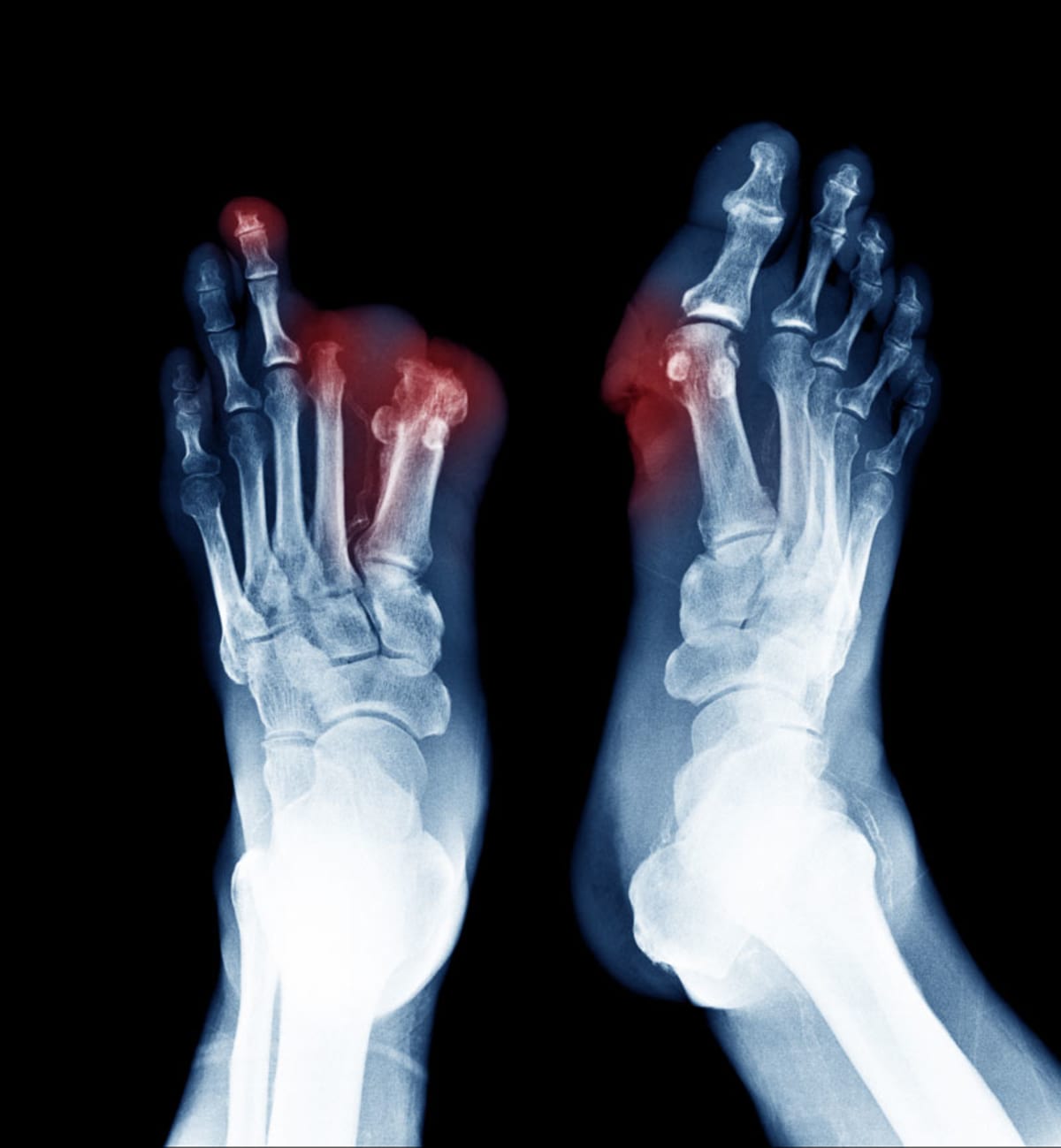
Peripheral Artery Disease (PAD) silently progresses in millions of Americans, often until irreversible damage occurs. With up to 12 million affected in the U.S. alone, the condition remains critically underdiagnosed, particularly among Black communities and low income populations. Traditional diagnostic methods, reliant on clinic visits and specialized equipment, create barriers that delay treatment until amputation becomes the only option. Now, a 10 second toe scan powered by artificial intelligence may rewrite the future of PAD detection.
What Happened
Researchers have developed a non invasive AI driven toe scan that analyzes blood flow patterns to detect PAD in under 10 seconds. Unlike the ankle brachial index (ABI) test, which requires specialized equipment and trained personnel, this innovation can be deployed in primary care offices, community health centers, and mobile clinics. Early clinical trials indicate high accuracy in flagging early stage PAD, a condition that currently leads to approximately 150,000 limb amputations annually in the U.S.
Why Public Health Officials Are Concerned
PAD’s underdiagnosis stems from systemic barriers in access to care. The ABI test, while effective, is not universally available, especially in rural areas or underserved urban communities. Delayed diagnosis disproportionately affects Black Americans, who experience PAD at twice the rate of white Americans and face higher amputation risks. Public health experts warn that without scalable screening solutions, the burden of PAD related complications will continue to rise, straining healthcare systems and worsening health disparities.
Symptoms or Risk Factors
PAD often progresses without noticeable symptoms in its early stages. However, key indicators include:
- Leg pain or cramping during walking (claudication)
- Slow healing wounds or sores on the legs or feet
- Coldness or numbness in the lower extremities
- Changes in skin color or hair loss on the legs
High risk groups include individuals with diabetes, a history of smoking, or those over age 65. Smokers, in particular, face a 400% higher risk of developing PAD due to accelerated plaque buildup in arteries.
Who May Be Affected
The burden of PAD falls heaviest on vulnerable populations:
- Diabetics: Nearly one third of adults over 50 with diabetes have PAD, yet many remain unaware of their condition.
- Smokers: Tobacco use significantly increases PAD risk, with long term smokers facing the highest vulnerability.
- Older adults: Individuals aged 65 and older are 20% more likely to develop PAD compared to younger adults.
- Underserved communities: Limited access to vascular specialists and preventive care delays diagnosis until severe complications arise.
Government or WHO Response
The U.S. Centers for Disease Control and Prevention (CDC) has identified PAD as a public health priority, emphasizing the need for early detection and intervention. The agency recommends routine screening for high risk individuals, including those with diabetes or a history of smoking. Globally, the World Health Organization (WHO) highlights PAD as a growing concern, particularly in low and middle income countries where access to diagnostic tools is limited. Both organizations advocate for the adoption of innovative, scalable screening technologies to address the gap in PAD care.
Prevention and Safety Guidance
Preventing PAD related complications starts with early detection and lifestyle modifications. The American Heart Association recommends the following steps for high risk individuals:
- Quit smoking: Tobacco cessation is the single most effective way to reduce PAD risk and slow its progression.
- Manage chronic conditions: Tight control of diabetes and hypertension can significantly lower the risk of PAD and its complications.
- Stay active: Regular exercise improves circulation and helps prevent plaque buildup in arteries.
- Monitor symptoms: Seek medical attention if experiencing leg pain, slow healing wounds, or other concerning symptoms.
For healthcare providers, integrating AI powered toe scans into routine screenings could streamline early detection and improve patient outcomes. The technology’s portability and speed make it ideal for deployment in community health settings, where access to traditional diagnostic tools is limited.
What Readers Should Know
PAD is a silent but serious condition that can lead to life altering complications if left untreated. While traditional diagnostic methods have left millions undiagnosed, the emergence of AI driven toe scans offers a promising solution. If you or a loved one falls into a high risk category, do not wait for symptoms to appear. Advocate for PAD screening at your next doctor’s visit and inquire about emerging technologies that could provide quick, accurate results. Early intervention can prevent amputations, improve quality of life, and reduce healthcare costs. For clinicians, adopting these innovations could mark a turning point in preventive vascular care.
Key Takeaways
- A 10 second AI powered toe scan could revolutionize PAD diagnosis by making early detection accessible and affordable.
- PAD disproportionately affects Black Americans and low income populations due to systemic barriers in healthcare access.
- Smokers and individuals with diabetes face the highest risk of PAD, with smoking increasing risk by 400%.
- Early symptoms of PAD, such as leg pain or slow healing wounds, are often dismissed, delaying diagnosis.
- Public health agencies like the CDC and WHO emphasize the need for scalable screening solutions to address PAD underdiagnosis.
Frequently Asked Questions
How does the AI toe scan detect PAD?
The AI toe scan analyzes blood flow patterns in the toes using near infrared or laser based technology. By detecting abnormalities in circulation, it can identify early signs of PAD with high accuracy, often in under 10 seconds.
Is the toe scan as accurate as the traditional ankle brachial index (ABI) test?
Early clinical trials suggest the AI toe scan is highly accurate in detecting PAD, though it may not replace the ABI test in all cases. The toe scan is designed to complement traditional methods by providing a quick, non invasive screening option, particularly in settings where ABI testing is not feasible.
Who should consider getting a PAD screening?
Individuals at high risk for PAD, including those over age 65, smokers, people with diabetes, and those with a history of cardiovascular disease, should consider getting screened. Early detection is critical for preventing complications such as limb amputations.
Can lifestyle changes reverse PAD?
While lifestyle changes cannot reverse existing PAD, they can slow its progression and reduce the risk of complications. Quitting smoking, managing diabetes and hypertension, and staying physically active are key strategies for improving circulation and preventing further plaque buildup.
Where can I access the AI toe scan?
The AI toe scan is still in the early stages of deployment. As of now, it is primarily available in select clinical trials and research settings. Patients interested in participating in trials or learning more about the technology should consult their healthcare provider or visit clinical trial databases such as ClinicalTrials.gov.
Medical Review: MedSense Editorial Board











DISCUSSION (0)
POST A COMMENT