Clinical Significance
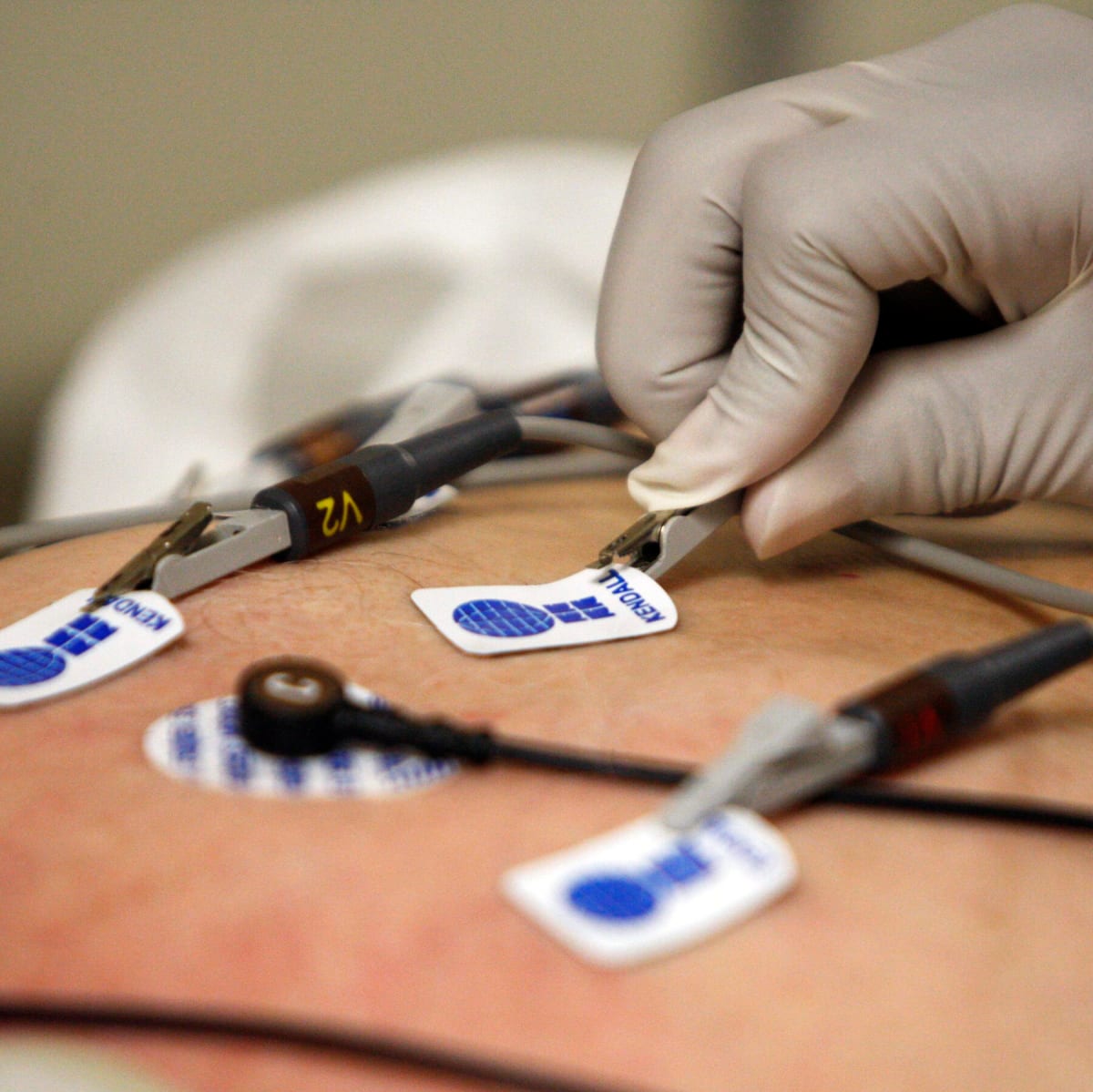
Electrocardiograms remain one of the most widely used diagnostic tools in cardiology, yet their interpretation is not infallible. Studies have shown that even board certified cardiologists can miss subtle but clinically significant patterns in ECG tracings, particularly in cases where symptoms mimic other conditions. The introduction of AI assisted analysis addresses a critical gap in diagnostic accuracy, offering a second layer of scrutiny that operates independently of human fatigue, bias, or oversight. This is especially valuable in primary care settings, where physicians may not have specialized cardiac training but still rely on ECGs for initial assessments.
Deep Dive and Research Findings
The AI program in question was developed using deep learning algorithms trained on millions of ECG recordings, including those from patients with confirmed cardiac conditions. Unlike traditional diagnostic software, which relies on predefined rules, this system identifies complex, non linear patterns that correlate with specific heart abnormalities. In clinical trials, the tool demonstrated a higher sensitivity for detecting early stage cardiomyopathies, conduction disorders, and even subclinical atrial fibrillation compared to standard physician interpretation. One notable case involved a patient whose recurrent shortness of breath was repeatedly attributed to asthma before the AI flagged an underlying arrhythmia that had gone unnoticed in multiple prior ECGs.
The decision to offer the program free of charge stems from a collaboration between academic researchers and a health technology nonprofit. The goal is to democratize access to advanced diagnostic support, particularly in low resource settings where specialist care may be scarce. The AI does not replace clinical judgment but rather serves as a decision support tool, highlighting potential areas of concern for further review. Early adopters report that the system integrates seamlessly with existing electronic health record systems, requiring no additional hardware or complex installation.
Future Outlook and Medical Implications
The widespread availability of this AI tool could have far reaching implications for cardiovascular care. By improving early detection rates, it may reduce the incidence of misdiagnosis and delayed treatment, particularly for conditions that present with vague or overlapping symptoms. For example, hypertrophic cardiomyopathy, a leading cause of sudden cardiac death in young athletes, often produces subtle ECG changes that can be easily dismissed as benign variants. AI assisted analysis could help identify these cases before they progress to critical stages.
Beyond individual patient outcomes, the tool could also contribute to population level health insights. Aggregated data from AI flagged ECGs may reveal previously unrecognized patterns in disease prevalence or risk factors, informing public health strategies. However, challenges remain, including the need for rigorous validation across diverse patient populations and the ethical considerations of AI driven diagnostics. Regulatory bodies are already working to establish guidelines for the clinical use of such tools, balancing innovation with patient safety.
Patient or Practitioner Guidance
For physicians, the AI tool represents an opportunity to enhance diagnostic confidence without adding significant time or cost to patient care. It is particularly useful in cases where symptoms are ambiguous, such as unexplained fatigue, dizziness, or shortness of breath. Clinicians are encouraged to use the tool as a supplementary resource, reviewing its findings alongside their own assessment and patient history. It is not intended to replace specialist referrals but rather to prompt earlier consideration of cardiac evaluations when warranted.
Patients, meanwhile, should be aware that AI assisted diagnostics are becoming more common in modern medicine. If an ECG is part of their evaluation, they can ask their provider whether AI analysis was used and how it influenced the interpretation. While the tool is designed to improve accuracy, it is not infallible, and patients should still advocate for follow up testing if their symptoms persist or worsen. Those with a family history of heart disease or unexplained cardiac events may benefit most from this additional layer of scrutiny.
Key Takeaways
- AI tools can detect subtle heart abnormalities in ECGs that human experts often miss, improving early diagnosis of conditions like cardiomyopathies and arrhythmias.
- The program will be available to physicians worldwide at no cost, making advanced diagnostic support accessible even in low resource settings.
- While the AI enhances diagnostic accuracy, it serves as a decision support tool rather than a replacement for clinical judgment or specialist care.
- Patients with ambiguous symptoms or a family history of heart disease may particularly benefit from AI assisted ECG analysis.
Frequently Asked Questions
How does the AI tool differ from traditional ECG interpretation?
Unlike standard ECG software, which follows predefined rules, the AI uses deep learning to identify complex, non linear patterns in the data. This allows it to detect subtle abnormalities that might be overlooked by human readers or conventional algorithms.
Is the AI tool replacing cardiologists or other specialists?
No. The tool is designed to assist physicians by flagging potential areas of concern for further review. It does not make diagnoses independently and should be used alongside clinical judgment and patient history.
Will patients need to pay extra for AI assisted ECG analysis?
The AI program itself will be available to physicians at no cost. However, the cost of an ECG or any follow up testing will depend on the healthcare provider and the patient's insurance coverage.
What types of heart conditions can the AI detect?
The tool has shown particular promise in identifying early stage cardiomyopathies, conduction disorders, and subclinical atrial fibrillation. It may also help detect other conditions that produce subtle or atypical ECG changes.
How accurate is the AI compared to human interpretation?
In clinical trials, the AI demonstrated higher sensitivity for detecting certain heart abnormalities compared to standard physician interpretation. However, its accuracy can vary depending on the specific condition and the quality of the ECG recording.
Medical Review: MedSense Editorial Board













DISCUSSION (0)
POST A COMMENT