Clinical Significance
Blood pressure monitoring is a cornerstone of cardiovascular disease prevention and management. Hypertension, often called the silent killer, affects over a billion people worldwide and is a leading risk factor for heart attacks, strokes, and kidney disease. Yet despite its prevalence, many individuals remain unaware of their condition due to infrequent or inconvenient monitoring. Wearable devices like the Oura Ring could bridge this gap by enabling continuous, unobtrusive tracking, potentially catching fluctuations that traditional spot checks might miss.
For clinicians, the shift toward cuffless monitoring presents both opportunities and challenges. Continuous data streams could provide richer insights into a patient’s cardiovascular health, revealing patterns tied to stress, sleep, or activity. However, the accuracy and reliability of these devices remain under scrutiny. Regulatory bodies, including the FDA, have yet to establish clear guidelines for cuffless blood pressure monitoring, leaving clinicians and patients to navigate a landscape where consumer tech and medical diagnostics increasingly overlap.
Deep Dive and Research Findings
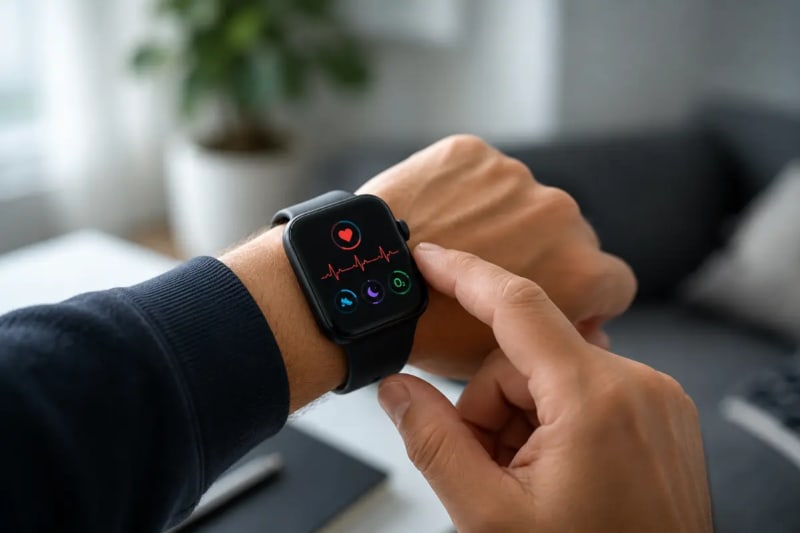
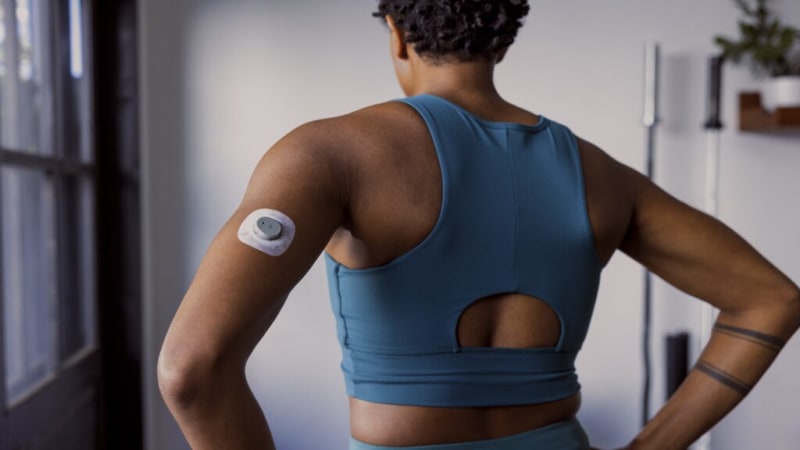
Oura’s foray into blood pressure monitoring follows years of research into the feasibility of cuffless measurements. The company’s smart ring, which already tracks heart rate, sleep stages, and body temperature, now aims to add blood pressure to its repertoire. While specifics about the technology remain limited, the approach likely relies on photoplethysmography (PPG), a method that uses light to measure blood volume changes in the vessels beneath the skin. PPG is already used in many wearable devices, including smartwatches, but its application for blood pressure monitoring is still evolving.
Early studies on cuffless blood pressure monitoring have shown promise, but challenges persist. A 2022 review published in Nature Digital Medicine highlighted that while PPG based devices can estimate blood pressure with reasonable accuracy, they often struggle with consistency across different skin tones, ages, and activity levels. Oura’s entry into this space will likely face similar hurdles, particularly in ensuring its algorithms are robust enough to account for these variables. The company has not yet disclosed whether its blood pressure feature will undergo clinical validation or seek regulatory clearance, a critical step for gaining trust in medical circles.
Future Outlook and Medical Implications
The integration of blood pressure monitoring into wearable devices like the Oura Ring could reshape preventive cardiology. For patients, the ability to track blood pressure seamlessly throughout the day could lead to earlier detection of hypertension and more personalized management strategies. For clinicians, the influx of continuous data could enable more dynamic treatment plans, adjusting medications or lifestyle recommendations based on real time trends rather than isolated readings.
However, the broader adoption of cuffless monitoring will depend on addressing key barriers. Regulatory clarity is chief among them. The FDA has approved a handful of cuffless blood pressure devices, but the pathway for wearables remains ambiguous. Additionally, the medical community will need to establish best practices for interpreting and acting on the vast amounts of data generated by these devices. Without standardized protocols, there is a risk of overdiagnosis, unnecessary anxiety, or misguided interventions based on inaccurate or misinterpreted readings.
Another consideration is equity. Wearable health tech, while increasingly popular, is not universally accessible. High costs, limited internet connectivity, and digital literacy gaps could exacerbate health disparities if these tools become the primary means of monitoring cardiovascular health. Ensuring that cuffless monitoring benefits all populations, not just those who can afford the latest gadgets, will be a critical challenge for the industry.
Patient or Practitioner Guidance
For patients interested in using wearable devices for blood pressure monitoring, experts recommend approaching these tools with cautious optimism. While they offer convenience and the potential for deeper insights, they are not a replacement for traditional clinical assessments. Patients should:
- Consult their healthcare provider before relying on wearable data for medical decisions.
- Use these devices as a complement to, not a substitute for, regular check ups and professional monitoring.
- Be aware of the limitations of cuffless monitoring, including potential inaccuracies and the lack of standardized validation for many consumer devices.
- Monitor trends over time rather than reacting to single readings, as blood pressure naturally fluctuates throughout the day.
For healthcare practitioners, the rise of wearable blood pressure monitoring presents an opportunity to engage patients in their own care. However, it also requires a nuanced approach. Clinicians should:
- Familiarize themselves with the capabilities and limitations of popular wearable devices, including how their data compares to traditional methods.
- Encourage patients to share their wearable data during visits, but interpret it within the broader context of their health history and clinical findings.
- Stay informed about emerging research and regulatory developments in cuffless monitoring to provide evidence based guidance.
- Advocate for standardized validation processes to ensure that wearable devices meet clinical accuracy standards.
As the wearable health tech landscape continues to evolve, collaboration between device manufacturers, regulators, and the medical community will be essential to ensure these tools deliver on their promise without compromising patient safety or care quality.
Key Takeaways
- Oura Ring’s entry into cuffless blood pressure monitoring reflects the growing demand for accessible, continuous health tracking tools.
- While promising, cuffless monitoring faces challenges in accuracy, regulatory clarity, and equitable access, requiring cautious adoption by patients and clinicians.
- Wearable devices like the Oura Ring could transform preventive cardiology by enabling real time insights, but standardized validation and clinical integration remain critical hurdles.
- Patients should use wearable blood pressure monitors as a complement to, not a replacement for, traditional clinical assessments and professional guidance.
Frequently Asked Questions
How does cuffless blood pressure monitoring work?
Cuffless blood pressure monitoring typically relies on photoplethysmography (PPG), a technology that uses light to detect blood volume changes in the vessels beneath the skin. Algorithms then estimate blood pressure based on these measurements. However, the accuracy of these estimates can vary depending on factors like skin tone, movement, and device calibration.
Are wearable blood pressure monitors as accurate as traditional cuffs?
Currently, traditional blood pressure cuffs remain the gold standard for accuracy in clinical settings. While some wearable devices have shown promise, many lack rigorous clinical validation, and their readings can be influenced by factors like fit, movement, and individual physiology. Patients should not rely solely on wearable data for medical decisions without consulting a healthcare provider.
What are the benefits of continuous blood pressure monitoring?
Continuous monitoring can provide a more comprehensive picture of a person’s blood pressure trends throughout the day, capturing fluctuations that might be missed by occasional spot checks. This can help identify patterns related to stress, sleep, or activity, potentially leading to earlier detection of hypertension and more personalized management strategies.
What should patients consider before using a wearable blood pressure monitor?
Patients should consider the device’s accuracy, validation status, and whether it has been cleared by regulatory bodies like the FDA. It’s also important to understand that wearable monitors are not a substitute for professional medical advice or regular check ups. Consulting a healthcare provider before using such devices is recommended to ensure they align with individual health needs.
How might wearable blood pressure monitors impact healthcare in the future?
If validated and integrated effectively, wearable blood pressure monitors could revolutionize preventive cardiology by enabling real time, personalized health insights. They may help clinicians tailor treatment plans based on continuous data rather than isolated readings. However, widespread adoption will depend on addressing accuracy concerns, regulatory clarity, and ensuring equitable access to these technologies.
Medical Review: MedSense Editorial Board










DISCUSSION (0)
POST A COMMENT