Clinical Significance
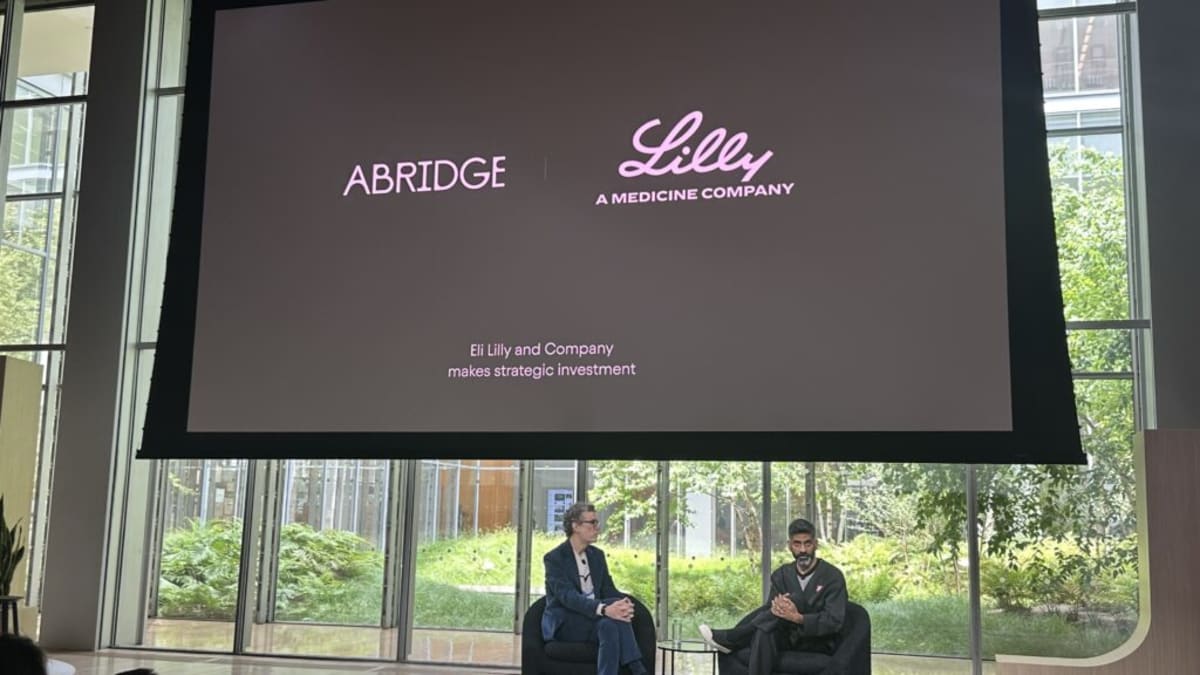
Abridge, a pioneer in AI powered clinical documentation, has positioned itself at the intersection of healthcare and cutting edge technology. The partnerships with Nvidia and Eli Lilly are not merely business deals but a strategic alignment to address one of healthcare’s most pressing challenges: the administrative burden on clinicians. Studies suggest that physicians spend nearly twice as much time on documentation as they do on direct patient care, contributing to widespread burnout and reduced efficiency in healthcare systems.
The collaboration with Nvidia, a leader in AI computing infrastructure, is expected to accelerate the development of Abridge’s natural language processing capabilities. This could enable real time, accurate transcription of patient clinician interactions, reducing the time spent on manual note taking. Meanwhile, the partnership with Eli Lilly, a global leader in pharmaceuticals, hints at broader applications of AI in drug development, clinical trials, and patient monitoring.
Deep Dive and Research Findings
Abridge’s technology leverages advanced AI models to convert spoken language into structured clinical notes, a process that traditionally relies on manual input or outdated transcription services. By integrating Nvidia’s AI platforms, Abridge aims to enhance the speed and accuracy of its documentation tools, making them more reliable for high stakes medical environments. Nvidia’s expertise in GPU accelerated computing could also enable Abridge to scale its solutions across larger healthcare networks, including hospitals and research institutions.
The partnership with Eli Lilly introduces a new dimension to Abridge’s capabilities. While the specifics of the collaboration remain under wraps, industry analysts speculate that the integration of AI driven documentation could streamline clinical trial processes, improve adherence to treatment protocols, and enhance real world data collection. For a pharmaceutical company like Lilly, this could translate into faster drug development cycles and more precise patient outcomes.
Future Outlook and Medical Implications
The healthcare industry has long grappled with the inefficiencies of electronic health records and documentation systems. Abridge’s partnerships with Nvidia and Eli Lilly could mark a turning point in how AI is integrated into clinical workflows. If successful, these collaborations may set a new standard for AI driven documentation, reducing the administrative load on clinicians and allowing them to focus more on patient care.
For patients, the implications are equally promising. More accurate and timely documentation could lead to better informed treatment decisions, fewer medical errors, and improved continuity of care. Additionally, the potential for AI to assist in clinical trials and drug development could accelerate the availability of new therapies, particularly in areas with unmet medical needs.
Patient or Practitioner Guidance
For healthcare providers, the adoption of AI driven documentation tools like those developed by Abridge could offer a tangible solution to the growing problem of clinician burnout. By automating routine tasks such as note taking and data entry, these tools free up valuable time for patient interaction and clinical decision making. However, practitioners should remain vigilant about the accuracy and reliability of AI generated notes, ensuring they align with their professional judgment and patient needs.
Patients, on the other hand, may benefit from more thorough and accessible medical records. AI driven documentation could improve communication between providers, reduce redundant testing, and enhance the overall quality of care. Patients should stay informed about how their data is being used and advocate for transparency in AI driven healthcare tools.
Key Takeaways
- Abridge has partnered with Nvidia and Eli Lilly to advance AI driven clinical documentation, addressing a critical need in healthcare workflows.
- The collaborations aim to reduce clinician burnout by automating administrative tasks, allowing more time for patient care.
- These partnerships could accelerate drug development and improve clinical trial processes through enhanced data collection and analysis.
- AI driven documentation tools may lead to more accurate medical records, better informed treatment decisions, and improved patient outcomes.
Frequently Asked Questions
What is Abridge, and how does its technology work?
Abridge is a healthcare technology company that develops AI powered tools for clinical documentation. Its technology uses natural language processing to convert spoken conversations between clinicians and patients into structured, accurate medical notes, reducing the need for manual input.
Why are partnerships with Nvidia and Eli Lilly significant for Abridge?
Nvidia’s expertise in AI computing infrastructure can enhance the speed and scalability of Abridge’s documentation tools, while Eli Lilly’s involvement suggests potential applications in pharmaceutical research, clinical trials, and patient monitoring.
How could AI driven documentation benefit healthcare providers?
AI driven documentation can significantly reduce the administrative burden on clinicians, allowing them to spend more time on direct patient care. It can also improve the accuracy and accessibility of medical records, leading to better informed treatment decisions.
What are the potential risks or challenges of AI in clinical documentation?
While AI driven tools offer many benefits, challenges include ensuring the accuracy of AI generated notes, protecting patient data privacy, and integrating these tools seamlessly into existing healthcare workflows. Clinicians must also verify that AI generated documentation aligns with their professional judgment.
Medical Review: MedSense Editorial Board












DISCUSSION (0)
POST A COMMENT