
What Happened
The Nigerian Medical Association NMA in Abia State has issued a 24 hour ultimatum to security agencies and the governments of Abia and Imo States, demanding the immediate release of Dr Bonaventure Aguocha, a surgeon who was kidnapped in recent days. The ultimatum, contained in a communiqué signed by NMA Chairman Dr Ezenwa Ezuruike and Secretary Dr Clement, warns of a statewide strike if the surgeon is not freed within the stipulated time. The association has not disclosed the exact circumstances of the abduction, but local reports suggest it occurred while Dr Aguocha was traveling between medical facilities.
Why Public Health Officials Are Concerned
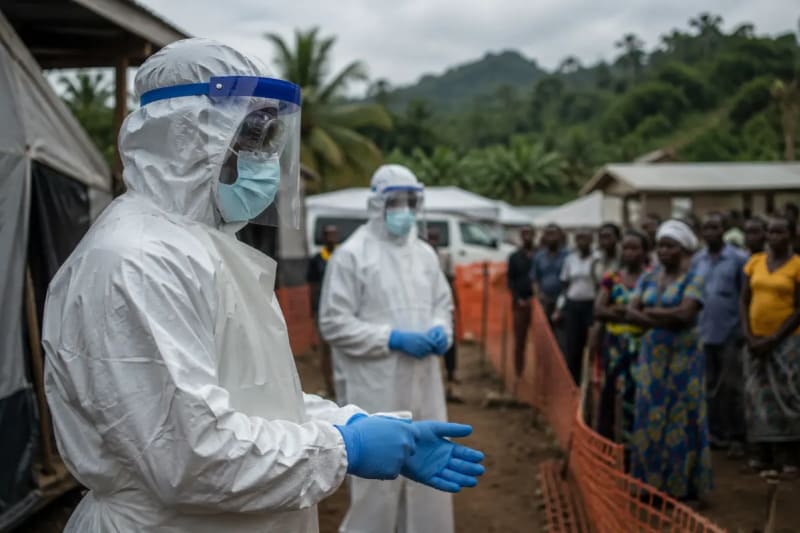
The threatened strike comes at a critical time for Abia State, where healthcare infrastructure is already under significant strain due to funding shortages, staffing gaps, and the lingering effects of the COVID 19 pandemic. A walkout by doctors would disrupt emergency services, elective surgeries, and outpatient care, potentially leaving thousands of patients without access to medical attention. Public health experts warn that prolonged disruptions could lead to preventable complications, delayed diagnoses, and increased mortality rates, particularly among vulnerable populations such as children, the elderly, and those with chronic illnesses.
The crisis also highlights a disturbing trend of violence against healthcare workers in Nigeria. According to the World Health Organization, attacks on medical personnel have surged in recent years, with kidnappings, armed robberies, and assaults becoming increasingly common. Healthcare workers, who are often seen as high value targets due to their perceived financial status, are frequently abducted for ransom, creating a climate of fear that discourages professionals from working in high risk areas. This exodus of skilled medical staff further weakens an already fragile healthcare system.
Who May Be Affected
The immediate impact of the strike would be felt by patients in Abia and Imo States, where Dr Aguocha practiced. Hospitals and clinics in the region rely on a limited number of specialists, and the loss of even one surgeon can create significant bottlenecks in care. Emergency departments, surgical wards, and maternal health services are particularly vulnerable to disruptions, as these areas require continuous, specialized attention. Additionally, medical students and junior doctors who depend on senior colleagues for training and mentorship could face setbacks in their professional development.
Beyond the immediate region, the crisis has broader implications for Nigeria’s healthcare workforce. The NMA’s ultimatum sends a clear message to policymakers and security agencies that medical professionals are no longer willing to tolerate the lack of protection. If the strike proceeds, it could inspire similar actions in other states, further destabilizing healthcare delivery across the country. The situation also risks deterring young doctors from pursuing careers in Nigeria, exacerbating the brain drain that has already seen thousands of medical professionals emigrate to countries with safer working conditions.
Government and Security Response
As of the time of reporting, there has been no public response from the Abia or Imo State governments regarding the ultimatum. Security agencies, including the police and military, have not provided updates on efforts to locate and rescue Dr Aguocha. The NMA has called on the federal government to intervene, urging President Bola Tinubu to prioritize the safety of healthcare workers and deploy additional security resources to high risk areas.
In the past, Nigerian authorities have responded to similar crises with promises of increased security, but critics argue that these measures have been insufficient. The NMA and other medical associations have repeatedly called for the establishment of a dedicated security task force to protect healthcare workers, as well as stricter penalties for those who target medical personnel. To date, however, these demands have not been fully addressed.
Prevention and Safety Guidance
For healthcare workers operating in high risk areas, the NMA and international health organizations recommend several precautions to reduce the risk of abduction or violence. These include:
- Avoiding travel during late hours or through isolated routes.
- Varying daily routines to reduce predictability.
- Installing security systems in homes and workplaces, such as alarms and surveillance cameras.
- Coordinating with local security agencies to arrange escorts for high risk individuals.
- Participating in security training programs to recognize and respond to potential threats.
Hospitals and clinics are also advised to implement emergency protocols for responding to abductions or attacks, including rapid communication systems to alert authorities and mobilize support from the medical community. The NMA has urged healthcare facilities to establish crisis teams to monitor security threats and coordinate responses.
What Readers Should Know
The abduction of Dr Bonaventure Aguocha is not an isolated incident but part of a broader pattern of violence against healthcare workers in Nigeria. The NMA’s ultimatum reflects the growing frustration and fear among medical professionals who feel abandoned by authorities. If the strike proceeds, patients in Abia and Imo States should prepare for potential disruptions in medical services and seek alternative care options where possible. The public is also encouraged to support calls for improved security for healthcare workers, as the safety of medical personnel directly impacts the quality and availability of care for all Nigerians.
For those in affected regions, it is crucial to stay informed about developments through official channels, such as the NMA’s communications or local health authorities. Patients with scheduled appointments or surgeries should contact their healthcare providers for updates on service availability. In the event of a strike, emergency services may remain operational, but delays and reduced capacity should be expected.
Key Takeaways
- The Nigerian Medical Association in Abia State has issued a 24 hour ultimatum for the release of kidnapped surgeon Dr Bonaventure Aguocha, threatening a statewide strike if demands are not met.
- A strike by doctors would disrupt emergency services, elective surgeries, and outpatient care, affecting thousands of patients in Abia and Imo States.
- The crisis highlights the growing threat of violence against healthcare workers in Nigeria, where kidnappings and attacks have become alarmingly common.
- Healthcare workers in high risk areas are advised to take precautions, such as avoiding predictable routines and coordinating with security agencies for protection.
- Patients in affected regions should prepare for potential disruptions and seek alternative care options if the strike proceeds.
Frequently Asked Questions
Why are Abia doctors threatening to strike?
The doctors are threatening to strike to demand the immediate release of their kidnapped colleague, Dr Bonaventure Aguocha. The Nigerian Medical Association in Abia State has given security agencies and state governments a 24 hour ultimatum to secure his freedom, warning of a statewide walkout if their demands are not met.
How would a strike by Abia doctors affect patients?
A strike would disrupt emergency services, elective surgeries, and outpatient care, leading to delays in treatment and potential complications for patients. Hospitals and clinics in Abia and Imo States could face severe staffing shortages, particularly in specialized areas like surgery and maternal health.
What is being done to protect healthcare workers in Nigeria?
The Nigerian Medical Association and other medical groups have called for the establishment of a dedicated security task force to protect healthcare workers, as well as stricter penalties for those who target medical personnel. However, these demands have not yet been fully addressed by authorities. Healthcare workers are advised to take personal precautions, such as varying travel routes and coordinating with security agencies.
What should patients do if the strike proceeds?
Patients should stay informed through official channels, such as the NMA or local health authorities. Those with scheduled appointments or surgeries should contact their healthcare providers for updates. Emergency services may remain operational, but delays and reduced capacity should be expected. Patients are encouraged to seek alternative care options where possible.
Is this the first time healthcare workers in Nigeria have been targeted?
No, violence against healthcare workers in Nigeria has been a growing concern in recent years. Kidnappings, armed robberies, and assaults on medical personnel have become increasingly common, particularly in high risk areas. The World Health Organization has documented a surge in attacks on healthcare workers globally, with Nigeria being one of the most affected countries.
Medical Review: MedSense Editorial Board









DISCUSSION (0)
POST A COMMENT