
What Happened
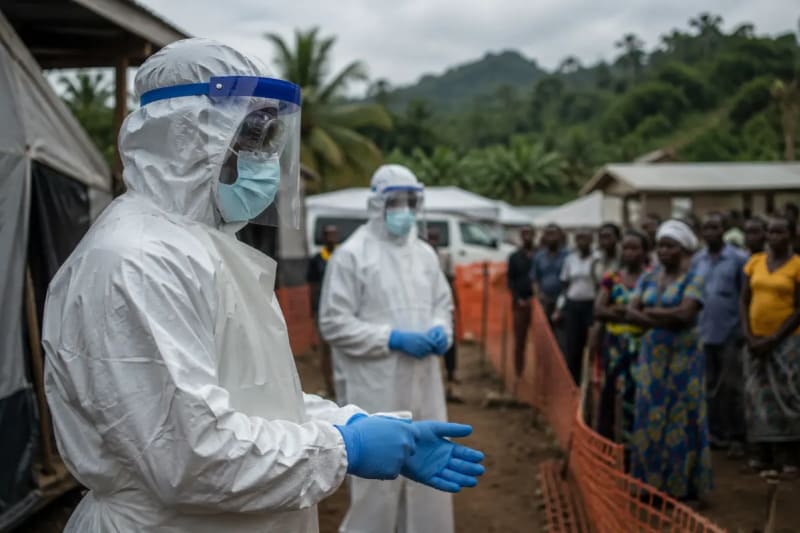
The U.S. is facing renewed global health threats, from the Ebola outbreak in Central Africa to the unexpected appearance of hantavirus on a cruise ship. These incidents have revealed vulnerabilities in America’s ability to respond swiftly and effectively. Former U.S. Senators Tom Daschle and Bill Frist, alongside health policy expert Anand Parekh, warn that recent funding cuts to the Centers for Disease Control and Prevention (CDC) and the U.S. Agency for International Development (USAID), along with the U.S. withdrawal from key World Health Organization (WHO) initiatives, have eroded critical preparedness systems. The result: delayed investigations, weakened supply chains, and a loss of trust in outbreak response protocols.
Why Public Health Officials Are Concerned
Global health security is not just about altruism, it is a matter of national security. The authors highlight that infectious diseases can destabilize regions, disrupt trade, and even spark conflicts. The 2014 2016 Ebola epidemic in West Africa, for example, cost the global economy an estimated $53 billion in lost GDP. The U.S. cannot afford to wait until an outbreak reaches its borders to act. Yet, the current administration’s “America First Global Health Strategy” has faced criticism for prioritizing bilateral agreements over long term capacity building, potentially leaving partner countries ill equipped to handle future threats.
Public health experts also warn that the dismantling of early detection systems, such as those previously supported by USAID, has created blind spots in global surveillance. The delayed response to hantavirus on a cruise ship underscores how quickly localized outbreaks can escalate into international incidents when warning systems fail.
Government or WHO Response
The U.S. has taken some steps to address the current Ebola outbreak, but critics argue these efforts are reactive rather than proactive. The White House has yet to appoint a pandemic preparedness coordinator, a role that was eliminated in 2025. Meanwhile, Congress has proposed a 2027 budget that allocates $8.9 billion for global health security, an increase from the president’s request but still below 2026 funding levels. The House Appropriations Committee has also introduced a Labor/HHS/Education bill aimed at bolstering CDC’s global health programs, but its passage remains uncertain.
The authors urge Congress to hold oversight hearings to assess the impact of recent funding cuts and policy shifts. They also call for a more transparent and data driven approach to reforming global health institutions, rather than abrupt withdrawals that undermine decades of progress.
Prevention and Safety Guidance
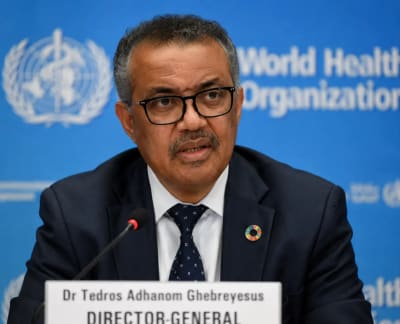
For policymakers, the path forward is clear: reinvest in global health infrastructure, restore early warning systems, and strengthen partnerships with international organizations like the WHO. The authors emphasize that these measures are not just about preventing the next pandemic, they are about protecting America’s economic and strategic interests. For the public, the message is equally important: global health funding is a fraction of the federal budget, yet its impact on national security is disproportionate. Misinformation about foreign aid spending, where the public overestimates its share of the budget by more than 25 times, has clouded the debate.
What Readers Should Know
Strategic health diplomacy is not a partisan issue. Programs like PEPFAR have demonstrated that global health investments yield measurable returns, from saving lives to stabilizing fragile states. The current Ebola and hantavirus outbreaks serve as a reminder that the U.S. cannot afford to retreat from its leadership role in global health. Congress has the opportunity to reverse course by restoring funding, re engaging with international partners, and ensuring that America remains prepared for the next inevitable health threat.
For individuals, staying informed about global health developments and advocating for evidence based policies can make a difference. The stakes are high, not just for those directly affected by outbreaks, but for the security and prosperity of the U.S. itself.
Key Takeaways
- Global health threats like Ebola and hantavirus highlight the need for robust U.S. preparedness and international cooperation.
- Strategic health diplomacy, exemplified by PEPFAR, advances U.S. national security by stabilizing regions, preventing pandemics, and enhancing global trust.
- Recent funding cuts and policy shifts have weakened early detection systems, leaving the U.S. more vulnerable to outbreaks.
- Congress must restore global health funding, re engage with international partners, and prioritize long term capacity building over short term bilateral agreements.
Frequently Asked Questions
What is strategic health diplomacy?
Strategic health diplomacy refers to the use of global health initiatives as a tool to advance a nation’s broader strategic interests, including national security, economic stability, and diplomatic influence. Programs like PEPFAR demonstrate how investments in global health can save lives while also promoting political stability and positive perceptions of the U.S. abroad.
How does global health funding benefit the U.S.?
Global health funding helps prevent pandemics before they reach U.S. shores, stabilizes economies in partner countries, and reduces political instability that could threaten American interests. It also strengthens diplomatic relationships and enhances the U.S.’s global reputation. Despite public misconceptions, global health spending accounts for less than 1% of the federal budget.
What are the risks of reducing global health investments?
Reducing global health investments weakens early detection and response systems, leaving the U.S. and the world more vulnerable to outbreaks. It can also erode trust in international partnerships, disrupt supply chains, and delay critical epidemiological investigations. The dismantling of previously established protocols, such as those for Ebola detection, has already hampered the U.S. response to recent health threats.
What can Congress do to improve global health preparedness?
Congress can take three key steps: (1) hold oversight hearings to assess U.S. readiness and the impact of recent funding cuts, (2) refine and strengthen the administration’s global health strategy to ensure it prioritizes long term capacity building, and (3) protect and increase global health investments through the appropriations process. Restoring funding to CDC and USAID, as well as re engaging with the WHO, are critical priorities.
Medical Review: MedSense Editorial Board












DISCUSSION (0)
POST A COMMENT