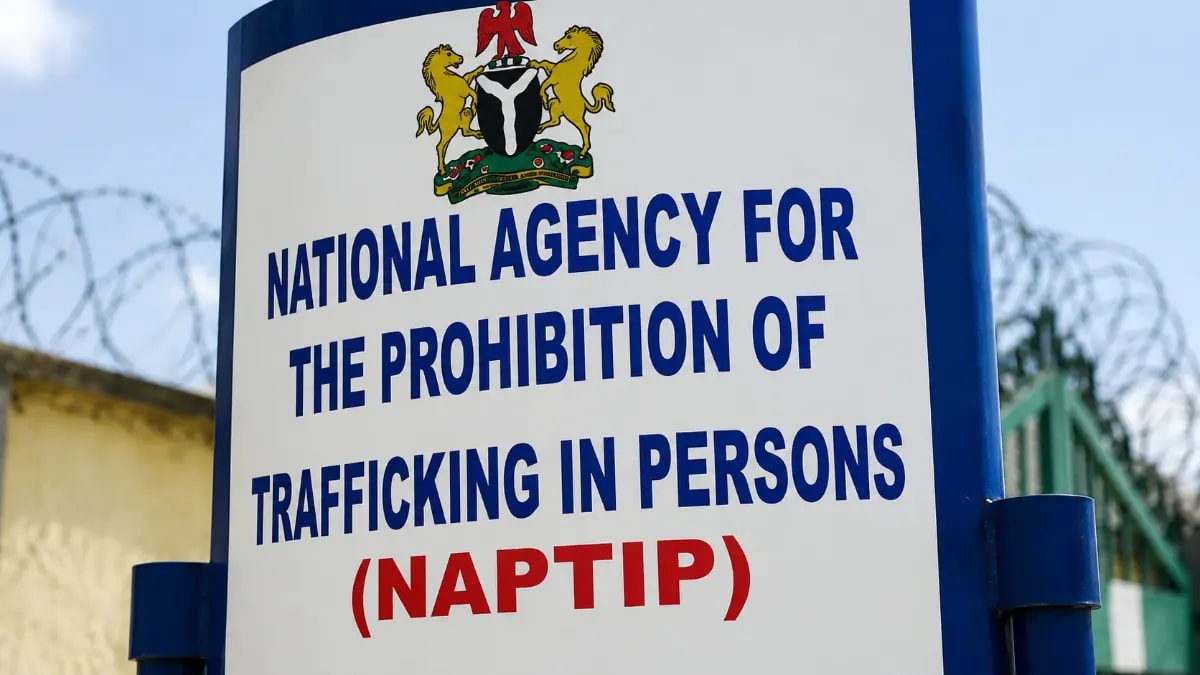
Nigeria's National Agency for the Prohibition of Trafficking in Persons (NAPTIP) has secured more than 20 convictions for sexual and gender based violence (SGBV) offenses and rescued over 3,000 victims in 2026. The agency's Head of Press and Public Relations, Vincent Adekoye, disclosed these figures in an interview, highlighting progress in combating SGBV and human trafficking despite persistent challenges. The report underscores Nigeria's ongoing efforts to strengthen legal frameworks and victim support systems.
Latest Developments
Nigeria's National Agency for the Prohibition of Trafficking in Persons (NAPTIP) has secured over 20 convictions for sexual and gender based violence (SGBV) offenses while rescuing more than 3,000 victims in 2026. Vincent Adekoye, Head of Press and Public Relations at NAPTIP, revealed these figures during an interview with the News Agency of Nigeria, marking a significant milestone in the country's fight against human trafficking and SGBV.
The agency's efforts reflect a broader push to address systemic vulnerabilities that expose women, children, and other at risk groups to exploitation. While the numbers demonstrate progress, they also highlight the scale of the crisis, with thousands still requiring intervention and support.
Why This Matters
The report comes at a critical time as Nigeria grapples with persistent challenges in combating SGBV and human trafficking. These crimes disproportionately affect women and children, often leaving survivors with long term physical, psychological, and economic consequences. The 20 convictions secured by NAPTIP signal a strengthening of legal mechanisms to hold perpetrators accountable, though advocates argue that prosecution rates remain low relative to the prevalence of such crimes.
Rescuing 3,000 victims underscores the agency's operational capacity but also raises questions about the resources needed to provide adequate rehabilitation and reintegration support. Many survivors face stigma, lack of access to healthcare, and economic instability, which can hinder their recovery and increase vulnerability to re victimization.
Public Health and Social Impact
SGBV and human trafficking are recognized as major public health concerns by global organizations, including the World Health Organization (WHO) and the United Nations. These crimes contribute to a range of health issues, from sexually transmitted infections to mental health disorders such as depression, anxiety, and post traumatic stress disorder (PTSD). The psychological toll can extend to families and communities, perpetuating cycles of violence and poverty.
NAPTIP's work aligns with Nigeria's commitments under international frameworks, such as the UN Sustainable Development Goals (SDGs), particularly Goal 5 on gender equality and Goal 16 on peace, justice, and strong institutions. However, experts note that sustained progress requires collaboration between government agencies, civil society organizations, and international partners to address root causes, including poverty, lack of education, and weak enforcement of existing laws.
Response and Challenges
While NAPTIP's achievements are notable, the agency continues to face operational and systemic challenges. Limited funding, understaffing, and gaps in inter agency coordination can impede efforts to investigate cases, protect victims, and secure convictions. Additionally, cultural norms and societal stigma often discourage survivors from reporting abuses, further complicating enforcement efforts.
Advocacy groups have called for increased investment in prevention programs, including community education and economic empowerment initiatives for at risk populations. Strengthening partnerships with healthcare providers, law enforcement, and judicial systems is also critical to ensuring survivors receive timely and comprehensive support.
What's Next
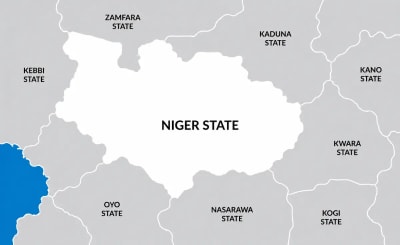
NAPTIP has indicated plans to expand its outreach and enforcement activities in 2027, with a focus on high risk states and border communities where trafficking networks are prevalent. The agency is also working to enhance its data collection systems to better track trends and inform policy responses. Collaboration with international organizations, such as the International Organization for Migration (IOM) and UNODC, is expected to bolster these efforts.
For survivors, the path to recovery remains fraught with challenges. Continued advocacy for improved access to healthcare, legal aid, and economic opportunities will be essential to breaking the cycle of violence and exploitation.
Key Takeaways
- NAPTIP secured over 20 SGBV convictions and rescued 3,000 victims in 2026, marking progress in Nigeria's fight against human trafficking and gender based violence.
- SGBV and human trafficking have severe public health and social consequences, including long term physical and mental health issues for survivors.
- Despite achievements, systemic challenges such as limited funding, stigma, and weak enforcement hinder efforts to combat these crimes effectively.
Frequently Asked Questions
What is NAPTIP?
NAPTIP is Nigeria's National Agency for the Prohibition of Trafficking in Persons, responsible for combating human trafficking, sexual and gender based violence, and related crimes.
How many victims were rescued by NAPTIP in 2026?
NAPTIP rescued over 3,000 victims of sexual and gender based violence and human trafficking in 2026.
What are the main challenges in combating SGBV in Nigeria?
Key challenges include limited funding, societal stigma, weak enforcement of laws, and gaps in inter agency coordination, which hinder victim support and prosecution efforts.
Published by O. Ayodeji | Review by MedSense Editorial Board













DISCUSSION (0)
POST A COMMENT