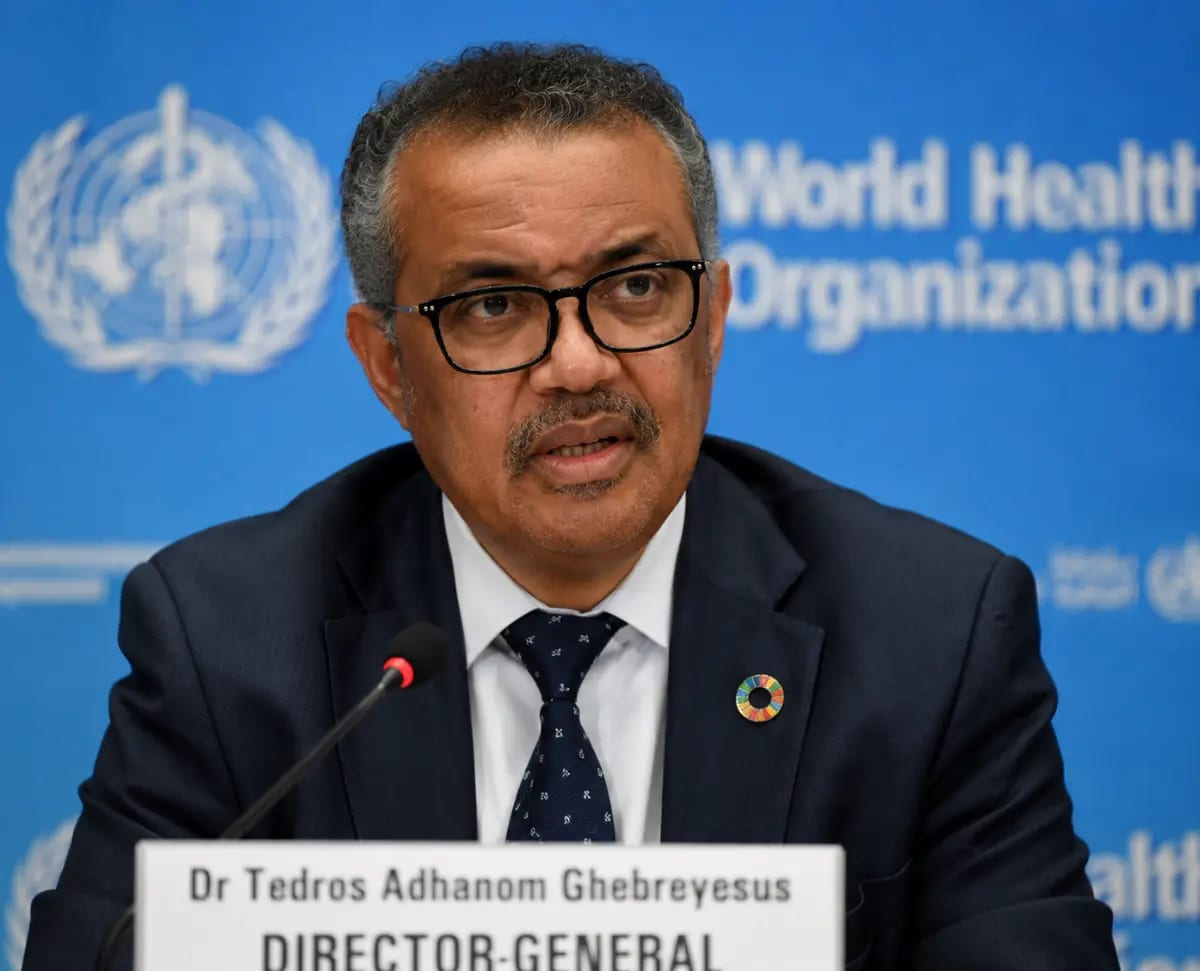
The Democratic Republic of the Congo and the World Health Organization are advancing discussions to launch a Phase 3 clinical trial for Ebola vaccines. The trial, designed as a multi armed study, aims to evaluate the efficacy and safety of multiple vaccine candidates in a real world setting. This development comes as part of broader efforts to strengthen preparedness and response to Ebola outbreaks in the region.
Latest Developments
The Democratic Republic of the Congo and the World Health Organization are accelerating plans to initiate a Phase 3 clinical trial for Ebola vaccines. Officials confirmed that discussions are underway to expedite the trial, which will evaluate multiple vaccine candidates simultaneously. The trial is expected to provide critical data on the effectiveness and safety of these vaccines in a high risk setting.
The DRC has faced recurrent Ebola outbreaks, with the most recent resurgence highlighting the urgent need for robust medical interventions. The upcoming trial is part of a coordinated response to enhance outbreak preparedness and reduce transmission rates in affected communities.
Why This Matters
Ebola remains a significant public health threat in the DRC and neighboring regions. The virus has caused thousands of deaths over the past decade, with outbreaks often exacerbated by challenges such as limited healthcare infrastructure, conflict, and population displacement. A successful vaccine trial could provide a vital tool to curb future outbreaks and save lives.
The multi armed design of the trial allows researchers to compare different vaccine candidates under similar conditions. This approach not only accelerates the evaluation process but also increases the likelihood of identifying the most effective vaccine for widespread use. The WHO has emphasized that the trial will adhere to strict ethical and scientific standards to ensure reliable results.
Public Health Impact
The trial is expected to enroll thousands of participants, including healthcare workers and individuals at high risk of exposure. By involving local communities, the study aims to build trust and ensure that findings are applicable to the populations most affected by Ebola. Successful outcomes could lead to the approval and deployment of vaccines in outbreak zones, significantly reducing mortality rates.
In addition to its immediate benefits, the trial could set a precedent for future vaccine research in outbreak settings. The DRC has been a focal point for Ebola vaccine development, with previous trials, such as those for the rVSV ZEBOV vaccine, demonstrating the feasibility of conducting research during active outbreaks. This latest effort builds on those successes, aiming to refine and expand vaccine options.
What's Next
Officials are finalizing logistical and regulatory details to ensure a smooth launch of the trial. The WHO is working closely with the DRC government, local health authorities, and international partners to address challenges such as vaccine storage, distribution, and community engagement. If all goes as planned, the trial could begin within the next few months, with preliminary results expected within a year.
Public health experts have stressed the importance of transparency and collaboration throughout the trial process. Engaging local leaders and communities will be critical to overcoming vaccine hesitancy and ensuring high participation rates. The WHO has also highlighted the need for sustained funding and support to maintain momentum in the fight against Ebola.
Key Takeaways
- The DRC and WHO are advancing plans for a Phase 3 Ebola vaccine trial to evaluate multiple candidates simultaneously.
- The trial aims to strengthen outbreak preparedness and reduce transmission in high risk communities.
- Successful outcomes could lead to vaccine approval and deployment, setting a precedent for future research in outbreak settings.
Frequently Asked Questions
What is the goal of the Ebola vaccine trial in the DRC?
The trial aims to evaluate the efficacy and safety of multiple Ebola vaccine candidates in a real world setting to identify the most effective option for widespread use.
Who will participate in the trial?
The trial is expected to enroll thousands of participants, including healthcare workers and individuals at high risk of Ebola exposure in affected communities.
When will the trial begin?
Officials are finalizing details, but the trial could launch within the next few months if logistical and regulatory challenges are addressed.
Published by O. Ayodeji | Review by MedSense Editorial Board










DISCUSSION (0)
POST A COMMENT