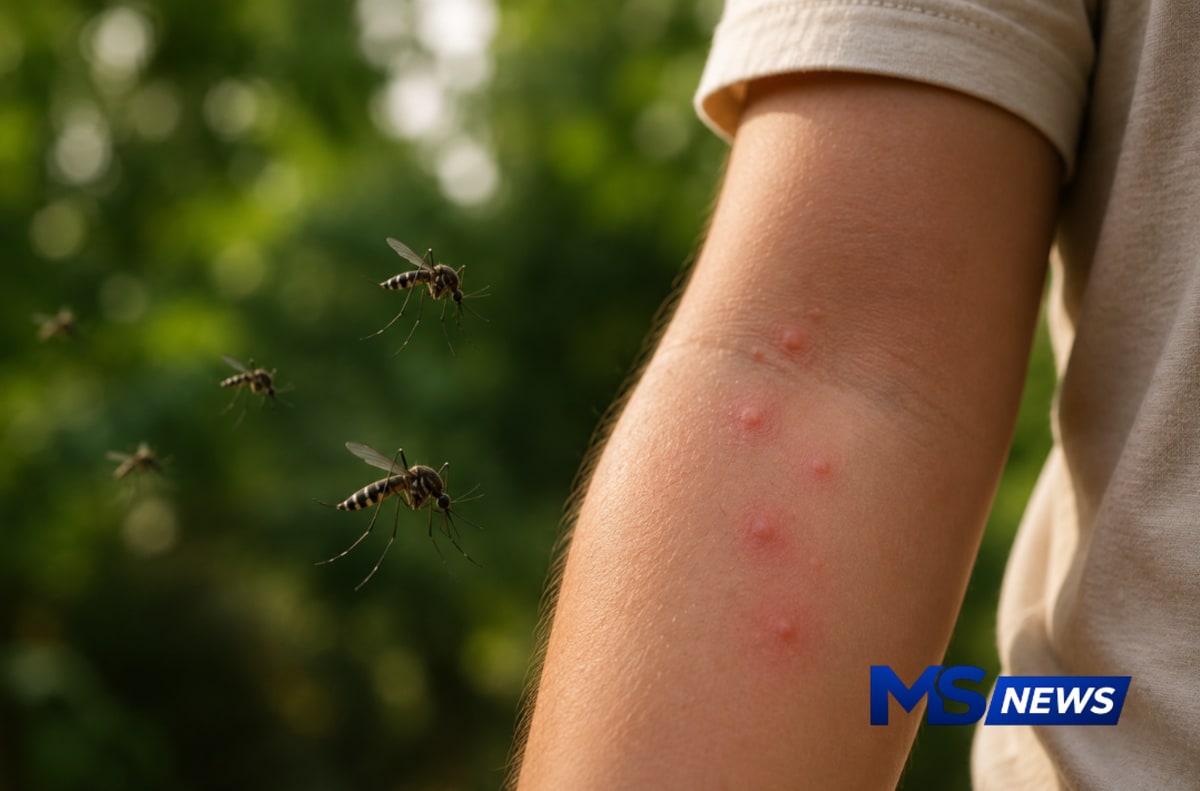
For years, the question of why mosquitoes seem to favor some people over others has puzzled scientists and frustrated those who end up covered in itchy welts. New research is now revealing that the answer lies in the complex cocktail of odorous compounds humans emit, with some individuals producing chemicals that act like a dinner bell for these persistent insects. While the exact mechanisms remain under investigation, the findings could pave the way for more effective repellents and personalized bite prevention strategies, offering relief to those who feel like walking mosquito magnets every summer.
Clinical Significance
Mosquitoes are not just a nuisance, they are vectors for some of the world’s most devastating diseases, including malaria, dengue, Zika, and West Nile virus. Understanding why certain individuals attract more bites could have significant public health implications. If scientists can pinpoint the specific compounds that make some people more appealing to mosquitoes, it may lead to targeted interventions, such as repellents that block these attractants or even genetic or microbiome based solutions to reduce bite risk.
Deep Dive and Research Findings
Humans emit hundreds of volatile organic compounds through their skin, breath, and sweat, creating a unique olfactory signature. Research published in Cell and other leading journals has identified several key compounds that appear to play a role in mosquito attraction. Among them are carboxylic acids, which are produced by skin microbes breaking down sebum, and lactic acid, a byproduct of exercise and metabolism. Studies have shown that individuals with higher levels of these compounds tend to be more attractive to mosquitoes, particularly the species that transmit diseases like malaria and yellow fever.
One groundbreaking study conducted at the Rockefeller University found that people who are highly attractive to mosquitoes produce significantly more of these carboxylic acids than those who are less appealing to the insects. The research also suggested that genetic factors may influence the composition of these compounds, explaining why some people seem to be innate mosquito magnets while others remain relatively unbiteable. Additionally, factors like blood type, pregnancy, and even alcohol consumption have been linked to increased attractiveness to mosquitoes, though the exact mechanisms remain unclear.
Future Outlook and Medical Implications
The implications of this research extend beyond mere comfort. With mosquito borne diseases responsible for hundreds of thousands of deaths annually, any advancement in understanding mosquito behavior could inform global health strategies. For instance, if certain skin microbes are found to produce mosquito attracting compounds, probiotic treatments or topical solutions could be developed to alter these microbial communities and reduce bite risk. Similarly, wearable devices or sprays that neutralize attractant odors could become a reality, offering a new layer of protection for travelers, outdoor workers, and residents of high risk regions.
Researchers are also exploring the potential for genetic studies to identify individuals who are naturally more resistant to mosquito bites. If specific genetic markers are linked to lower attractiveness, it could open the door to gene based therapies or personalized prevention strategies. However, such applications remain speculative and would require years of further research and ethical considerations.
Patient or Practitioner Guidance
While the science of mosquito attraction is still evolving, there are practical steps individuals can take to reduce their risk of bites. The Centers for Disease Control and Prevention recommends using EPA approved insect repellents containing DEET, picaridin, or oil of lemon eucalyptus, which have been proven effective in masking human odors. Wearing long sleeves and pants, especially during dawn and dusk when mosquitoes are most active, can also provide a physical barrier. Additionally, eliminating standing water around homes, where mosquitoes breed, can significantly reduce local populations.
For those who seem to attract mosquitoes despite these precautions, researchers suggest paying attention to personal habits. Limiting alcohol consumption, avoiding heavy exercise outdoors during peak mosquito hours, and showering after sweating may help reduce the emission of attractant compounds. While no method is foolproof, combining these strategies can lower the likelihood of becoming a mosquito’s next meal.
Key Takeaways
- Mosquitoes are drawn to specific odorous compounds emitted by humans, including carboxylic acids and lactic acid, which vary from person to person.
- Genetic factors, skin microbes, blood type, and lifestyle choices like alcohol consumption can influence how attractive a person is to mosquitoes.
- Research into mosquito attraction could lead to more effective repellents, probiotic treatments, or even genetic based prevention strategies in the future.
- Practical steps to reduce bites include using EPA approved repellents, wearing protective clothing, eliminating standing water, and modifying habits like outdoor exercise timing.
Frequently Asked Questions
Why do mosquitoes bite some people more than others?
Mosquitoes are attracted to certain odorous compounds emitted by humans, such as carboxylic acids and lactic acid. People who produce higher levels of these compounds tend to be more attractive to mosquitoes. Genetic factors, skin microbes, blood type, and lifestyle choices can all influence these emissions.
Are there any natural ways to repel mosquitoes?
While some natural remedies like citronella, lavender, and eucalyptus oils are popular, their effectiveness is limited compared to EPA approved repellents. The most reliable natural option is oil of lemon eucalyptus, which has been shown to provide protection similar to low concentration DEET products. However, for high risk areas, chemical repellents remain the gold standard.
Does blood type affect mosquito attraction?
Some studies suggest that people with Type O blood may be more attractive to mosquitoes than those with other blood types, though the evidence is not conclusive. Blood type is just one of many factors that can influence mosquito behavior, and its impact may vary depending on the mosquito species.
Can diet influence how attractive you are to mosquitoes?
There is some evidence that diet can play a role. For example, consuming alcohol or foods rich in potassium and salt may increase the emission of attractant compounds. However, the effect is generally modest compared to other factors like genetics and skin chemistry. Staying hydrated and maintaining a balanced diet may help, but it is not a guaranteed way to avoid bites.
What are the most effective mosquito repellents?
The most effective repellents are those approved by the Environmental Protection Agency, including products containing DEET, picaridin, or oil of lemon eucalyptus. These repellents have been rigorously tested and proven to provide long lasting protection. Always follow the instructions on the label for safe and effective use.
Medical Review: MedSense Editorial Board























DISCUSSION (0)
POST A COMMENT