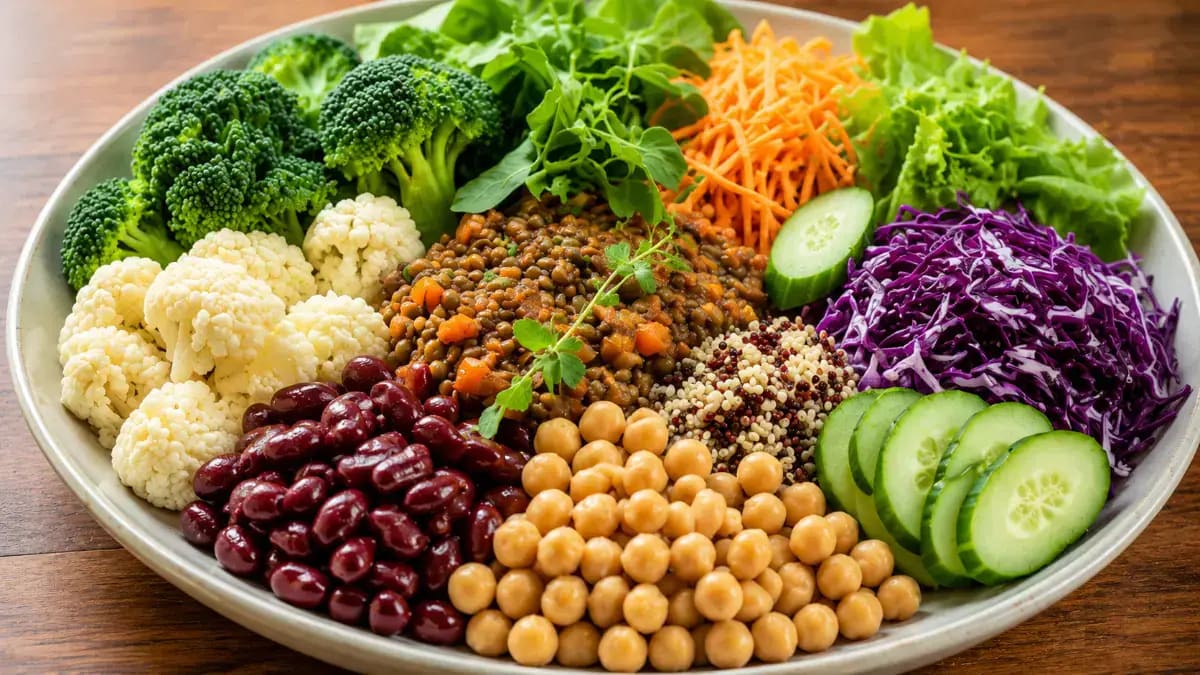
A low fat vegan diet reduces the energy density of foods by nearly 30%, enabling individuals to consume satisfying portions while naturally lowering calorie intake and promoting weight loss without deliberate calorie restriction. Published in JAMA Network Open, the study provides new insights into how dietary composition influences energy balance and weight management, offering a potential strategy for sustainable weight loss.
What We Know
A new study published in JAMA Network Open reveals that a low fat vegan diet significantly reduces the energy density of foods, allowing people to eat satisfying portions while consuming fewer calories and losing weight. The research found that participants on the diet reduced the energy density of their meals by nearly 30%, leading to a natural decrease in calorie intake without deliberate restriction.
The study involved 244 overweight adults who were randomly assigned to either follow a low fat vegan diet or make no dietary changes for 16 weeks. Those on the vegan diet lost an average of 13 pounds, compared to no significant weight change in the control group. The findings suggest that the weight loss was driven by the lower energy density of plant based foods, which allowed participants to eat larger volumes of food while still reducing overall calorie intake.
Why This Matters
The study highlights a key mechanism behind the effectiveness of low fat vegan diets for weight loss: the reduction in energy density. Energy density refers to the number of calories in a given weight of food. Foods with lower energy density, such as fruits, vegetables, and whole grains, provide fewer calories per gram, allowing people to eat more while consuming fewer calories overall. This effect can help individuals feel full and satisfied without the need for calorie counting or portion control.
Obesity remains a major public health challenge globally, with rates continuing to rise. Traditional weight loss strategies often focus on calorie restriction, which can be difficult to maintain long term. The findings of this study suggest that dietary approaches emphasizing low energy density foods may offer a more sustainable alternative for weight management.
Clinical Significance
The study's results align with previous research showing that plant based diets are associated with lower body weight and reduced risk of chronic diseases such as type 2 diabetes and cardiovascular disease. The reduction in energy density observed in this study may also explain why vegan diets are linked to improved metabolic health, as lower calorie intake without deprivation can lead to better blood sugar control and reduced inflammation.
Dr. Hana Kahleova, lead author of the study and director of clinical research at the Physicians Committee for Responsible Medicine, noted that the findings underscore the importance of food quality in weight management. "This study shows that you don’t have to starve yourself to lose weight," she said. "By focusing on low fat, plant based foods, you can eat until you feel full and still achieve meaningful weight loss."
Public Health Impact
The implications of this research extend beyond individual weight loss. Public health initiatives aimed at reducing obesity rates could benefit from promoting dietary patterns that naturally lower energy density, such as plant based diets. These diets are not only effective for weight management but also tend to be rich in fiber, vitamins, and minerals, which support overall health.
However, experts caution that adopting a vegan diet requires careful planning to ensure adequate intake of essential nutrients like vitamin B12, iron, and omega 3 fatty acids. Public health campaigns would need to provide guidance on how to transition to a balanced low fat vegan diet to avoid potential nutritional deficiencies.
What's Next
Further research is needed to explore the long term effects of low fat vegan diets on weight maintenance and metabolic health. Future studies could also investigate how different populations respond to this dietary approach, including individuals with pre existing health conditions such as diabetes or heart disease. Additionally, research into the environmental and economic impacts of plant based diets could provide further support for their adoption on a broader scale.
Key Takeaways
- A low fat vegan diet reduces food energy density by nearly 30%, allowing people to eat satisfying portions while consuming fewer calories and losing weight without deliberate restriction.
- Participants on the diet lost an average of 13 pounds over 16 weeks, highlighting the potential of plant based diets for sustainable weight management.
- The study suggests that dietary approaches focusing on low energy density foods may offer a more sustainable alternative to traditional calorie restricted diets.
Frequently Asked Questions
What is energy density in food?
Energy density refers to the number of calories in a given weight of food. Foods with lower energy density, like fruits and vegetables, provide fewer calories per gram, allowing you to eat more while consuming fewer calories overall.
Do I need to count calories on a low fat vegan diet?
No, the study found that participants naturally consumed fewer calories without deliberate restriction, thanks to the lower energy density of plant based foods.
Are there any risks to adopting a low fat vegan diet?
While a low fat vegan diet can be healthy, it requires careful planning to ensure adequate intake of essential nutrients like vitamin B12, iron, and omega 3 fatty acids. Consulting a healthcare provider or dietitian is recommended.
Published by O. Ayodeji | Review by MedSense Editorial Board






















DISCUSSION (0)
POST A COMMENT