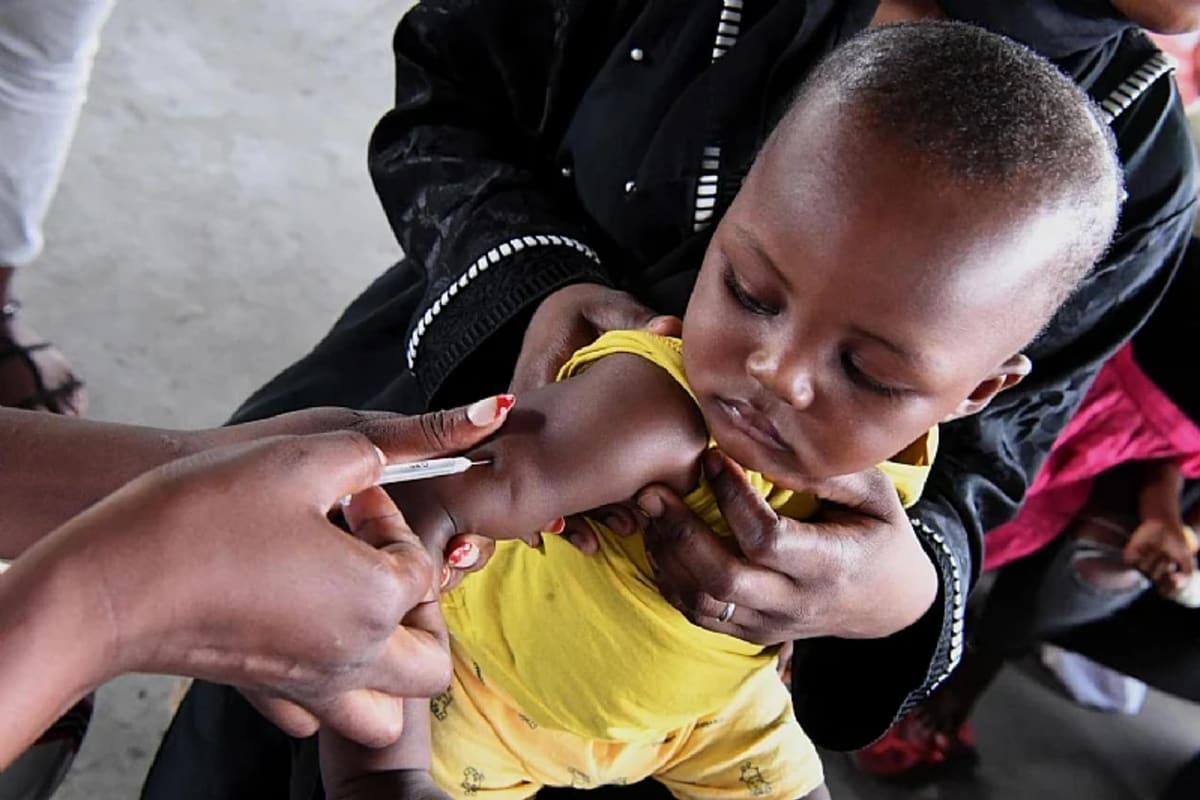
Even as COVID 19 vaccination rates have plateaued among adults, a troubling gap persists in childhood immunization within Black and Hispanic communities. New research suggests the reasons go beyond access or misinformation. Parents who received the vaccine themselves often hesitate when it comes to their children, driven by deeply held cultural values and concerns about safety, autonomy, and trust in the healthcare system. The findings, published in Vaccine X, offer a nuanced look at vaccine decision making in communities that have been disproportionately affected by the pandemic yet remain underrepresented in public health discourse.
What Happened
A qualitative study conducted with Black and Hispanic parents of school aged children reveals that vaccine hesitancy for their kids is not simply a matter of distrust or lack of information. Many parents who received the COVID 19 vaccine themselves expressed reluctance to vaccinate their children, citing concerns about long term effects, perceived rushed development, and a desire to protect their children’s bodily autonomy. The study, based on in depth interviews, highlights how cultural values, such as prioritizing family well being, skepticism of government messaging, and historical medical mistrust, shape these decisions.
Why Public Health Officials Are Concerned
Childhood vaccination rates for COVID 19 remain significantly lower in Black and Hispanic communities compared to national averages. This disparity raises alarms for public health experts, who warn that unvaccinated children may face higher risks of severe illness, long COVID, or transmission to vulnerable family members. The study’s authors emphasize that traditional public health campaigns, which often focus on correcting misinformation or improving access, may overlook the cultural and emotional factors driving hesitancy. Without addressing these underlying concerns, efforts to boost vaccination rates could fall short.
Who May Be Affected
The findings reflect broader trends in vaccine uptake among Black and Hispanic families, where children are less likely to be vaccinated than their white or Asian counterparts. This disparity is particularly concerning given that these communities have experienced higher rates of COVID 19 hospitalization and death throughout the pandemic. Parents interviewed in the study often described a protective instinct, wanting to shield their children from perceived risks, even if those risks are statistically low. Others cited past negative experiences with healthcare providers as a reason for caution.
Key Factors Influencing Vaccine Decisions
The study identified several recurring themes in parents’ decision making processes:
- Safety Concerns: Many parents questioned the long term effects of the vaccine, despite reassurances from health authorities. Some worried that the rapid development of the vaccine meant corners were cut, even if they had received it themselves.
- Bodily Autonomy: A significant number of parents expressed discomfort with making medical decisions for their children without their input, especially as kids grow older. Some preferred to wait until their children could consent or until more data became available.
- Historical Mistrust: Past medical injustices, such as the Tuskegee Syphilis Study, continue to influence perceptions of vaccines. Parents described a generational skepticism toward government and medical institutions, even when they personally trusted their own doctors.
- Family and Community Influence: Decisions were often shaped by conversations with extended family, religious leaders, or community members. Some parents reported feeling pressure to conform to community norms, whether pro vaccine or hesitant.
- Perceived Risk vs. Benefit: Many parents weighed the low risk of severe COVID 19 in children against their concerns about the vaccine. Some saw vaccination as unnecessary for healthy kids, while others feared unknown side effects more than the virus itself.
Government and Public Health Response
Public health officials have acknowledged the need for more culturally tailored messaging to address vaccine hesitancy in Black and Hispanic communities. The Centers for Disease Control and Prevention (CDC) and local health departments have partnered with community organizations, faith leaders, and trusted healthcare providers to disseminate information. However, the study’s authors argue that these efforts must go further by engaging parents in open dialogue rather than relying on top down messaging. They recommend involving community health workers who share cultural backgrounds and lived experiences with the families they serve.
Prevention and Safety Guidance
For parents navigating this decision, public health experts offer the following guidance:
- Consult Trusted Sources: Seek information from healthcare providers who understand your concerns and can address them without judgment. Pediatricians, in particular, can provide personalized advice based on your child’s health history.
- Consider the Broader Impact: Vaccination not only protects your child but also reduces the risk of transmission to elderly or immunocompromised family members.
- Weigh the Evidence: While no medical intervention is without risk, the COVID 19 vaccines have undergone rigorous testing and monitoring. The benefits of vaccination in preventing severe illness and long COVID are well documented.
- Engage in Open Conversations: If your child is old enough, involve them in the decision making process. Address their questions and concerns honestly, using age appropriate language.
- Stay Informed About Updates: As new variants emerge, vaccine recommendations may evolve. Stay connected with reliable sources like the CDC or World Health Organization for the latest guidance.
What Readers Should Know
Vaccine hesitancy is not a monolith. The reasons Black and Hispanic parents hesitate to vaccinate their children are complex and deeply personal, rooted in cultural values, historical context, and individual experiences. Public health campaigns must move beyond one size fits all messaging and instead foster trust through empathy, transparency, and community engagement. For parents, the decision to vaccinate is rarely made lightly, and understanding the factors at play can help bridge the gap between hesitation and confidence.
Key Takeaways
- Black and Hispanic parents often hesitate to vaccinate their children against COVID 19, even if they’ve been vaccinated themselves, due to cultural values and safety concerns.
- Historical medical mistrust, desire for bodily autonomy, and perceived risks shape vaccine decisions in these communities.
- Public health efforts must address underlying concerns through culturally tailored messaging and community engagement, rather than relying solely on correcting misinformation.
- Parents are encouraged to consult trusted healthcare providers and weigh the evidence when making vaccination decisions for their children.
Frequently Asked Questions
Why are Black and Hispanic parents more hesitant to vaccinate their children against COVID 19?
The study found that hesitancy stems from a combination of factors, including concerns about long term vaccine safety, historical medical mistrust, a desire to protect children’s bodily autonomy, and influence from family or community members. Many parents who received the vaccine themselves still question its necessity or safety for their children.
Are COVID 19 vaccines safe for children?
Yes. COVID 19 vaccines have undergone extensive clinical trials and real world monitoring, demonstrating a strong safety profile in children. The benefits of vaccination, such as reducing the risk of severe illness, hospitalization, and long COVID, outweigh the risks for most children. Parents with concerns should discuss them with their pediatrician.
How can public health officials improve vaccine uptake in these communities?
The study suggests that public health campaigns should move beyond correcting misinformation and instead focus on building trust through culturally sensitive messaging. This includes partnering with community leaders, involving trusted healthcare providers, and addressing specific concerns raised by parents, such as long term safety and bodily autonomy.
What should parents consider when deciding whether to vaccinate their children?
Parents should weigh the risks and benefits, consult trusted healthcare providers, and consider the broader impact of vaccination on their family and community. Involving children in the conversation, if age appropriate, can also help address their concerns and foster informed decision making.
Medical Review: MedSense Editorial Board
























DISCUSSION (0)
POST A COMMENT