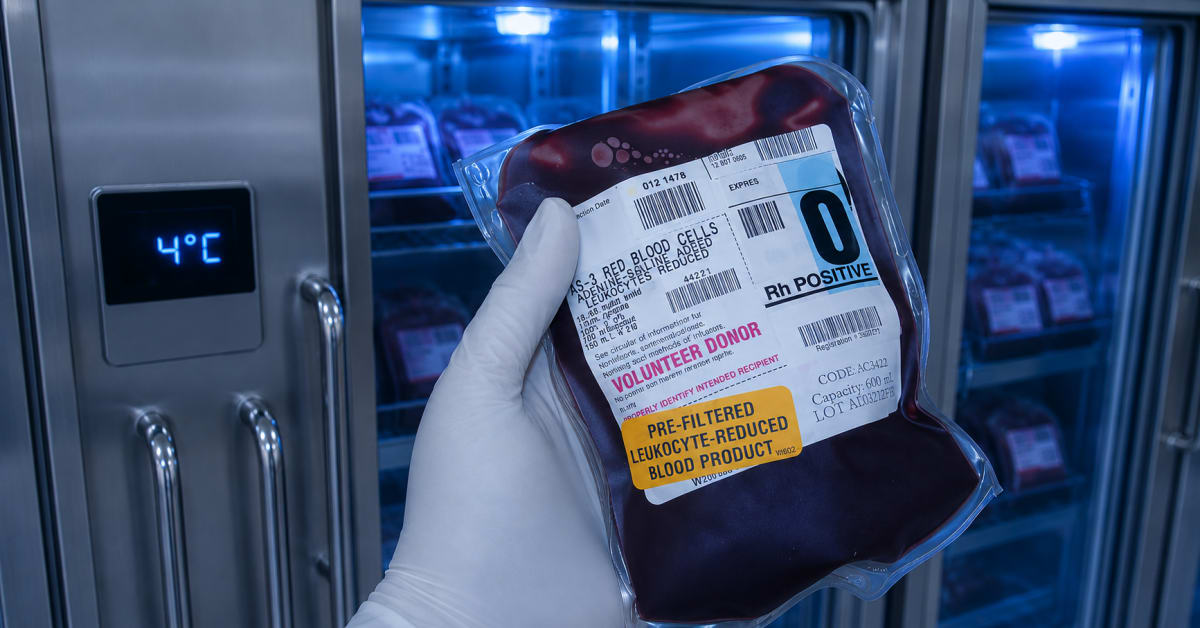
Every two seconds, someone in the world needs blood. For patients battling trauma, complications during childbirth, or chronic illnesses like sickle cell disease, a single donation can mean the difference between life and death. Yet in many countries, including Nigeria, voluntary blood donations remain critically low. On World Blood Donor Day, health experts and regular donors are urging communities to step forward, not just to save lives but to experience the profound personal reward that comes with giving the gift of life. David Ikediashi, a health insurance desk officer in Ibadan, still recalls the moment he first donated blood. What began as a one time act of kindness has since become a habit he refuses to break. Like many regular donors, he describes a sense of fulfillment that goes beyond the physical act, knowing his contribution directly sustains another human being. His story is not unique. Across the globe, millions of voluntary donors return repeatedly, driven by the knowledge that their blood keeps hospitals running and families intact. But with demand far outstripping supply, experts warn that complacency could have devastating consequences.
What Happened
World Blood Donor Day, observed annually on June 14, serves as a global call to action to recognize the critical role of voluntary blood donors. This year, the focus is on celebrating those who donate regularly and encouraging new donors to join their ranks. In Nigeria, where blood shortages remain a persistent challenge, haematologists and transfusion experts are emphasizing the urgent need for more voluntary donations to meet the country’s healthcare demands.
The day also highlights the stories of donors like Ikediashi, whose personal experiences underscore the emotional and psychological rewards of donating. For many, the act of giving blood is not just about altruism but about forming a connection to the broader community and the lives they help sustain.
Why Public Health Officials Are Concerned
Blood is a finite resource that cannot be manufactured. It can only come from generous donors. In Nigeria, the National Blood Transfusion Service estimates that only about 10% of the country’s blood supply comes from voluntary donors, with the majority sourced from family replacement donations or paid donors. This reliance on non voluntary sources creates vulnerabilities in the blood supply chain, particularly during emergencies or outbreaks when demand spikes.
Dr. Omolade Awodu, a haematologist at the University of Benin Teaching Hospital, warns that the current system is unsustainable. "Voluntary donors are the backbone of a safe and reliable blood supply," she explains. "When people donate out of necessity rather than choice, it puts pressure on families and can lead to delays in treatment. We need a cultural shift toward regular, voluntary donations to ensure that no patient is left waiting for a transfusion."
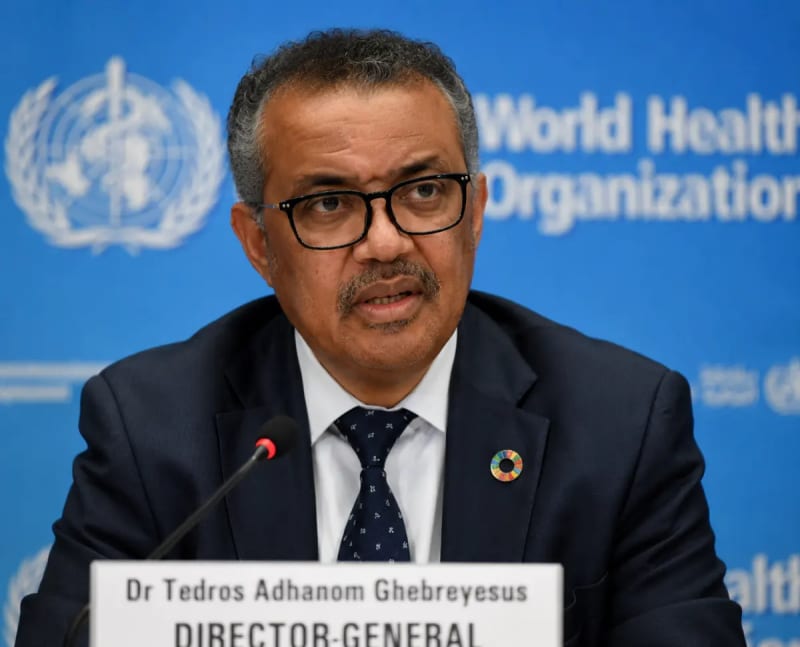
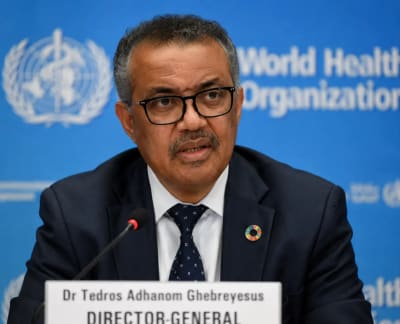
Globally, the World Health Organization (WHO) recommends that 100% of blood donations come from voluntary, unpaid donors to reduce the risk of transfusion transmissible infections and ensure equitable access. However, many low and middle income countries, including Nigeria, fall short of this target due to misconceptions, lack of awareness, and logistical challenges.
Who May Be Affected
Blood transfusions are essential for a wide range of medical conditions. Patients who rely on donated blood include:
- Women experiencing complications during childbirth, such as haemorrhage.
- Children suffering from severe anaemia, often due to malaria or malnutrition.
- Victims of road traffic accidents or other traumatic injuries.
- Patients undergoing surgeries, including cardiac and orthopaedic procedures.
- Individuals with chronic illnesses like sickle cell disease, cancer, or kidney failure.
In Nigeria, sickle cell disease alone affects an estimated 2 to 3% of the population, creating a constant demand for safe blood. Without a steady supply, hospitals are forced to ration blood, prioritizing emergency cases over elective procedures. This can lead to prolonged hospital stays, increased healthcare costs, and, in the worst cases, preventable deaths.
Government and WHO Response
The Nigerian government, in collaboration with the WHO and other partners, has launched several initiatives to boost voluntary blood donations. These include mobile blood drives, public awareness campaigns, and partnerships with religious and community leaders to dispel myths about donation. The National Blood Transfusion Service has also expanded its network of blood collection centers to improve accessibility, particularly in rural areas.
Globally, the WHO’s theme for this year’s World Blood Donor Day, "Give blood, give plasma, share life, share often," underscores the importance of regular donations. The organization is calling on countries to invest in sustainable blood donation programs, improve donor recruitment strategies, and ensure the safety and quality of blood products.
Symptoms or Risk Factors
While blood donation is safe for most healthy adults, certain conditions may disqualify individuals from donating. Potential donors should be aware of the following:
- Eligibility criteria: Donors must be in good health, weigh at least 50 kg (110 lbs), and be between the ages of 18 and 65. Some countries allow donations from 16 or 17 year olds with parental consent.
- Temporary deferrals: Individuals may be temporarily deferred if they have recently traveled to areas with infectious disease outbreaks, undergone certain medical procedures, or have low haemoglobin levels.
- Permanent deferrals: Conditions such as HIV, hepatitis B or C, and certain chronic illnesses may permanently disqualify someone from donating.
- Common side effects: Mild reactions like dizziness, bruising, or fatigue may occur but are usually short lived. Serious complications are rare.
Prospective donors are encouraged to consult with healthcare providers or blood donation centers to determine their eligibility.
Prevention and Safety Guidance
For those considering donating blood, experts offer the following tips to ensure a safe and positive experience:
- Hydrate well: Drink plenty of water before and after donation to help maintain blood volume and reduce the risk of dizziness.
- Eat a balanced meal: Avoid donating on an empty stomach. A meal rich in iron, such as leafy greens or lean meats, can help replenish lost nutrients.
- Avoid strenuous activity: Refrain from heavy lifting or intense exercise for at least 24 hours after donation to allow your body to recover.
- Know the myths: Common misconceptions, such as "donating blood weakens the immune system" or "it’s painful," are unfounded. Blood donation is a safe, regulated process with minimal discomfort.
- Donate regularly: Whole blood can be donated every 56 days, while plasma donations can occur more frequently. Regular donors help maintain a stable blood supply.
What Readers Should Know
Blood donation is one of the simplest yet most impactful ways to contribute to public health. A single donation can save up to three lives, and the process typically takes less than an hour. For those hesitant to donate, experts recommend starting with a conversation with a healthcare provider or visiting a blood donation center to learn more about the process.
In Nigeria, blood donation centers can be found in major hospitals and through organizations like the National Blood Transfusion Service. Many centers also offer incentives, such as free health screenings, to encourage participation. By donating blood, individuals not only support their communities but also gain a unique sense of connection to the lives they help save.
As Ikediashi puts it, "It’s not just about the blood. It’s about knowing that somewhere, someone is breathing easier because of what you did. That’s a feeling you want to keep coming back to."
Key Takeaways
- Voluntary blood donations are critical to maintaining a safe and reliable blood supply, particularly in countries like Nigeria where demand often outstrips supply.
- A single blood donation can save up to three lives and is essential for patients with trauma, chronic illnesses, or complications during childbirth.
- Regular donors report a profound sense of fulfillment, knowing their contributions directly impact the lives of others.
- Common fears about blood donation, such as pain or weakness, are largely unfounded. The process is safe, regulated, and typically takes less than an hour.
- Governments and organizations like the WHO are working to expand access to blood donation centers and improve public awareness to meet global targets for voluntary donations.
Frequently Asked Questions
Who can donate blood?
Most healthy adults between the ages of 18 and 65, weighing at least 50 kg (110 lbs), can donate blood. Some countries allow donations from 16 or 17 year olds with parental consent. However, certain medical conditions or recent travel may temporarily or permanently disqualify individuals.
How often can I donate blood?
Whole blood can be donated every 56 days (8 weeks), while plasma donations can occur more frequently, typically every 2 to 4 weeks. Regular donations help maintain a stable blood supply.
Does donating blood hurt?
The process involves a quick needle prick, which may cause minor discomfort, but most donors report minimal pain. The entire procedure usually takes less than an hour, and side effects like dizziness or bruising are rare and short lived.
Can I donate blood if I have a chronic illness like diabetes or hypertension?
It depends on the condition and how well it is managed. Some chronic illnesses may disqualify you from donating, while others may not. It’s best to consult with a healthcare provider or blood donation center to determine your eligibility.
What happens to my blood after I donate?
Donated blood is tested for infectious diseases, typed, and separated into components like red blood cells, plasma, and platelets. These components are then distributed to hospitals to treat patients in need.
Medical Review: MedSense Editorial Board














DISCUSSION (0)
POST A COMMENT