
More than 655 million people worldwide still live in energy poverty, lacking access to electricity, while nearly two billion depend on dangerous, polluting fuels for cooking. These stark figures, revealed in a new global report released this week, have prompted the World Health Organization and its partners to issue a dire warning about the escalating health crisis tied to energy inequality. The findings underscore how persistent gaps in clean energy access are not just an infrastructure failure but a public health emergency with far reaching consequences for vulnerable populations, particularly women and children in low income regions.
What Happened
A joint report published by the WHO, the World Bank, and the International Energy Agency has exposed the scale of global energy deprivation, revealing that 655 million people remain without electricity while nearly two billion continue to use polluting fuels such as wood, charcoal, and kerosene for cooking and heating. The data, drawn from the latest Tracking SDG 7 report, highlights a critical bottleneck in achieving Sustainable Development Goal 7, which aims to ensure universal access to affordable, reliable, and modern energy by 2030.
Why Public Health Officials Are Concerned
The reliance on solid fuels for cooking is a leading environmental risk factor for disease and premature death, particularly in low and middle income countries. The WHO estimates that household air pollution from these fuels causes approximately 3.2 million deaths annually, including over 237,000 deaths among children under five. The pollutants released, such as fine particulate matter and carbon monoxide, are linked to respiratory infections, chronic obstructive pulmonary disease, stroke, heart disease, and lung cancer. Beyond mortality, the health burden extends to millions more suffering from debilitating conditions that impair productivity and deepen cycles of poverty.
Who May Be Affected
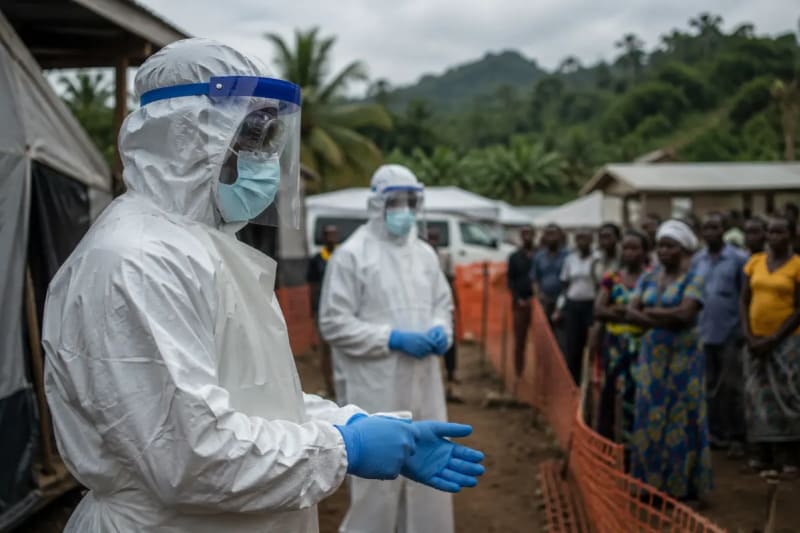
The crisis disproportionately impacts rural communities, where energy infrastructure is often absent or unreliable. Women and children bear the brunt of the health risks, as they are typically responsible for cooking and spend more time indoors exposed to harmful smoke. In sub Saharan Africa and parts of South Asia, where the majority of the energy poor population resides, the lack of electricity also limits access to essential health services, such as refrigeration for vaccines, lighting for nighttime emergencies, and power for medical equipment. Schools and small businesses in these regions face similar constraints, further entrenching socioeconomic disparities.
Government and WHO Response
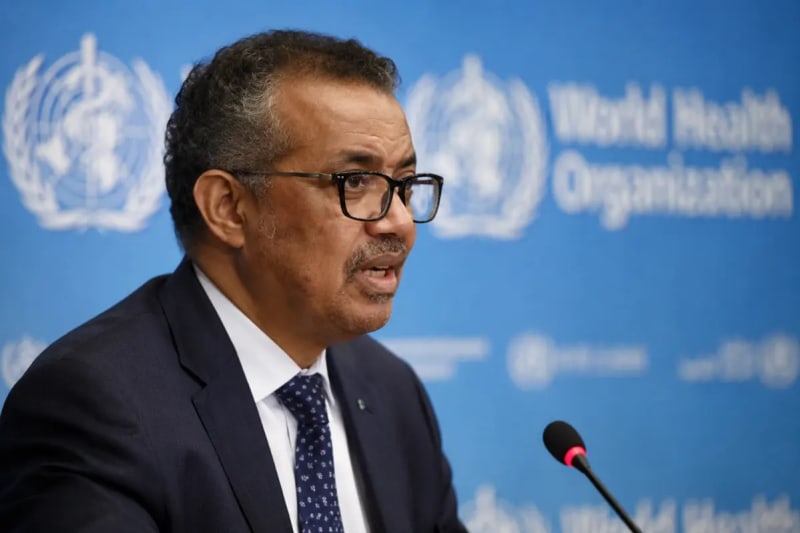
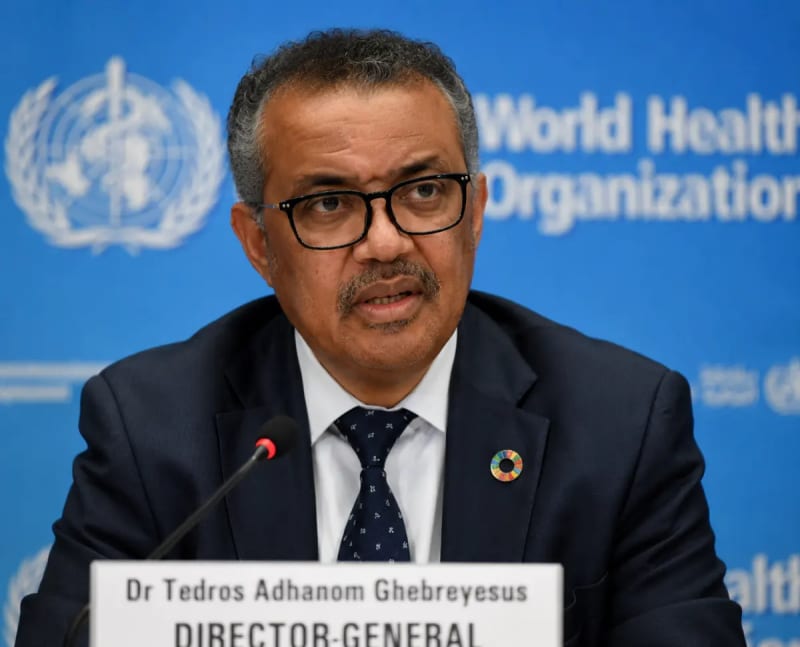
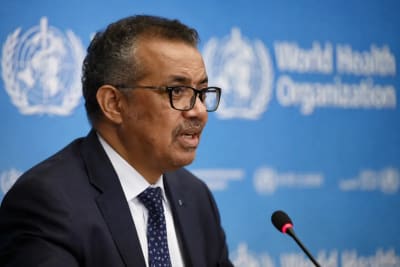
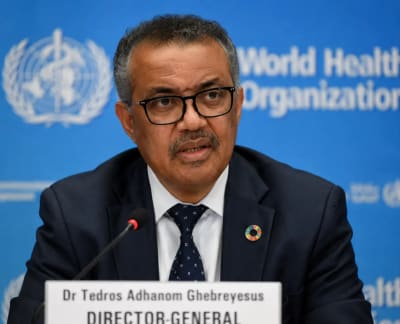
The WHO and its partners are calling for accelerated investment in clean energy solutions, including off grid renewable technologies such as solar and wind power, as well as improved cookstoves designed to reduce emissions. The report emphasizes the need for policy reforms to incentivize private sector involvement and remove barriers to energy access, such as high upfront costs and regulatory hurdles. At the recent High Level Political Forum on Sustainable Development, WHO Director General Dr. Tedros Adhanom Ghebreyesus stressed that "energy is not a luxury; it is a fundamental determinant of health. Without it, we cannot achieve universal health coverage or protect the most vulnerable from preventable diseases."
Prevention and Safety Guidance
For communities still reliant on polluting fuels, public health experts recommend several immediate measures to mitigate risks. These include ensuring proper ventilation in cooking areas, using cleaner burning stoves where available, and minimizing exposure to smoke, particularly for children and pregnant women. Governments and NGOs are urged to expand access to cleaner fuels like liquefied petroleum gas and biogas, which significantly reduce indoor air pollution. Long term solutions, however, hinge on scaling up renewable energy infrastructure and integrating health considerations into national energy policies.
What Readers Should Know
The energy crisis is not just an environmental or economic issue, it is a matter of life and death. The 655 million people without electricity and the two billion using harmful cooking fuels are not statistics; they represent families facing daily health threats that are entirely preventable. While progress has been made in some regions, the pace of change remains alarmingly slow. The WHO report serves as a call to action for governments, donors, and communities to prioritize energy access as a cornerstone of public health and equity. For those in energy secure regions, the findings are a reminder of the global disparities that persist and the collective responsibility to address them.
Key Takeaways
- Over 655 million people worldwide lack access to electricity, while nearly two billion rely on polluting fuels for cooking, driving a severe public health crisis.
- Household air pollution from solid fuels causes approximately 3.2 million deaths annually, including hundreds of thousands of children under five.
- The crisis disproportionately affects women, children, and rural communities, exacerbating health and socioeconomic inequalities.
- The WHO and partners are urging accelerated investment in clean energy solutions, policy reforms, and integration of health considerations into energy policies.
- Immediate measures, such as improved ventilation and cleaner burning stoves, can help mitigate risks for those still reliant on polluting fuels.
Frequently Asked Questions
Why is lack of electricity a public health issue?
Lack of electricity limits access to essential health services, such as refrigeration for vaccines, lighting for medical procedures, and power for life saving equipment. It also forces reliance on polluting fuels for cooking, which causes severe indoor air pollution and leads to millions of preventable deaths annually.
Which regions are most affected by energy poverty?
Sub Saharan Africa and parts of South Asia bear the highest burden of energy poverty, with the majority of the 655 million people without electricity residing in these regions. Rural communities are particularly vulnerable due to limited infrastructure.
What are the health risks of using polluting fuels for cooking?
Polluting fuels like wood, charcoal, and kerosene release harmful pollutants such as fine particulate matter and carbon monoxide. These pollutants are linked to respiratory infections, chronic obstructive pulmonary disease, stroke, heart disease, and lung cancer, particularly in women and children who spend more time near cooking areas.
What solutions are being proposed to address this crisis?
The WHO and its partners are advocating for increased investment in clean energy solutions, including off grid renewables like solar and wind power, as well as improved cookstoves. Policy reforms to incentivize private sector involvement and reduce regulatory barriers are also critical to expanding energy access.
How can individuals in affected communities reduce health risks?
Individuals can reduce exposure to indoor air pollution by ensuring proper ventilation in cooking areas, using cleaner burning stoves where available, and minimizing time spent near smoke. Where possible, switching to cleaner fuels like liquefied petroleum gas or biogas can significantly lower health risks.
Medical Review: MedSense Editorial Board








DISCUSSION (0)
POST A COMMENT