
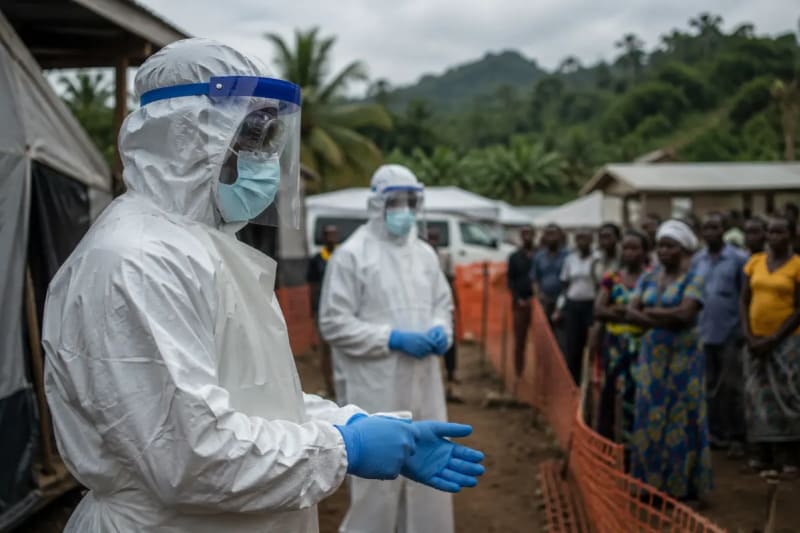
In the midst of a persistent Ebola outbreak in the Democratic Republic of the Congo, the World Health Organization has taken a decisive step to strengthen global preparedness against filovirus diseases. The agency has released its first comprehensive clinical management guidelines, covering all known strains of Ebola and Marburg viruses. These new recommendations, grounded in the latest scientific evidence, emphasize the life saving potential of early supportive care and outline 16 targeted interventions designed to improve patient outcomes during outbreaks. The guidelines arrive at a critical moment, as health authorities in the DRC continue to grapple with the Bundibugyo virus strain, one of six known Ebola virus species. With filovirus outbreaks historically carrying mortality rates as high as 90 percent, the WHO’s updated framework aims to standardize care protocols and reduce the devastating impact of these highly infectious pathogens on affected communities.
What Happened
The World Health Organization has published its first ever comprehensive guidelines for the clinical management of filovirus diseases, a family of viruses that includes Ebola and Marburg. This milestone document consolidates decades of research and frontline experience into 16 evidence based recommendations, offering a unified approach to treating patients during outbreaks. The guidelines were released as the Democratic Republic of the Congo faces an ongoing Ebola outbreak caused by the Bundibugyo virus, underscoring the urgency of standardized care protocols in high risk regions.
Why Public Health Officials Are Concerned
Filovirus diseases have long posed a formidable challenge to global health security. Ebola and Marburg viruses are notorious for their rapid transmission, high fatality rates, and the severe hemorrhagic symptoms they can induce. Outbreaks often occur in resource limited settings, where healthcare infrastructure may be ill equipped to handle the surge in cases. The WHO’s guidelines address this gap by prioritizing early supportive care, which has been shown to significantly improve survival rates. Without timely intervention, these diseases can overwhelm local health systems, leading to broader public health crises and international spread.
Symptoms or Risk Factors
Filovirus infections typically begin with non specific symptoms such as fever, fatigue, muscle pain, and headache, making early diagnosis challenging. As the disease progresses, patients may develop severe vomiting, diarrhea, impaired kidney and liver function, and in some cases, internal and external bleeding. High risk groups include healthcare workers, family members caring for infected individuals, and those living in or traveling to outbreak zones. The WHO guidelines stress the importance of rapid identification and isolation of suspected cases to prevent further transmission.
Who May Be Affected
While filovirus outbreaks have historically been concentrated in Central and West Africa, the global interconnectedness of travel and trade means no region is entirely immune. Healthcare workers on the frontlines are particularly vulnerable, as are communities with limited access to medical care. The WHO’s guidelines are designed to benefit not only patients but also clinicians, public health officials, and policymakers tasked with responding to outbreaks. By standardizing care, the recommendations aim to reduce disparities in treatment outcomes between high income and low resource settings.
Government or WHO Response
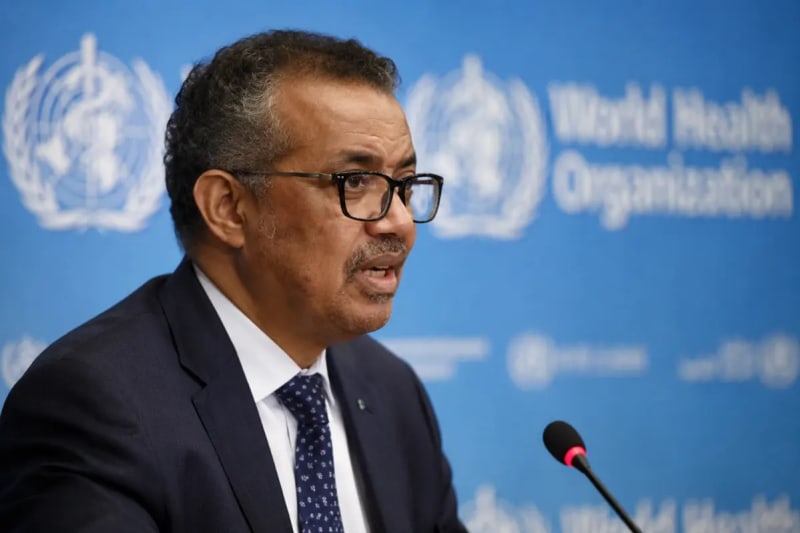
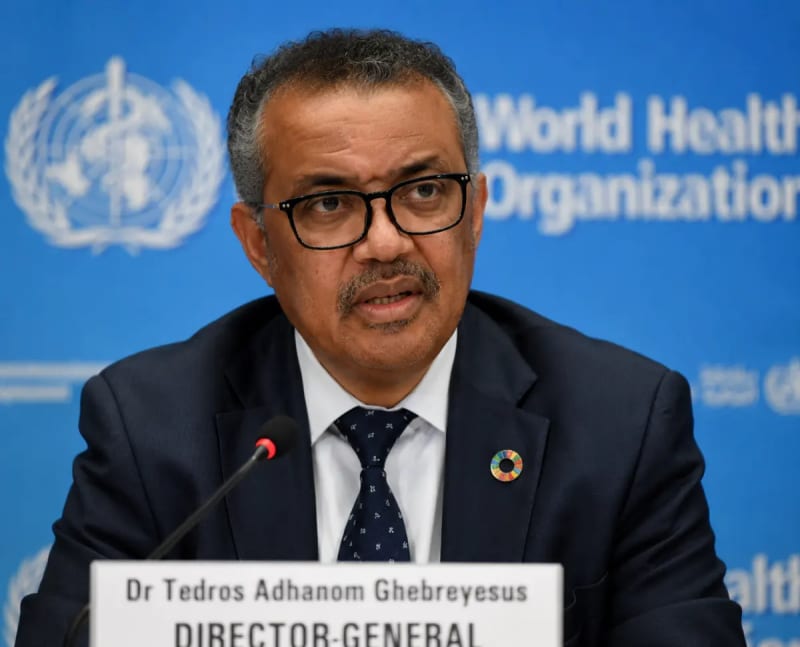
The WHO’s guidelines represent a coordinated effort to strengthen global health security against filovirus threats. The document was developed through a rigorous process involving input from infectious disease experts, epidemiologists, and clinicians with firsthand experience in outbreak response. The agency has also committed to supporting countries in implementing the recommendations, including through training programs for healthcare workers and the provision of essential medical supplies. In the DRC, where the current Ebola outbreak is unfolding, the guidelines are expected to inform local treatment protocols and improve patient care.
Prevention and Safety Guidance
Preventing filovirus transmission requires a multi faceted approach. The WHO emphasizes the importance of infection prevention and control measures, such as proper use of personal protective equipment, safe burial practices, and community engagement to reduce stigma and misinformation. Vaccination, where available, is also a critical tool in outbreak response. For travelers to affected regions, the guidelines recommend avoiding contact with sick individuals, practicing good hand hygiene, and seeking medical attention immediately if symptoms develop.
What Readers Should Know
The release of these guidelines marks a significant advancement in the global fight against filovirus diseases. While the recommendations are primarily aimed at healthcare professionals, they also serve as a reminder of the importance of preparedness and early intervention. For communities in outbreak prone regions, understanding the symptoms and seeking care promptly can make the difference between life and death. The WHO’s framework provides a roadmap for improving survival rates, but its success depends on coordinated action from governments, health organizations, and individuals alike.
Key Takeaways
- The WHO has released its first comprehensive guidelines for managing filovirus diseases, including Ebola and Marburg, with 16 evidence based recommendations.
- Early supportive care is highlighted as a critical factor in improving patient survival rates during outbreaks.
- Filovirus diseases pose a significant global health threat due to their high fatality rates and potential for rapid transmission.
- The guidelines aim to standardize care protocols, particularly in resource limited settings where outbreaks often occur.
- Prevention measures, including infection control, vaccination, and community engagement, are essential to reducing transmission and saving lives.
Frequently Asked Questions
What are filovirus diseases?
Filovirus diseases are caused by viruses in the Filoviridae family, which includes Ebola and Marburg viruses. These diseases are highly infectious and can lead to severe, often fatal, hemorrhagic fevers in humans and primates.
Why are the WHO’s new guidelines significant?
The guidelines provide the first comprehensive, evidence based framework for managing filovirus diseases. They standardize care protocols, prioritize early supportive interventions, and aim to improve survival rates in outbreak settings.
Who is most at risk during a filovirus outbreak?
Healthcare workers, family members caring for infected individuals, and communities in outbreak zones are at highest risk. Travelers to affected regions should also take precautions to avoid exposure.
How can filovirus transmission be prevented?
Prevention strategies include proper use of personal protective equipment, safe burial practices, community education to reduce stigma, and vaccination where available. Good hand hygiene and avoiding contact with sick individuals are also critical.
What should I do if I suspect I have been exposed to a filovirus?
Seek medical attention immediately if you develop symptoms such as fever, fatigue, or unexplained bleeding, especially after traveling to an outbreak zone. Early diagnosis and supportive care can significantly improve outcomes.
Medical Review: MedSense Editorial Board

















DISCUSSION (0)
POST A COMMENT