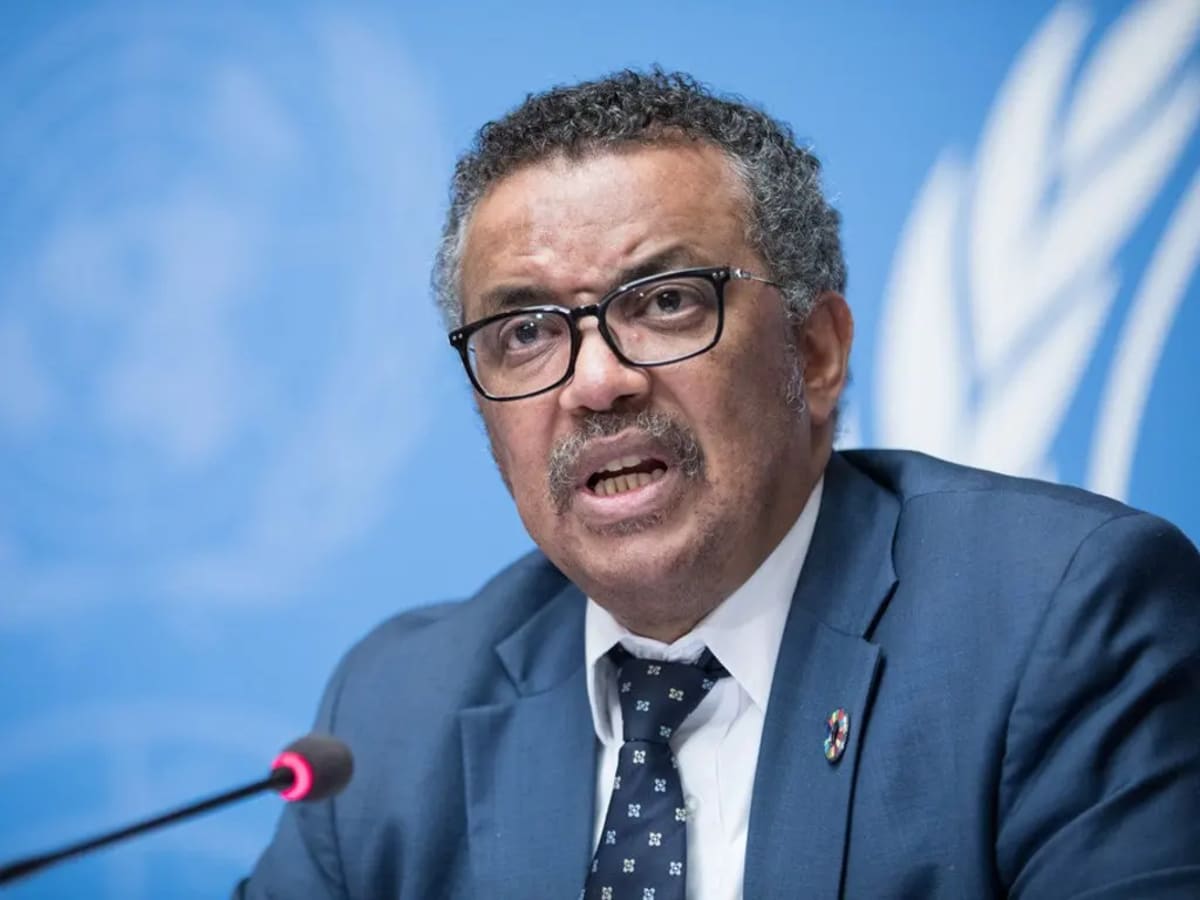
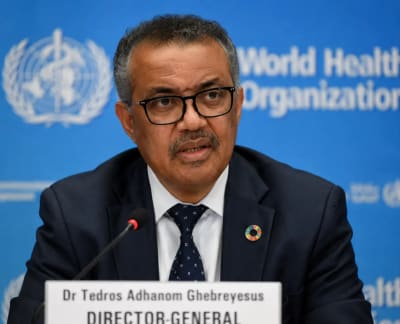
The World Health Organization announced that 1.2 million people contracted HIV in 2025, underscoring persistent challenges in the global fight against the virus. While new infections have declined significantly over the past two decades, the latest figures reveal uneven progress across regions and populations. The report highlights gaps in prevention, testing, and treatment access that continue to fuel transmission, particularly in high burden areas.
What We Know
The World Health Organization's latest global HIV report reveals that 1.2 million people acquired the virus in 2025, maintaining a plateau in new infections that has persisted since 2020. This figure represents a 59% reduction from the peak in 1995 but falls short of the 2025 target set by the United Nations to reduce new infections to fewer than 500,000 annually.
Sub Saharan Africa continues to bear the highest burden, accounting for 60% of new cases, though infection rates have declined by 44% in the region since 2010. Eastern Europe, Central Asia, and parts of Latin America have seen concerning increases, with new infections rising by up to 49% in some areas over the past decade. Key populations, including men who have sex with men, sex workers, and people who inject drugs, remain disproportionately affected, representing 70% of new infections globally.
Why This Matters
The stagnation in new HIV infections signals a critical inflection point in the global response. While antiretroviral therapy has transformed HIV from a fatal diagnosis to a manageable chronic condition for millions, the persistent rate of new infections threatens to reverse hard won gains. The WHO estimates that 39 million people were living with HIV in 2025, with 20% unaware of their status.
Economic disparities play a significant role in the uneven progress. Low and middle income countries, which account for 95% of new infections, face challenges in sustaining prevention programs and ensuring consistent access to treatment. The COVID 19 pandemic further strained health systems, disrupting testing and treatment services in many high burden countries. Funding gaps have also emerged, with international assistance for HIV programs declining by 8% since 2019.
Clinical and Public Health Implications
The report underscores the need for tailored strategies to address regional and population specific challenges. In sub Saharan Africa, adolescent girls and young women account for 25% of new infections despite representing just 10% of the population. The WHO recommends scaling up combination prevention approaches, including pre exposure prophylaxis (PrEP), voluntary medical male circumcision, and community led testing initiatives.
For key populations, structural barriers such as stigma, discrimination, and criminalization continue to hinder access to services. The WHO highlights the success of programs that integrate HIV services with other health needs, such as sexual and reproductive health, harm reduction, and mental health support. In Eastern Europe and Central Asia, where injection drug use drives transmission, opioid substitution therapy and needle exchange programs have proven effective but remain underutilized.
Expert Perspective
"The progress we've made is fragile," said Dr. Meg Doherty, Director of WHO's Global HIV, Hepatitis, and Sexually Transmitted Infections Programs. "We cannot afford complacency. The tools to end the HIV epidemic exist, but they must reach the people who need them most. This requires political will, sustained funding, and community engagement at every level."
Doherty emphasized the importance of addressing social determinants of health, noting that gender inequality, poverty, and lack of education contribute to higher infection rates among vulnerable groups. She also called for greater investment in research to develop long acting prevention methods, such as injectable PrEP and HIV vaccines, which could improve adherence and expand access.
What's Next
The WHO report sets the stage for renewed global commitments at the upcoming United Nations High Level Meeting on HIV/AIDS in September 2026. Countries are expected to adopt a new set of targets aimed at reducing new infections to fewer than 370,000 by 2030 and ensuring that 95% of people living with HIV know their status, receive treatment, and achieve viral suppression.
Innovations in service delivery, such as differentiated care models and digital health tools, are being piloted to improve efficiency and reach. The WHO also stresses the importance of integrating HIV services into universal health coverage to ensure sustainability. For individuals, the message remains clear: testing, treatment, and prevention tools are more accessible than ever, but closing the gap requires collective action.
Key Takeaways
- 1.2 million new HIV infections occurred globally in 2025, signaling stalled progress in the fight against the virus despite decades of advancements.
- Sub Saharan Africa remains the hardest hit region, while Eastern Europe and Central Asia have seen rising infection rates, particularly among key populations.
- The WHO calls for targeted strategies, increased funding, and community led approaches to bridge gaps in prevention, testing, and treatment access.
Frequently Asked Questions
Why are HIV infection rates still high despite progress?
While global efforts have reduced new infections by 59% since 1995, progress has stalled due to funding gaps, health system disruptions, and persistent barriers in accessing prevention and treatment, particularly among key populations.
Which groups are most affected by new HIV infections?
Men who have sex with men, sex workers, people who inject drugs, and adolescent girls and young women in sub Saharan Africa face the highest risk, accounting for 70% of new infections globally.
What steps are being taken to reduce new HIV infections?
The WHO recommends scaling up combination prevention strategies, including PrEP, community led testing, and integrated health services, alongside greater investment in research for long acting prevention methods and vaccines.
Published by O. Ayodeji John | Review by MedSense Editorial Board














DISCUSSION (0)
POST A COMMENT