
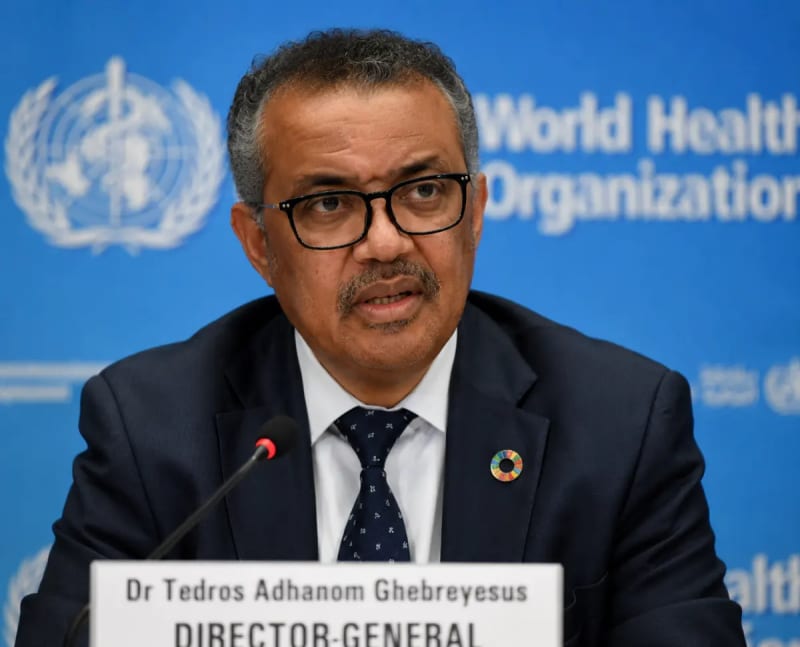
The World Health Organization has recommended an urgent clinical trial in the Democratic Republic of Congo to test the Ervebo vaccine against the Bundibugyo strain of Ebola. Ervebo, the only licensed Ebola vaccine, has shown effectiveness against other strains but requires evaluation for this emerging threat. The trial aims to accelerate containment efforts as health authorities race to prevent further spread in a region already battling multiple health crises.
What We Know
The World Health Organization’s Technical Advisory Group on Vaccine Research has called for a clinical trial in the Democratic Republic of Congo to assess the Ervebo vaccine’s efficacy against the Bundibugyo virus, a less common but dangerous strain of Ebola. Ervebo, developed by Merck and approved in 2019, is currently the only licensed vaccine for Ebola Zaire, the most widespread strain. While it has proven effective in previous outbreaks, its performance against Bundibugyo remains untested in real world settings.
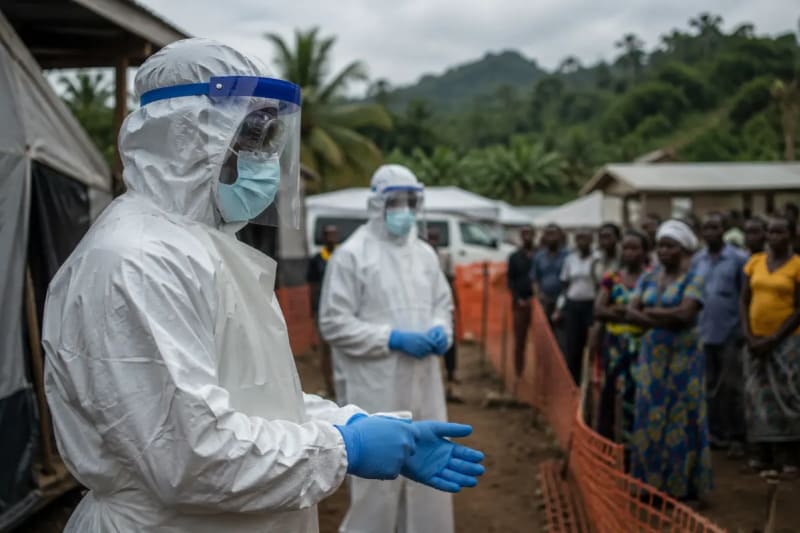
The decision comes as Congo faces a resurgence of Ebola, compounded by ongoing challenges like armed conflict, weak healthcare infrastructure, and concurrent outbreaks of measles and cholera. The WHO is collaborating with local health authorities, Gavi the Vaccine Alliance, and other partners to launch the trial swiftly, though logistical hurdles may delay implementation.
Why This Matters
The Bundibugyo strain, first identified in Uganda in 2007, has a lower fatality rate than Ebola Zaire but still poses a significant threat. Previous outbreaks have demonstrated its ability to spread rapidly in resource limited settings, where diagnostic tools and healthcare access are often inadequate. A successful trial could expand Ervebo’s use, providing a critical tool to curb transmission and save lives.
This outbreak also tests the global health community’s ability to respond to multiple emergencies simultaneously. Congo’s health system, already strained by years of conflict and underfunding, risks being overwhelmed without rapid intervention. The trial’s outcomes could inform future strategies for vaccine deployment in complex humanitarian crises.
Expert Perspective
Dr. Ana Maria Henao Restrepo, lead of the WHO’s R&D Blueprint for Epidemics, emphasized the urgency of the trial. "Every Ebola outbreak presents unique challenges, and the Bundibugyo strain is no exception," she said. "While we have strong evidence for Ervebo’s efficacy against Zaire, we need data specific to Bundibugyo to ensure we’re not flying blind. This trial will help us adapt our response in real time."
Experts also highlight the importance of community engagement. Past Ebola responses in Congo have faced resistance due to mistrust of medical interventions, particularly in conflict zones. The WHO and its partners are prioritizing dialogue with local leaders to ensure high participation rates in the trial.
What’s Next
The trial’s timeline remains fluid, with preparations underway to enroll participants in high risk areas. If successful, the data could lead to expanded regulatory approval for Ervebo against Bundibugyo, potentially within months. Meanwhile, health workers are scaling up surveillance, contact tracing, and supportive care to contain the outbreak while the vaccine is evaluated.
Gavi has committed to funding the trial and procuring doses if the vaccine proves effective. The organization’s CEO, Dr. Sania Nishtar, noted, "This is a pivotal moment for Ebola preparedness. A positive outcome would not only protect communities in Congo but also strengthen our global arsenal against future outbreaks."
Key Takeaways
- The WHO has recommended a clinical trial in Congo to test the Ervebo vaccine against the Bundibugyo Ebola strain, which lacks proven countermeasures.
- Ervebo is the only licensed Ebola vaccine but has not been evaluated for efficacy against Bundibugyo in real world settings.
- The trial’s success could expand vaccine access and improve outbreak response strategies in conflict affected regions.
Frequently Asked Questions
Is the Bundibugyo strain of Ebola more dangerous than others?
Bundibugyo has a lower fatality rate than the Zaire strain but spreads quickly in areas with weak healthcare systems. Its symptoms are similar to other Ebola strains, including fever, bleeding, and organ failure.
How does the Ervebo vaccine work?
Ervebo is a live, attenuated vaccine that triggers an immune response against the Ebola virus. It has shown over 97% efficacy in preventing Ebola Zaire in previous outbreaks.
What challenges could delay the trial?
Logistical hurdles include reaching remote communities, addressing vaccine hesitancy, and navigating security risks in conflict zones. The WHO and partners are working to mitigate these barriers.
Published by O. Ayodeji | Review by MedSense Editorial Board














DISCUSSION (0)
POST A COMMENT