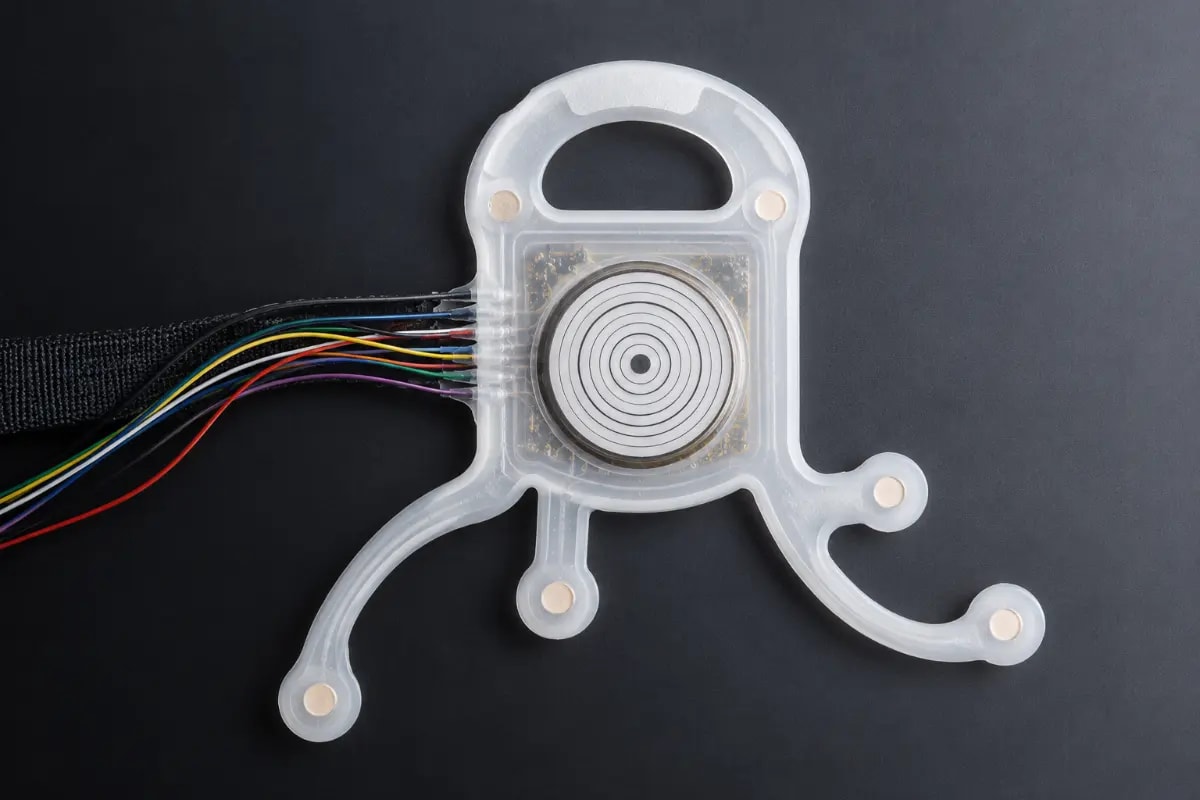
A wearable ultrasound patch has shown promise in enhancing REM sleep without the need for drugs or surgery. In a study involving 28 participants, the device reduced the time to enter REM sleep by 43 minutes and extended REM duration by approximately 16 minutes. Researchers also noted improvements in stress regulation and changes in brain circuits linked to emotional processing, suggesting potential benefits for mental health and cognitive function.
Latest Developments
A wearable ultrasound patch developed by researchers at the University of California, San Diego, has demonstrated the ability to enhance REM sleep in a small clinical study. The device, which is applied to the skin behind the ear, uses low intensity ultrasound waves to stimulate specific brain regions associated with sleep regulation. Unlike traditional sleep aids, the patch does not rely on pharmaceuticals or invasive procedures, offering a non pharmacological approach to improving sleep quality.
What We Know
The study, published in *Nature Communications*, involved 28 healthy adult participants who were monitored over two nights in a sleep laboratory. Half of the participants received active ultrasound stimulation during the first night, while the other half received a placebo. The results showed that those who received the ultrasound stimulation fell into REM sleep 43 minutes faster on average and spent approximately 16 minutes longer in REM sleep compared to the placebo group. The device also appeared to reduce physiological markers of stress and influence brain circuits involved in emotional regulation.
The ultrasound waves emitted by the patch are designed to target the brainstem and thalamus, areas critical for sleep wake cycles and REM sleep regulation. The researchers noted that the stimulation did not disrupt other sleep stages, such as deep or light sleep, indicating that the patch selectively enhances REM sleep without interfering with overall sleep architecture.
Why This Matters
REM sleep is crucial for cognitive function, memory consolidation, and emotional well being. Disruptions in REM sleep have been linked to conditions such as depression, anxiety, and neurodegenerative diseases. Current treatments for sleep disorders often rely on medications that can have side effects or carry the risk of dependency. The development of a non invasive, drug free method to enhance REM sleep could provide a safer and more sustainable alternative for individuals struggling with sleep disturbances.
The findings suggest that wearable ultrasound technology could be particularly beneficial for people with insomnia, shift workers, or those experiencing stress related sleep disruptions. Additionally, the potential improvements in stress regulation and emotional processing could have broader implications for mental health, offering a new avenue for therapeutic intervention without the need for pharmaceuticals.
Clinical Significance
While the study results are promising, experts caution that further research is needed to validate the findings and assess the long term effects of the device. The current study was small and focused on healthy participants, so it remains unclear whether the same benefits would be observed in individuals with sleep disorders or underlying medical conditions. Researchers are planning larger trials to explore the patch’s efficacy across diverse populations and to determine optimal usage patterns.
The technology behind the wearable ultrasound patch is still in its early stages, but it represents a significant step forward in the field of sleep medicine. Unlike traditional sleep aids, which often come with side effects or dependency risks, this approach leverages the body’s natural sleep mechanisms to achieve better outcomes. If proven effective in larger studies, the patch could become a valuable tool for improving sleep quality and overall well being.
What’s Next
The research team is now working to refine the device and expand its applications. Future studies will focus on testing the patch in individuals with sleep disorders, such as insomnia or sleep apnea, to determine whether it can provide therapeutic benefits. Additionally, the researchers are exploring the potential of combining ultrasound stimulation with other sleep enhancing techniques, such as cognitive behavioral therapy for insomnia (CBT I), to create a more comprehensive approach to sleep improvement.
Regulatory approval will also be a critical step before the device can be made available to the public. The researchers are collaborating with medical device regulators to ensure the safety and efficacy of the patch. If successful, the wearable ultrasound patch could become a widely accessible tool for improving sleep health, offering a drug free alternative to traditional sleep aids.
Key Takeaways
- The wearable ultrasound patch reduced time to REM sleep by 43 minutes and extended REM duration by 16 minutes in a study of 28 participants.
- The device targets brain regions involved in sleep regulation without disrupting other sleep stages or requiring drugs.
- Further research is needed to validate efficacy in larger trials and diverse populations before clinical adoption.
Frequently Asked Questions
How does the wearable ultrasound patch work?
The patch uses low intensity ultrasound waves to stimulate brain regions like the brainstem and thalamus, which regulate REM sleep without disrupting other sleep stages.
Is the patch safe and non invasive?
Yes, the device is applied externally to the skin behind the ear and does not require surgery or medication, making it a non invasive option.
Could this device help people with insomnia or sleep disorders?
While early results are promising, larger studies are needed to determine its effectiveness for individuals with sleep disorders before clinical use.
Published by Damilare | Review by MedSense Editorial Board





















DISCUSSION (0)
POST A COMMENT