What Happened
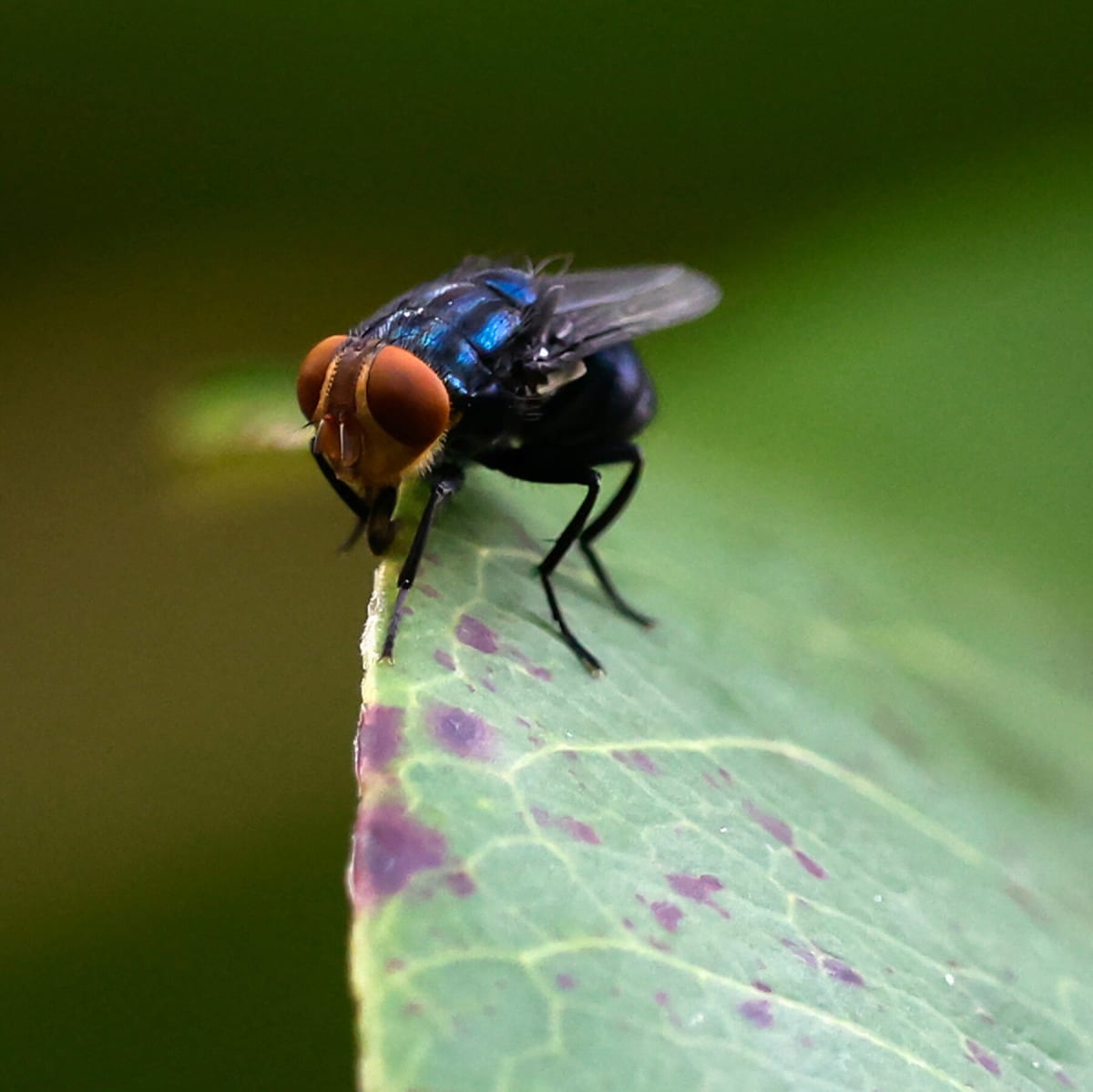
The U.S. Department of Agriculture USDA confirmed this week that screwworm infestations have been identified in several states, with cases reported in cattle, goats, and household pets. The parasite, Cochliomyia hominivorax, lays eggs in open wounds or mucous membranes, where larvae hatch and feed on living tissue. Left untreated, infestations can lead to severe injury, secondary infections, and even death in animals. Officials have not disclosed the exact number of cases or affected states but acknowledge the outbreak is expanding beyond initial detection zones.
Why Public Health Officials Are Concerned
Screwworm was eradicated from the U.S. in the 1960s through a massive sterile insect release program, but recent cases suggest reintroduction, likely through infected animals crossing borders. The parasite poses a dual threat: economic and ecological. Livestock industries could face millions in losses from reduced productivity, veterinary costs, and trade restrictions. Wildlife conservationists also warn that native species, such as deer and small mammals, could become accidental hosts, disrupting fragile ecosystems. While human transmission is uncommon, health officials note that untreated wounds or poor hygiene could create entry points for larvae.
Symptoms or Risk Factors
In animals, screwworm infestations typically present as:
- Foul smelling discharge from wounds or body openings
- Visible larvae in tissue, often resembling rice grains
- Excessive licking, scratching, or agitation
- Lethargy, loss of appetite, or sudden weight loss
- Open sores that fail to heal
Humans are rarely affected but may develop localized pain, swelling, or itching if larvae enter minor cuts or abrasions. Travelers to regions where screwworm is endemic, such as parts of South America and the Caribbean, should inspect wounds and seek medical attention if unusual symptoms develop.
Who May Be Affected
The current outbreak primarily targets livestock and domestic animals, but the risk extends to:
- Farmers, ranchers, and agricultural workers handling infected animals
- Pet owners, particularly in rural or border adjacent communities
- Wildlife populations, including deer, rabbits, and rodents
- Veterinarians and animal care professionals treating exposed animals
- Travelers returning from screwworm endemic regions with untreated wounds
Government or WHO Response
The USDA has activated its National Veterinary Services Laboratories to track and confirm cases, while state agriculture departments are implementing quarantine measures in affected areas. The agency is also collaborating with the Centers for Disease Control and Prevention CDC to monitor potential human exposure risks. Internationally, the World Organisation for Animal Health WOAH has issued alerts to neighboring countries, urging enhanced border surveillance and reporting. Sterile insect technique programs, which successfully eradicated screwworm in the past, are being considered as a long term containment strategy.
Prevention and Safety Guidance
Officials recommend the following precautions to reduce screwworm risks:
- For livestock owners: Inspect animals daily for wounds, isolate new arrivals for observation, and report suspected cases to local veterinary authorities immediately.
- For pet owners: Keep pets indoors or supervised, check for injuries after outdoor activity, and consult a veterinarian if wounds appear infected.
- For travelers: Avoid contact with stray or injured animals in endemic regions, use insect repellent, and cover open wounds.
- For healthcare providers: Be vigilant for unusual skin lesions in patients with recent travel history to screwworm affected areas.
What Readers Should Know
While the screwworm outbreak is alarming, it is not yet a widespread public health crisis. Early detection and rapid response are critical to preventing further spread. Livestock producers and pet owners should remain vigilant, and the public can support containment efforts by reporting sick or injured animals to local authorities. The USDA and CDC are expected to provide regular updates as the situation evolves, and further guidance will be issued if human cases emerge. For now, awareness and proactive wound care remain the best defenses against this parasitic threat.
Key Takeaways
- Screwworm, a parasitic flesh eating larvae, has been confirmed in U.S. livestock and pets, marking its first significant resurgence in decades.
- The outbreak poses economic risks to agriculture and potential ecological threats to wildlife, though human cases remain rare.
- Symptoms in animals include foul smelling wounds, visible larvae, and behavioral changes; early detection is critical to preventing severe outcomes.
- Officials are ramping up surveillance, quarantine measures, and considering sterile insect programs to contain the spread.
- Prevention includes daily animal inspections, wound care, and reporting suspected cases to veterinary authorities.
Frequently Asked Questions
Can humans get screwworm?
Human cases are extremely rare but possible if larvae enter open wounds or mucous membranes. Most reported cases involve travelers to endemic regions. Immediate medical attention is advised if symptoms such as pain, swelling, or itching develop near a wound.
How is screwworm treated in animals?
Treatment involves removing larvae, cleaning the wound, and administering antiparasitic medications. Severe cases may require antibiotics to prevent secondary infections. Veterinarians should be consulted for proper diagnosis and care.
Is there a vaccine for screwworm?
No vaccine exists for screwworm. Prevention relies on wound care, surveillance, and containment measures such as quarantine and sterile insect release programs.
What should I do if I suspect my animal has screwworm?
Isolate the animal immediately and contact your local veterinarian or state agriculture department. Do not attempt to treat the infestation yourself, as improper handling can worsen the condition.
Are there travel restrictions due to screwworm?
The USDA has not issued broad travel restrictions, but some states may impose quarantines on livestock movement in affected areas. Travelers to endemic regions should take precautions to avoid exposure.
Medical Review: MedSense Editorial Board























DISCUSSION (0)
POST A COMMENT