
The World Health Organization (WHO) has declared the Ebola outbreak in the Democratic Republic of the Congo (DRC) a Public Health Emergency of International Concern (PHEIC), the organization’s highest alert level. The declaration follows the confirmation of a case in Goma, a city of nearly two million people and a major transit hub near Rwanda and Uganda. This marks the fifth such declaration in WHO history and underscores the escalating threat posed by the virus as it spreads beyond rural areas into densely populated urban centers.
What Happened
The WHO’s International Health Regulations Emergency Committee convened in Geneva on July 17, 2019, to assess the severity of the Ebola outbreak in the DRC. The committee’s decision to declare a PHEIC was driven by the detection of the virus in Goma, a city with direct air, road, and rail connections to neighboring countries. Since the outbreak began in August 2018, health authorities have recorded more than 2,500 confirmed cases and 1,700 deaths, making it the second deadliest Ebola outbreak on record. The virus has now reached areas previously considered low risk, raising concerns about broader transmission.
Why Public Health Officials Are Concerned
Public health experts warn that the outbreak’s expansion into urban areas and conflict zones presents unprecedented challenges. Goma’s location near international borders increases the risk of cross border spread, while ongoing violence in eastern DRC has disrupted containment efforts. Health workers have faced attacks, and treatment centers have been targeted, forcing some operations to relocate or suspend services. The WHO has also highlighted critical shortages of the experimental Ebola vaccine, with global stockpiles insufficient to meet current demand.
Symptoms or Risk Factors
Ebola virus disease typically begins with nonspecific symptoms such as fever, fatigue, and muscle pain, which can progress to severe vomiting, diarrhea, and internal bleeding. Early medical intervention is critical, as the disease has a high fatality rate. Travelers to affected regions should be aware of exposure risks, particularly in areas with active transmission. The WHO advises immediate medical evaluation for anyone experiencing these symptoms within 21 days of potential exposure.
Who May Be Affected
The outbreak poses the greatest risk to communities in eastern DRC, particularly in conflict affected areas where healthcare access is limited. Healthcare workers on the front lines are also at high risk due to close contact with patients. While the immediate threat to international travelers remains low, the WHO has emphasized that the declaration is a precautionary measure to prevent further spread. Countries with direct travel links to the DRC, including Rwanda, Uganda, and Burundi, are monitoring the situation closely.
Government or WHO Response
The WHO has called for increased funding, medical reinforcements, and coordinated international support to contain the outbreak. The organization is working with the DRC Ministry of Health, Africa CDC, and partners such as Médecins Sans Frontières (MSF) and the International Federation of Red Cross and Red Crescent Societies (IFRC) to scale up response efforts. The PHEIC declaration is intended to mobilize resources and accelerate research into new treatments and diagnostics. The WHO has also urged neighboring countries to strengthen surveillance and screening at border crossings.
Prevention and Safety Guidance
Travelers to Central and East Africa should monitor updates from the WHO and CDC and avoid non essential travel to high risk areas. Those in affected regions should practice frequent hand hygiene, avoid contact with bodily fluids, and seek immediate medical care if symptoms develop. Healthcare facilities are advised to implement strict infection control measures and ensure adequate protective equipment for staff. Communities should support local health authorities by reporting suspected cases and adhering to public health guidelines.
What Readers Should Know
This declaration is not a cause for panic but a signal for heightened vigilance. The WHO’s PHEIC status is designed to prompt a global response, not to restrict travel or trade unnecessarily. While the risk of international spread remains, the tools to contain the outbreak, vaccination, surveillance, and community engagement, are available. The focus now must be on supporting the DRC and its neighbors in their efforts to control the virus before it escalates further.
Key Takeaways
- The WHO has declared the Ebola outbreak in the DRC a Public Health Emergency of International Concern due to its spread into urban areas and across borders.
- Over 2,500 cases and 1,700 deaths have been reported since August 2018, making this the second deadliest Ebola outbreak in history.
- Shortages of the experimental Ebola vaccine and ongoing violence in eastern DRC are hampering containment efforts.
- Travelers to affected regions should monitor official advisories and practice strict hygiene and infection control measures.
- The WHO is calling for increased funding and international support to prevent further spread of the virus.
Frequently Asked Questions
What does a Public Health Emergency of International Concern (PHEIC) mean?
A PHEIC is declared by the WHO when an extraordinary event constitutes a public health risk to other countries through international spread and may require a coordinated global response. It is the highest alert level under the International Health Regulations.
How is Ebola transmitted?
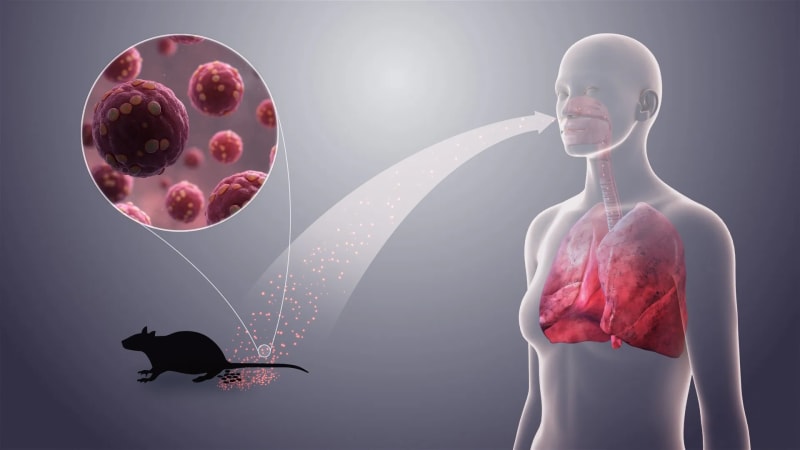
Ebola spreads through direct contact with the blood or bodily fluids of infected people or animals, or with surfaces contaminated by these fluids. It is not airborne.
What are the symptoms of Ebola?
Early symptoms include fever, fatigue, muscle pain, and headache. These can progress to vomiting, diarrhea, rash, and internal or external bleeding. Symptoms typically appear within 2 to 21 days of exposure.
Is there a vaccine for Ebola?
Yes, an experimental vaccine (rVSV ZEBOV) has been used in the DRC outbreak and has shown promise in preventing infection. However, global supplies remain limited, and WHO is calling for increased production.
Should I avoid travel to the DRC or neighboring countries?
The WHO advises travelers to monitor official advisories and avoid non essential travel to high risk areas. Countries with direct links to the DRC are enhancing screening at borders and airports.
Medical Review: MedSense Editorial Board















DISCUSSION (0)
POST A COMMENT