
Lagos State is grappling with yet another public health crisis as torrential weekend rains left major roads submerged, homes flooded, and thousands of residents stranded. The latest deluge, which lasted for hours on Sunday, has reignited frustration over the city’s chronic flooding problem, with critics accusing authorities of failing to address long standing drainage and infrastructure deficiencies. Beyond the immediate chaos, health experts warn that stagnant floodwaters pose serious risks, from waterborne illnesses to vector borne diseases, compounding the humanitarian toll of the disaster.
What Happened
Heavy rainfall across Lagos over the weekend triggered severe flooding, paralyzing transportation, disrupting businesses, and forcing residents to navigate waterlogged streets. Videos and images circulating on social media showed cars abandoned on flooded highways, homes with water reaching waist level, and markets submerged under murky water. The downpour, described by meteorologists as one of the heaviest in recent months, exposed the city’s vulnerability to climate related disasters.
Why Public Health Officials Are Concerned
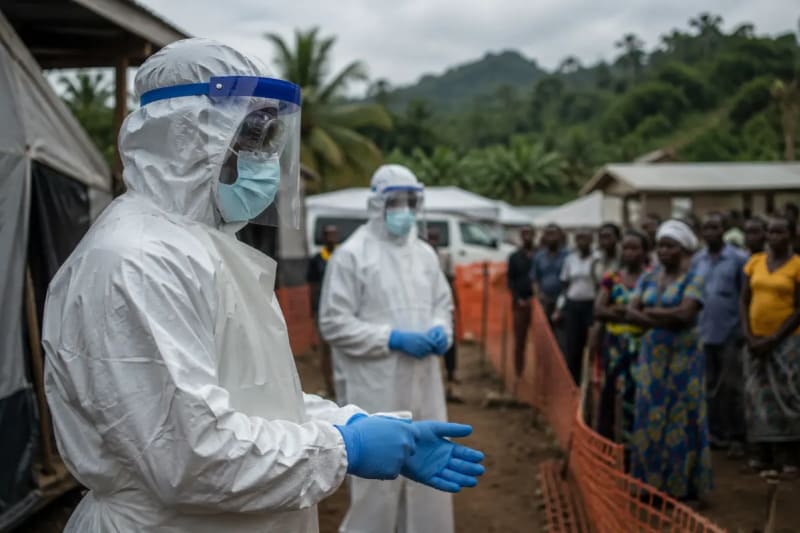
Flooding in urban centers like Lagos is not just an infrastructure failure, it is a public health emergency. Stagnant water becomes a breeding ground for mosquitoes, increasing the risk of malaria and dengue fever. Contaminated floodwaters can also spread cholera, typhoid, and leptospirosis, particularly in densely populated areas with poor sanitation. The Lagos State Ministry of Health has previously documented spikes in diarrheal diseases following major flooding events, underscoring the need for rapid response to mitigate outbreaks.
Who May Be Affected
The most vulnerable populations include residents in low lying areas, informal settlements, and communities with inadequate drainage systems. Children, the elderly, and individuals with pre existing health conditions are at higher risk of waterborne illnesses. Small business owners, particularly those in markets and roadside stalls, face economic losses, while commuters endure prolonged exposure to unsanitary conditions, increasing their susceptibility to infections.
Government Response
The Lagos State Government has attributed the flooding to blocked drainage channels and illegal construction on waterways. In a statement, officials urged residents to avoid dumping refuse in gutters and canals, while promising to deploy emergency teams to clear debris. However, critics argue that these measures are reactive rather than preventive, calling for long term solutions such as improved urban planning, flood resistant infrastructure, and early warning systems.
Prevention and Safety Guidance
Residents can take immediate steps to reduce health risks during flooding:
- Avoid contact with floodwater, which may be contaminated with sewage or industrial waste.
- Boil or treat drinking water to prevent waterborne diseases.
- Use mosquito repellents and sleep under insecticide treated nets to reduce malaria risk.
- Disinfect flooded homes and belongings with bleach solutions to prevent mold and bacterial growth.
- Seek medical attention if symptoms like diarrhea, fever, or skin infections develop after exposure to floodwater.
What Readers Should Know
Lagos’s flooding crisis is a recurring issue with deep rooted causes, including rapid urbanization, poor waste management, and climate change. While short term relief efforts are critical, sustainable solutions require coordinated action between government agencies, urban planners, and communities. Residents are encouraged to stay informed through official channels, report blocked drains, and participate in local clean up initiatives to reduce future risks.
Key Takeaways
- Recurrent flooding in Lagos poses serious public health risks, including waterborne and vector borne diseases.
- Vulnerable groups, children, the elderly, and those in low lying areas, face the highest health threats.
- Preventive measures like avoiding floodwater, treating drinking water, and using mosquito nets can reduce risks.
- Long term solutions require improved urban planning, drainage systems, and climate resilience strategies.
Frequently Asked Questions
What diseases can spread through floodwater?
Floodwater can carry bacteria, viruses, and parasites that cause cholera, typhoid, leptospirosis, hepatitis A, and diarrheal illnesses. Mosquitoes breeding in stagnant water also increase the risk of malaria and dengue fever.
How can I protect my family during flooding?
Avoid wading through floodwater, boil or treat drinking water, use mosquito repellents, and disinfect your home after flooding. Seek medical help if you experience fever, diarrhea, or skin infections.
Why does Lagos flood so frequently?
Factors include inadequate drainage systems, illegal construction on waterways, poor waste management, and rising sea levels due to climate change. Rapid urbanization has also reduced natural water absorption areas.
What is the government doing to address the issue?
Authorities are deploying emergency teams to clear blocked drains and urging residents to avoid dumping waste in canals. However, critics say these efforts are insufficient without long term infrastructure upgrades and urban planning reforms.
Medical Review: MedSense Editorial Board













DISCUSSION (0)
POST A COMMENT