
What Happened
Nonye Soludo, founder of the NGO Healthy Living with Nonye Soludo, delivered a public address emphasizing the critical role of preventive health in personal and economic development. She described good health as the “greatest investment” individuals can make, arguing that a healthy population is essential for sustained productivity, reduced healthcare costs, and long term community growth. The initiative aligns with broader efforts by state governments in Nigeria to improve public health outcomes amid constrained resources and competing priorities.
Why Public Health Officials Are Concerned
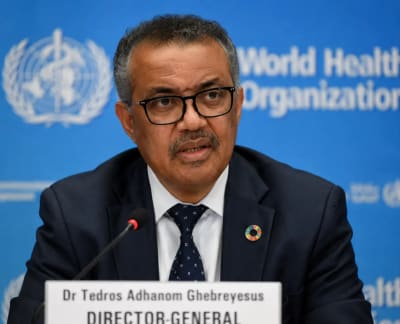
Nigeria’s health indicators reveal a system under strain. According to the World Health Organization, non communicable diseases now account for nearly 30% of deaths in the country, with cardiovascular conditions, diabetes, and cancers on the rise. Meanwhile, infectious diseases like malaria, tuberculosis, and vaccine preventable illnesses continue to burden households, particularly in low income communities. Public health experts warn that without a stronger focus on prevention, through regular screenings, vaccination, nutrition, and lifestyle changes, the healthcare system risks being overwhelmed by preventable conditions. Soludo’s advocacy highlights a growing recognition that health education and early intervention can ease this pressure.
Who May Be Affected
The message resonates most with working age adults, parents, and caregivers in Anambra State, where access to healthcare varies widely between urban and rural areas. Women, who often serve as primary health decision makers for families, are a key audience. The call also extends to policymakers, community leaders, and employers, who play a role in shaping environments that either support or hinder healthy behaviors. For low income households, the emphasis on prevention could mean the difference between financial stability and medical debt, a common consequence of untreated chronic conditions.
Prevention and Safety Guidance
Soludo’s organization promotes several practical steps residents can take to safeguard their health:
- Regular health screenings: Early detection of conditions like hypertension, diabetes, and cervical cancer can prevent complications and reduce treatment costs.
- Vaccination: Ensuring children and adults are up to date on immunizations protects against preventable diseases like measles, polio, and tetanus.
- Nutrition and physical activity: A balanced diet rich in local staples like vegetables, lean proteins, and whole grains, combined with regular exercise, can lower the risk of obesity and related illnesses.
- Mental health awareness: Stress, anxiety, and depression are often overlooked but can have profound effects on physical health and productivity.
- Hygiene practices: Simple measures like handwashing, safe food handling, and clean water access can prevent infections and improve overall wellbeing.
What Readers Should Know
Health is not just a personal responsibility but a collective one. When individuals prioritize their wellbeing, they contribute to a healthier, more resilient community. For residents of Anambra State, Soludo’s message serves as a reminder that small, consistent actions, like scheduling an annual check up or choosing water over sugary drinks, can yield long term benefits. The challenge lies in making these choices accessible and affordable, particularly for those in underserved areas. As the state explores ways to strengthen its healthcare infrastructure, grassroots advocacy like this could play a pivotal role in shifting cultural attitudes toward health.
For those inspired to take action, local health centers and community organizations often offer free or low cost screenings, vaccination drives, and wellness workshops. Engaging with these resources can be a first step toward building a healthier future, for individuals, families, and the state as a whole.
Key Takeaways
- Preventive health is a cost effective strategy to reduce the burden of disease and healthcare costs in Nigeria.
- Small lifestyle changes, such as regular screenings and balanced nutrition, can significantly improve long term health outcomes.
- Community wide health advocacy can drive cultural shifts toward prioritizing wellbeing as a public good.
Frequently Asked Questions
Why is preventive health important in Nigeria?
Preventive health helps detect and manage conditions early, reducing the risk of severe illness, medical debt, and strain on the healthcare system. It is especially critical in Nigeria, where non communicable diseases are rising and access to care is uneven.
What are some simple steps to improve personal health?
Regular health screenings, vaccination, a balanced diet, physical activity, good hygiene, and mental health awareness are key steps. These measures can prevent many common diseases and improve overall quality of life.
How can communities support preventive health efforts?
Communities can organize health education campaigns, advocate for better access to care, and create environments that encourage healthy behaviors, such as safe spaces for exercise and markets for fresh, affordable produce.
Medical Review: MedSense Editorial Board












DISCUSSION (0)
POST A COMMENT