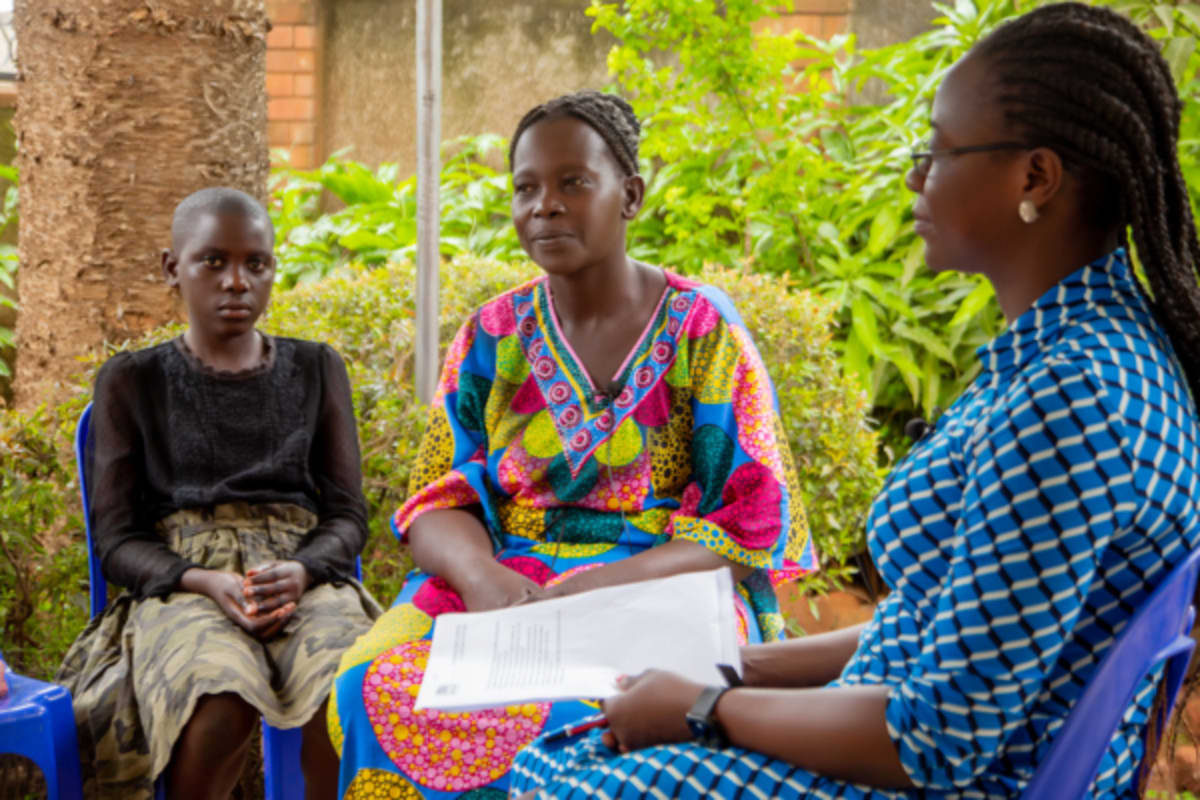
Survivors of severe malaria in childhood may face lifelong cognitive impairments, according to new research that underscores the hidden toll of the disease beyond mortality rates. A study published in JAMA by investigators at Indiana University School of Medicine and Makerere University in Uganda tracked children recovering from cerebral malaria and severe malarial anemia, documenting persistent deficits in memory, attention, and problem solving skills years after infection.
What Happened
Researchers followed children who survived severe forms of malaria, including cerebral malaria and severe malarial anemia, and found that many experienced lasting cognitive and academic challenges. The study, published in JAMA, highlights that these impairments often emerge only after recovery, when children struggle in school or social settings despite appearing physically healthy.
Why Public Health Officials Are Concerned
Malaria remains a leading cause of death among children under five in sub Saharan Africa, but this research reveals a secondary crisis: the long term cognitive burden on survivors. The findings suggest that even when children survive malaria, the disease may leave invisible scars that limit educational attainment and future economic opportunities. Public health experts warn that this hidden epidemic could undermine decades of progress in child development and poverty reduction across the region.
Symptoms or Risk Factors
Severe malaria manifests in two primary forms linked to cognitive harm:
- Cerebral malaria, which invades the brain and can cause seizures, coma, and neurological damage.
- Severe malarial anemia, where a dangerous drop in red blood cells deprives the brain of oxygen, leading to long term deficits.
Early symptoms of severe malaria include high fever, convulsions, extreme fatigue, and confusion. Without prompt treatment, these conditions can progress rapidly, increasing the risk of permanent cognitive impairment.
Who May Be Affected
The cognitive consequences of severe childhood malaria disproportionately impact children in malaria endemic regions, particularly in sub Saharan Africa. Survivors of cerebral malaria or severe malarial anemia are at highest risk, but the study suggests that even milder cases may contribute to subtle learning difficulties. Schools and communities in affected areas should be alert to signs of academic or behavioral struggles in children with a history of malaria.
Government or WHO Response
The World Health Organization (WHO) has long prioritized malaria prevention and treatment, but this research highlights the need to expand support for survivors. The WHO’s Global Malaria Programme emphasizes early diagnosis and treatment as critical to reducing severe cases. Additionally, the study’s authors call for increased investment in cognitive rehabilitation programs for children recovering from severe malaria, as well as research into new therapies to mitigate long term damage.
Prevention and Safety Guidance
Public health officials recommend several measures to protect children from severe malaria and its long term effects:
- Use of insecticide treated bed nets and indoor residual spraying to reduce mosquito exposure.
- Prompt medical attention for any child presenting with fever, headache, or fatigue, as early treatment can prevent progression to severe malaria.
- Implementation of school based programs to identify and support children struggling with learning difficulties post recovery.
- Advocacy for increased funding for malaria research, including vaccines and therapies that target both the disease and its cognitive consequences.
What Readers Should Know
While malaria prevention and treatment efforts have saved countless lives, this study reveals a critical gap in global health strategies. The cognitive harm suffered by survivors is not always visible but can have profound, lifelong impacts on education, employment, and economic stability. Parents, healthcare providers, and policymakers must recognize that beating malaria is only the first step; ensuring children reach their full potential requires sustained support and intervention.
Key Takeaways
- Survivors of severe childhood malaria, particularly cerebral malaria and severe malarial anemia, may face lifelong cognitive impairments affecting memory, attention, and problem solving skills.
- The cognitive toll of malaria threatens educational attainment and future economic opportunities for millions of children in sub Saharan Africa.
- Early diagnosis and treatment of malaria are critical to preventing severe cases that lead to long term brain damage.
- Public health strategies must expand beyond mortality reduction to include cognitive rehabilitation and support for survivors.
- Schools and communities play a key role in identifying and assisting children with learning difficulties post recovery.
Frequently Asked Questions
How common are cognitive impairments in children who survive severe malaria?
Research indicates that a significant proportion of children who survive severe malaria, particularly cerebral malaria or severe malarial anemia, experience persistent cognitive deficits. However, the exact prevalence varies by study and region. The JAMA study tracked children over several years, documenting measurable impairments in memory, attention, and problem solving skills.
What are the early signs of severe malaria in children?
Early symptoms of severe malaria include high fever, convulsions, extreme fatigue, confusion, and difficulty breathing. Parents and caregivers should seek immediate medical attention if these symptoms appear, as delayed treatment increases the risk of neurological damage and long term cognitive harm.
Are there effective treatments to reverse cognitive damage from malaria?
Currently, there are no proven treatments to fully reverse cognitive damage caused by severe malaria. However, early intervention with antimalarial medications can prevent progression to severe forms of the disease. Rehabilitation programs, including educational support and cognitive therapy, may help mitigate some of the long term effects.
What can parents do to protect their children from severe malaria?
Parents can reduce the risk of severe malaria by ensuring their children sleep under insecticide treated bed nets, using indoor residual spraying in homes, and seeking prompt medical care for any signs of fever or illness. Following national guidelines for malaria prevention and vaccination is also critical.
How can schools support children who have survived severe malaria?
Schools can implement screening programs to identify children struggling with learning difficulties, provide additional academic support, and create inclusive environments that accommodate potential cognitive challenges. Teachers should be trained to recognize signs of impairment and refer students for further evaluation if needed.
Medical Review: MedSense Editorial Board











DISCUSSION (0)
POST A COMMENT