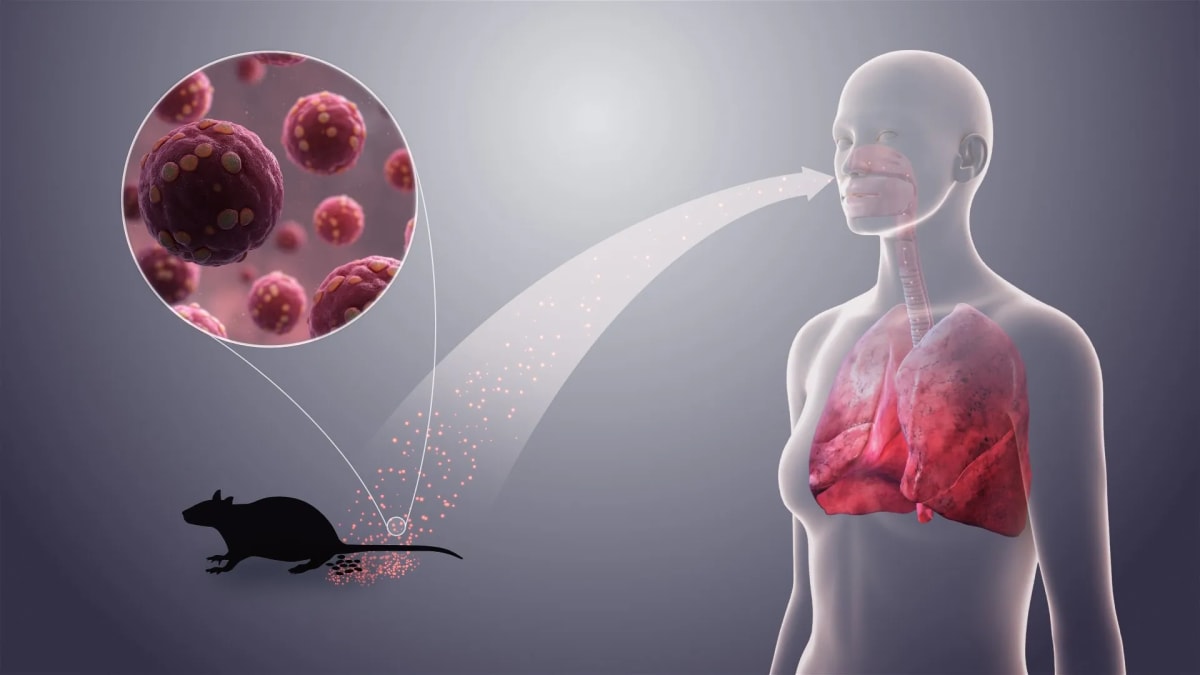
Nigerian health authorities and infectious disease experts are raising alarms over a growing hantavirus threat, citing a combination of rodent borne transmission risks, fragile healthcare infrastructure, and weak disease surveillance systems. While hantavirus remains rare in Nigeria, the country’s vulnerability to rodent infestations and limited diagnostic capacity has prompted urgent calls for strengthened public health measures.
What Happened
Public health officials in Nigeria are monitoring hantavirus transmission risks following reports of rodent infestations in urban and rural communities. The virus, primarily spread through contact with infected rodents or their droppings, has raised concerns due to Nigeria’s dense rodent populations and limited laboratory capacity to detect the pathogen. While no large scale outbreaks have been confirmed, experts warn that the conditions for transmission are present.
Why Public Health Officials Are Concerned
Virologists and epidemiologists point to several factors that elevate Nigeria’s risk of hantavirus transmission. The country’s rodent populations thrive in both urban and rural environments, increasing human exposure risks. Additionally, underfunded disease surveillance systems and a shortage of diagnostic laboratories delay early detection, making containment more difficult. Global travel and trade further complicate efforts by introducing the potential for imported cases from regions where hantavirus is more common.
According to the Nigeria Centre for Disease Control (NCDC), the country’s ability to respond to emerging infectious diseases is constrained by limited resources, including laboratory equipment and trained personnel. The NCDC has emphasized the need for improved surveillance and rapid diagnostic capabilities to address gaps in disease detection.
Symptoms or Risk Factors
Hantavirus infection can lead to hantavirus pulmonary syndrome (HPS), a severe respiratory illness with a high fatality rate. Early symptoms include fever, muscle aches, and fatigue, which may progress to coughing, shortness of breath, and fluid accumulation in the lungs. The virus is primarily transmitted through inhalation of aerosolized rodent droppings, urine, or saliva, though direct contact with infected rodents can also pose a risk.
Health officials note that hantavirus symptoms can resemble those of other rodent borne diseases, such as Lassa fever, which is endemic in Nigeria. This overlap complicates diagnosis, particularly in regions where Lassa fever is already a public health priority.
Who May Be Affected
Individuals at higher risk of hantavirus exposure include those living in rodent infested environments, such as rural farming communities, urban slums, and areas with poor sanitation. Occupational risks are also a concern for farmers, construction workers, and sanitation employees who may encounter rodents in their daily activities. Travelers returning from regions where hantavirus is more prevalent may also face an elevated risk of exposure.
The Nigeria Centre for Disease Control has urged healthcare providers to maintain a high index of suspicion for hantavirus in patients presenting with unexplained respiratory symptoms, particularly those with a history of rodent exposure.
Government or WHO Response
The Nigeria Centre for Disease Control (NCDC) has called for strengthened disease surveillance and laboratory capacity to improve early detection of hantavirus cases. The agency is collaborating with state health departments to enhance rodent control programs and public awareness campaigns. The World Health Organization (WHO) has also provided technical support to Nigeria, focusing on training healthcare workers and improving diagnostic testing.
In a recent statement, the NCDC highlighted the need for cross border collaboration to monitor and contain potential hantavirus cases, given the country’s porous borders and high volume of cross border travel.
Prevention and Safety Guidance
Public health officials recommend several measures to reduce the risk of hantavirus transmission:
- Avoid contact with rodents and their droppings, particularly in enclosed spaces such as sheds, barns, or basements.
- Use protective gear, such as gloves and masks, when cleaning rodent infested areas.
- Seal entry points to homes and buildings to prevent rodent infestations.
- Practice good hygiene, including regular handwashing after handling materials that may be contaminated.
- Store food in rodent proof containers and maintain clean living environments to deter rodent activity.
The NCDC has also advised healthcare providers to report suspected hantavirus cases immediately to facilitate rapid investigation and response.
What Readers Should Know
While hantavirus remains a rare threat in Nigeria, the combination of rodent exposure risks and limited healthcare infrastructure underscores the importance of vigilance. Early symptoms of hantavirus infection can be nonspecific, making diagnosis challenging without proper testing. Individuals with a history of rodent exposure who develop fever, muscle aches, or respiratory symptoms should seek medical attention promptly.
Public health experts emphasize that prevention is the most effective strategy, given the lack of specific treatments for hantavirus. Strengthening disease surveillance, improving laboratory capacity, and enhancing public awareness are critical steps to mitigate the risk of an outbreak.
Key Takeaways
- Hantavirus is primarily spread through contact with infected rodents or their droppings, posing a risk in rodent infested environments.
- Nigeria’s weak disease surveillance and limited laboratory capacity delay early detection of hantavirus cases.
- Symptoms of hantavirus infection include fever, muscle aches, and respiratory distress, which can progress to severe illness.
- Prevention measures such as rodent control, protective gear, and hygiene practices are critical to reducing transmission risks.
- The Nigeria Centre for Disease Control (NCDC) and WHO are working to strengthen surveillance and diagnostic capacity in Nigeria.
Frequently Asked Questions
What is hantavirus and how is it transmitted?
Hantavirus is a rodent borne virus that can cause hantavirus pulmonary syndrome (HPS), a severe respiratory illness. It is primarily transmitted through inhalation of aerosolized rodent droppings, urine, or saliva, though direct contact with infected rodents can also pose a risk.
What are the symptoms of hantavirus infection?
Early symptoms of hantavirus infection include fever, muscle aches, and fatigue. These may progress to coughing, shortness of breath, and fluid accumulation in the lungs, indicating the development of hantavirus pulmonary syndrome (HPS).
Who is at highest risk of hantavirus exposure in Nigeria?
Individuals living in rodent infested environments, such as rural farming communities, urban slums, and areas with poor sanitation, are at higher risk. Occupational risks also exist for farmers, construction workers, and sanitation employees.
What is Nigeria doing to address the hantavirus risk?
The Nigeria Centre for Disease Control (NCDC) is working to strengthen disease surveillance, improve laboratory capacity, and enhance public awareness campaigns. The agency is also collaborating with state health departments to improve rodent control programs.
How can I reduce my risk of hantavirus infection?
To reduce hantavirus risk, avoid contact with rodents and their droppings, use protective gear when cleaning rodent infested areas, seal entry points to homes, practice good hygiene, and store food in rodent proof containers.
Medical Review: MedSense Editorial Board









DISCUSSION (0)
POST A COMMENT