
What Happened
The University of Ibadan recently held its third induction ceremony for graduates of its Environmental Health program. The event celebrated the completion of rigorous academic and practical training designed to prepare professionals for roles in disease prevention, environmental protection, and public health management. This cohort joins a growing workforce tasked with addressing some of the most pressing health challenges of our time.
Why Public Health Officials Are Concerned
Environmental health is often an invisible but critical layer of public health infrastructure. In Nigeria, where preventable diseases like cholera, typhoid, and diarrheal illnesses remain persistent threats, the role of environmental health professionals is more vital than ever. These experts are trained to identify and mitigate risks in water quality, waste management, food safety, and air pollution, factors that directly influence disease transmission and community health outcomes.
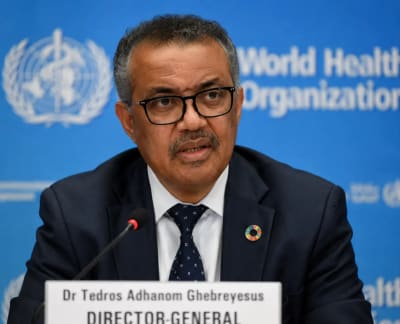
The World Health Organization estimates that nearly 25% of global deaths are linked to environmental risks, including unsafe water, poor sanitation, and air pollution. In low and middle income countries, these risks are even more pronounced. The induction of these graduates signals a proactive step toward building capacity to tackle these challenges at the local level.
Who May Be Affected
The impact of environmental health professionals extends far beyond individual patients. Their work benefits entire communities, particularly in underserved and rural areas where access to clean water, sanitation, and safe food is limited. Vulnerable populations, such as children, the elderly, and those with compromised immune systems, stand to gain the most from improved environmental health practices.
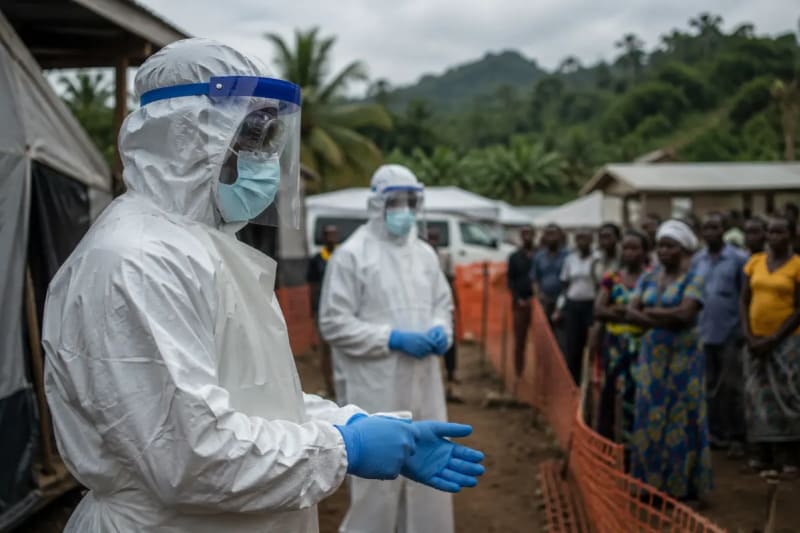
Additionally, industries, government agencies, and non governmental organizations rely on these professionals to ensure compliance with health and safety regulations. Their expertise is also critical in emergency response scenarios, such as disease outbreaks or environmental disasters.
Government and Institutional Response
The University of Ibadan has positioned itself as a leader in environmental health education in Nigeria. By expanding its program and inducting its third cohort, the institution is responding to the national and global demand for skilled public health professionals. The graduates are expected to fill roles in government health agencies, private sector organizations, and international health bodies.
While specific government initiatives were not detailed in the induction ceremony, the presence of these graduates aligns with Nigeria’s broader public health goals, including the reduction of waterborne and sanitation related diseases. Their training also supports the United Nations Sustainable Development Goals, particularly those related to clean water, sanitation, and sustainable cities.
Prevention and Safety Guidance
Environmental health professionals focus on prevention rather than treatment. Their work includes:
- Water Quality Monitoring: Testing and ensuring the safety of drinking water sources to prevent waterborne diseases like cholera and dysentery.
- Sanitation Management: Designing and implementing waste disposal systems to reduce contamination and disease spread.
- Food Safety Oversight: Inspecting food production and distribution processes to prevent outbreaks of foodborne illnesses.
- Air Quality Control: Assessing and mitigating air pollution in urban and industrial areas to reduce respiratory diseases.
- Vector Control: Managing mosquito and rodent populations to prevent diseases like malaria and Lassa fever.
For communities, the presence of these professionals can lead to improved health outcomes, reduced healthcare costs, and a higher quality of life.
What Readers Should Know
Environmental health is a field that operates largely behind the scenes, yet its impact is profound. The induction of these graduates is a reminder of the importance of investing in preventive health measures. For policymakers, it highlights the need to create more opportunities for environmental health professionals in both the public and private sectors.
For students and young professionals, this field offers a unique opportunity to make a tangible difference in public health. Unlike clinical roles that focus on individual patients, environmental health professionals have the potential to improve the health of entire populations.
As Nigeria and other countries continue to grapple with environmental and health challenges, the role of these professionals will only become more critical. Their work is not just about managing risks, it’s about building healthier, more resilient communities for the future.
Key Takeaways
- The University of Ibadan has inducted its third cohort of environmental health graduates, marking a step forward in Nigeria’s public health capacity.
- Environmental health professionals play a crucial role in disease prevention by addressing risks like contaminated water, poor sanitation, and air pollution.
- Their work benefits vulnerable populations, industries, and government agencies, particularly in underserved and rural areas.
- The field aligns with global health goals, including the UN Sustainable Development Goals for clean water, sanitation, and sustainable cities.
- Investing in environmental health education and workforce development is essential for reducing preventable diseases and improving community well being.
Frequently Asked Questions
What is environmental health?
Environmental health is a branch of public health focused on identifying and mitigating environmental factors that can harm human health. This includes managing water and air quality, sanitation, food safety, and vector control to prevent disease and promote well being.
Why is environmental health important in Nigeria?
Nigeria faces significant public health challenges related to environmental risks, such as waterborne diseases, poor sanitation, and air pollution. Environmental health professionals help address these issues by implementing preventive measures and improving community health infrastructure.
What career opportunities are available for environmental health graduates?
Graduates can work in government health agencies, private sector organizations, non governmental organizations, and international health bodies. Roles include water quality inspectors, sanitation managers, food safety officers, and public health advisors.
How does environmental health differ from clinical medicine?
While clinical medicine focuses on diagnosing and treating individual patients, environmental health emphasizes prevention by addressing the root causes of illness, such as pollution, unsafe water, and poor sanitation, that affect entire communities.
What skills do environmental health professionals need?
Key skills include risk assessment, data analysis, public health policy knowledge, and the ability to design and implement health and safety programs. Strong communication skills are also essential for educating communities and stakeholders.
Medical Review: MedSense Editorial Board












DISCUSSION (0)
POST A COMMENT