
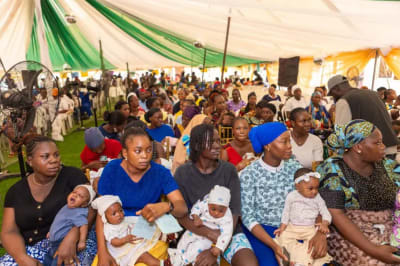
The United Nations Children’s Fund has announced a renewed focus on child protection in Nigeria, where six out of every 10 children experience abuse. The agency’s new country strategy prioritizes ending child marriage, improving birth registration, and expanding access to essential services for vulnerable children. With millions still excluded from basic protections, UNICEF aims to strengthen interventions to address systemic gaps in child welfare across the country.
What We Know
The United Nations Children’s Fund has revealed that six in 10 Nigerian children experience some form of abuse, prompting a strategic shift in its interventions. The agency’s new country program for 2023 to 2027 places child protection at the forefront, targeting three critical areas: abuse, child marriage, and birth registration. These issues disproportionately affect vulnerable children, many of whom remain excluded from essential services.
UNICEF’s data underscores the urgency of the situation. Nigeria has one of the highest rates of child marriage globally, with 43% of girls married before age 18. Birth registration remains alarmingly low, with only 43% of children under five officially registered. Without legal identity, these children face barriers to education, healthcare, and social protection. The agency’s strategy aims to close these gaps by strengthening systems and expanding outreach to underserved communities.
Why This Matters
The scale of child abuse in Nigeria reflects broader systemic failures in child protection. Violence against children takes many forms, including physical, emotional, and sexual abuse, as well as neglect. These experiences can have lifelong consequences, affecting mental health, education, and economic opportunities. Child marriage, another priority for UNICEF, perpetuates cycles of poverty and limits girls’ potential, while poor birth registration leaves millions invisible to policymakers.
UNICEF’s focus on these issues aligns with Nigeria’s commitments under the Sustainable Development Goals, particularly Goal 16.2, which calls for the end of abuse, exploitation, trafficking, and all forms of violence against children. However, progress has been slow, hindered by cultural norms, weak enforcement of existing laws, and limited resources for child protection services. The agency’s new strategy seeks to address these challenges by working with government agencies, civil society, and communities to create a more protective environment for children.
Response Efforts
UNICEF’s new country program outlines a multi pronged approach to child protection. Key initiatives include strengthening legal frameworks to prosecute abusers, expanding birth registration through mobile technology, and launching community based programs to prevent child marriage. The agency will also prioritize advocacy, pushing for stronger policies and increased funding for child welfare programs.
Partnerships will play a crucial role in the strategy’s success. UNICEF plans to collaborate with Nigeria’s National Population Commission to improve birth registration rates, while working with traditional and religious leaders to shift attitudes toward child marriage. Schools and healthcare providers will be engaged to identify and support at risk children, ensuring early intervention in cases of abuse or neglect.
Public Health Impact
The consequences of child abuse extend beyond individual suffering, posing significant public health challenges. Children who experience violence are more likely to develop mental health disorders, engage in risky behaviors, and suffer from chronic illnesses later in life. The economic cost is also substantial, with lost productivity and increased healthcare expenses straining Nigeria’s already overburdened systems.
Improving birth registration could have far reaching benefits. Registered children are more likely to access education and healthcare, while governments can better plan and allocate resources for child welfare programs. Ending child marriage would reduce maternal mortality rates, as young brides face higher risks of complications during pregnancy and childbirth. These interventions could contribute to Nigeria’s broader development goals, including poverty reduction and gender equality.
Expert Perspective
"The data on child abuse in Nigeria is deeply concerning, but it also presents an opportunity for action," said Dr. Salma Anas, a child protection specialist with UNICEF Nigeria. "By focusing on prevention, legal reform, and community engagement, we can create a safer environment for children. However, success will require sustained commitment from all stakeholders, including government, civil society, and families."
Experts emphasize that cultural change is essential. Many forms of abuse, such as corporal punishment and child marriage, are often normalized in Nigerian society. Public awareness campaigns and education programs will be critical in shifting these attitudes and promoting child rights.
Key Takeaways
- Six in 10 Nigerian children experience abuse, prompting UNICEF to prioritize child protection in its new country strategy.
- The agency’s focus areas include ending child marriage, improving birth registration, and expanding access to essential services for vulnerable children.
- Systemic challenges, including weak legal enforcement and cultural norms, hinder progress, but partnerships and advocacy could drive change.
Frequently Asked Questions
What are the main forms of child abuse in Nigeria?
Child abuse in Nigeria includes physical, emotional, and sexual violence, as well as neglect and harmful practices like child marriage.
Why is birth registration important for child protection?
Birth registration provides legal identity, enabling access to education, healthcare, and social services while helping governments plan for child welfare.
How can communities help prevent child abuse?
Communities can support prevention by reporting abuse, advocating for child rights, and participating in awareness programs to shift harmful cultural norms.
Published by O. Ayodeji John | Review by MedSense Editorial Board









DISCUSSION (0)
POST A COMMENT