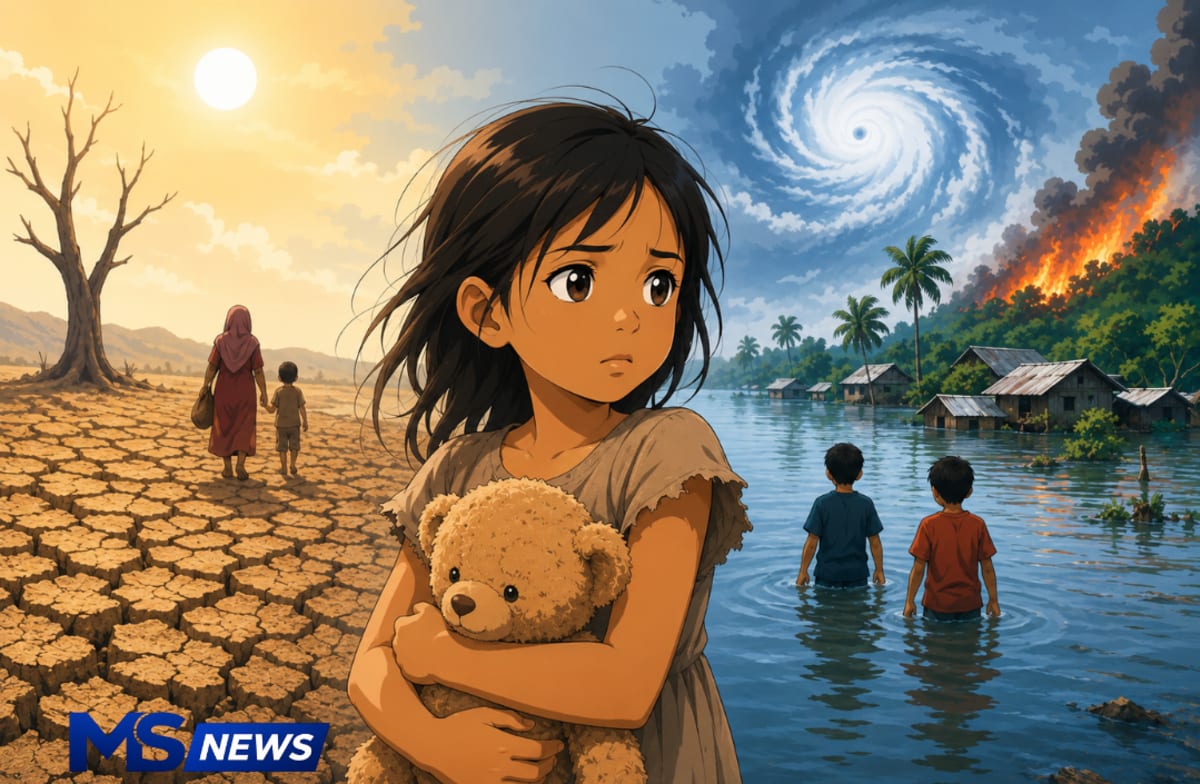
More than one billion children globally are now exposed to at least three severe climate hazards simultaneously, according to a stark new assessment from UNICEF. The report, released Monday, paints a grim picture of how rising temperatures, extreme weather, and environmental degradation are reshaping childhoods, particularly in the world’s most vulnerable regions. With climate risks intensifying, public health experts warn that an entire generation faces long term physical and psychological consequences unless urgent action is taken to mitigate these threats and strengthen resilience in affected communities.
What Happened
UNICEF’s latest analysis reveals that over half of the world’s children, approximately 1 billion, are exposed to three or more climate related risks, including heatwaves, cyclones, air pollution, flooding, and water scarcity. The report, based on comprehensive geospatial data, highlights that children in low and middle income countries bear the brunt of these overlapping hazards, with those in sub Saharan Africa and South Asia facing the highest levels of exposure.
Why Public Health Officials Are Concerned
Children are uniquely vulnerable to climate hazards due to their developing immune systems, higher metabolic rates, and dependence on caregivers. The report underscores that repeated exposure to extreme weather events and environmental toxins can lead to malnutrition, respiratory illnesses, waterborne diseases, and mental health challenges such as anxiety and post traumatic stress. Public health officials warn that without intervention, these risks could reverse decades of progress in child health and development.
Who May Be Affected
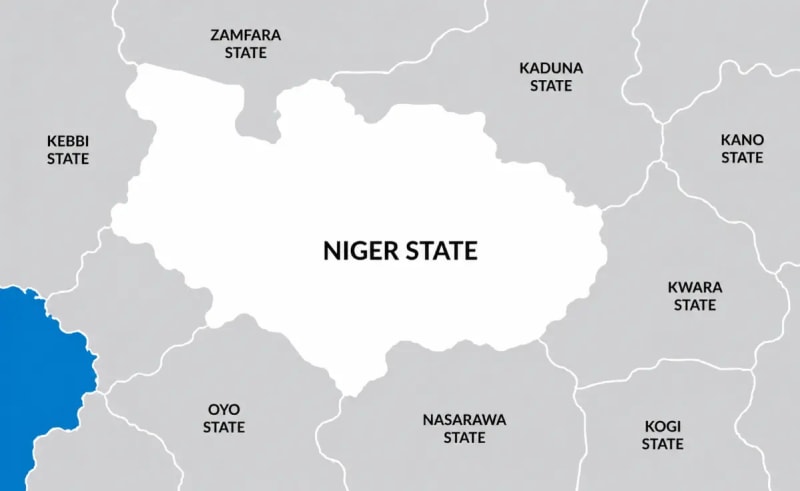
The most affected populations are concentrated in regions with limited infrastructure and healthcare resources. Children in countries like Chad, Nigeria, and Bangladesh face the highest cumulative risks, while those in wealthier nations are not immune, particularly marginalized communities in urban areas with poor air quality or flood prone zones. The report also notes that girls, children with disabilities, and those living in poverty are disproportionately impacted due to systemic inequalities.
Government and WHO Response
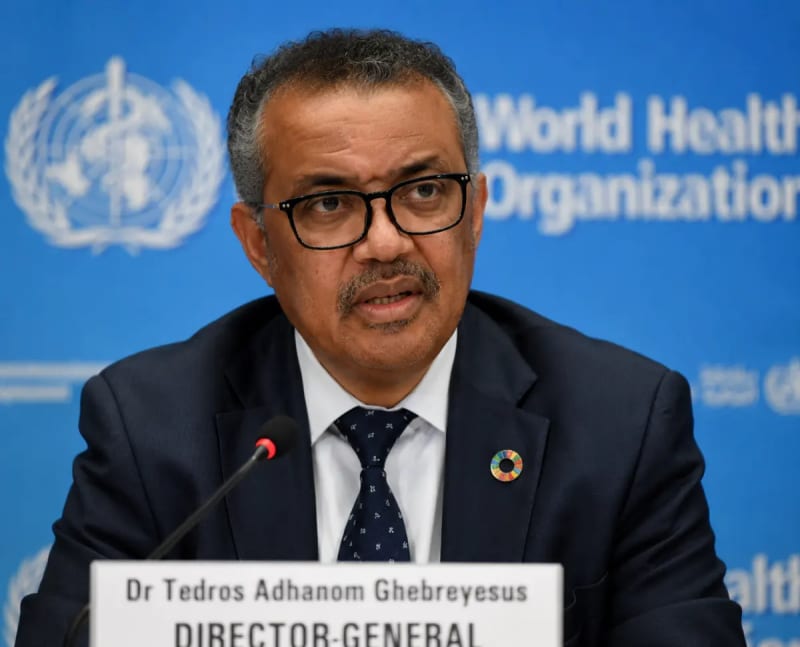
UNICEF is urging governments to prioritize climate adaptation strategies that protect children, including investments in resilient healthcare systems, clean water access, and disaster preparedness programs. The World Health Organization has echoed these concerns, emphasizing the need for integrated policies that address both climate change and child health. However, experts caution that current global commitments remain insufficient to meet the scale of the crisis.
Prevention and Safety Guidance
While large scale systemic change is critical, families and communities can take steps to reduce risks. UNICEF recommends:
- Ensuring access to clean drinking water and nutritious food to combat malnutrition.
- Improving ventilation and reducing outdoor activity during extreme heat or poor air quality days.
- Developing emergency plans for floods, cyclones, or other disasters, including safe evacuation routes.
- Strengthening mental health support for children exposed to climate related trauma.
What Readers Should Know
This report is not just a warning, it is a call to action. The climate crisis is no longer a distant threat but a present reality for millions of children. While the findings are sobering, they also provide a roadmap for policymakers, healthcare providers, and communities to prioritize child centered climate solutions. For parents and caregivers, awareness and preparedness can make a critical difference in safeguarding children’s health and well being in an increasingly unpredictable climate.
Key Takeaways
- Over 1 billion children worldwide are exposed to three or more climate hazards, with the highest risks in sub Saharan Africa and South Asia.
- Climate change exacerbates malnutrition, respiratory illnesses, waterborne diseases, and mental health challenges in children.
- Urgent action is needed to strengthen healthcare systems, improve disaster preparedness, and address systemic inequalities to protect vulnerable populations.
Frequently Asked Questions
Which regions have the highest number of children exposed to climate risks?
Sub Saharan Africa and South Asia are the most affected regions, with children facing multiple overlapping hazards such as heatwaves, flooding, and air pollution.
How does climate change specifically impact children’s health?
Children are more susceptible to climate related health issues due to their developing bodies. Risks include heat stress, respiratory diseases from air pollution, malnutrition from crop failures, and mental health challenges from displacement or trauma.
What can parents do to protect their children from climate hazards?
Parents can ensure access to clean water and nutritious food, limit outdoor activity during extreme heat or poor air quality, create emergency plans for disasters, and seek mental health support if needed.
What is UNICEF recommending to address this crisis?
UNICEF is calling for increased investment in resilient healthcare systems, clean water access, disaster preparedness programs, and policies that prioritize child health in climate adaptation strategies.
Medical Review: MedSense Editorial Board










DISCUSSION (0)
POST A COMMENT