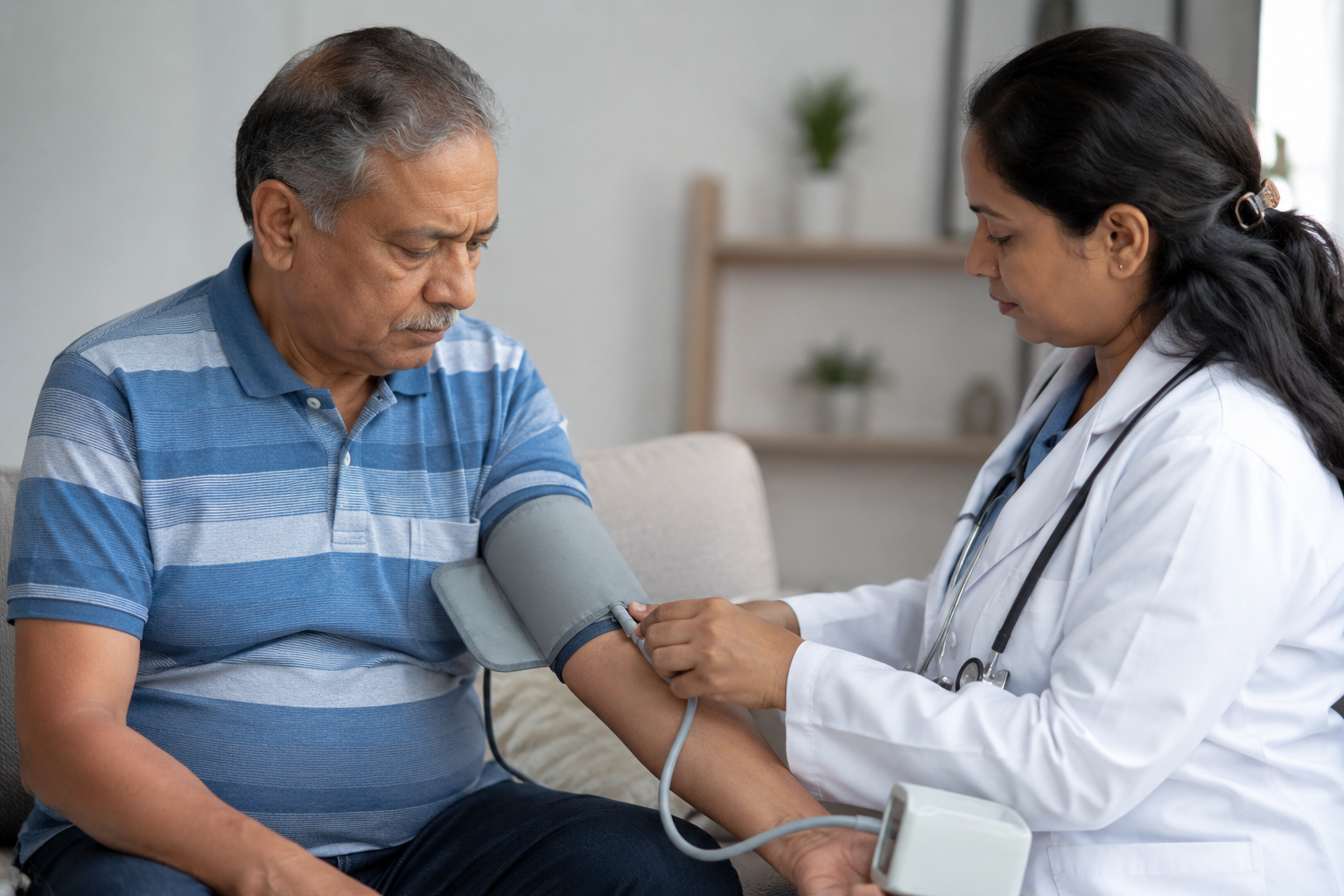
High blood pressure, or hypertension, is often called the "silent killer" because it usually has no obvious symptoms but can quietly damage your heart, blood vessels, brain, and kidneys over time. Nearly half of adults in the United States have hypertension, and many don’t even know it. The good news is that it can be detected easily during routine check ups and managed effectively with lifestyle changes and, when needed, medication. This guide explains what hypertension is, why it matters, and what you can do to keep your blood pressure in a healthy range.
What It Is
Blood pressure is the force of blood pushing against the walls of your arteries as your heart pumps it around your body. Hypertension occurs when this force is consistently too high, putting extra strain on your heart and blood vessels. Blood pressure is measured in millimeters of mercury (mmHg) and recorded as two numbers: systolic pressure (the pressure when your heart beats) over diastolic pressure (the pressure when your heart rests between beats). A normal blood pressure reading is around 120/80 mmHg. Hypertension is generally defined as having a consistent blood pressure reading of 130/80 mmHg or higher.
Why It Matters
When your blood pressure stays high over time, it can lead to serious health problems. The extra strain on your arteries can cause them to become less flexible, which reduces blood flow and oxygen to your organs. Over time, this can contribute to heart disease, stroke, kidney disease, vision loss, and even dementia. Managing hypertension is one of the most important things you can do to protect your long term health and reduce your risk of life threatening complications.
Common Signs or Symptoms
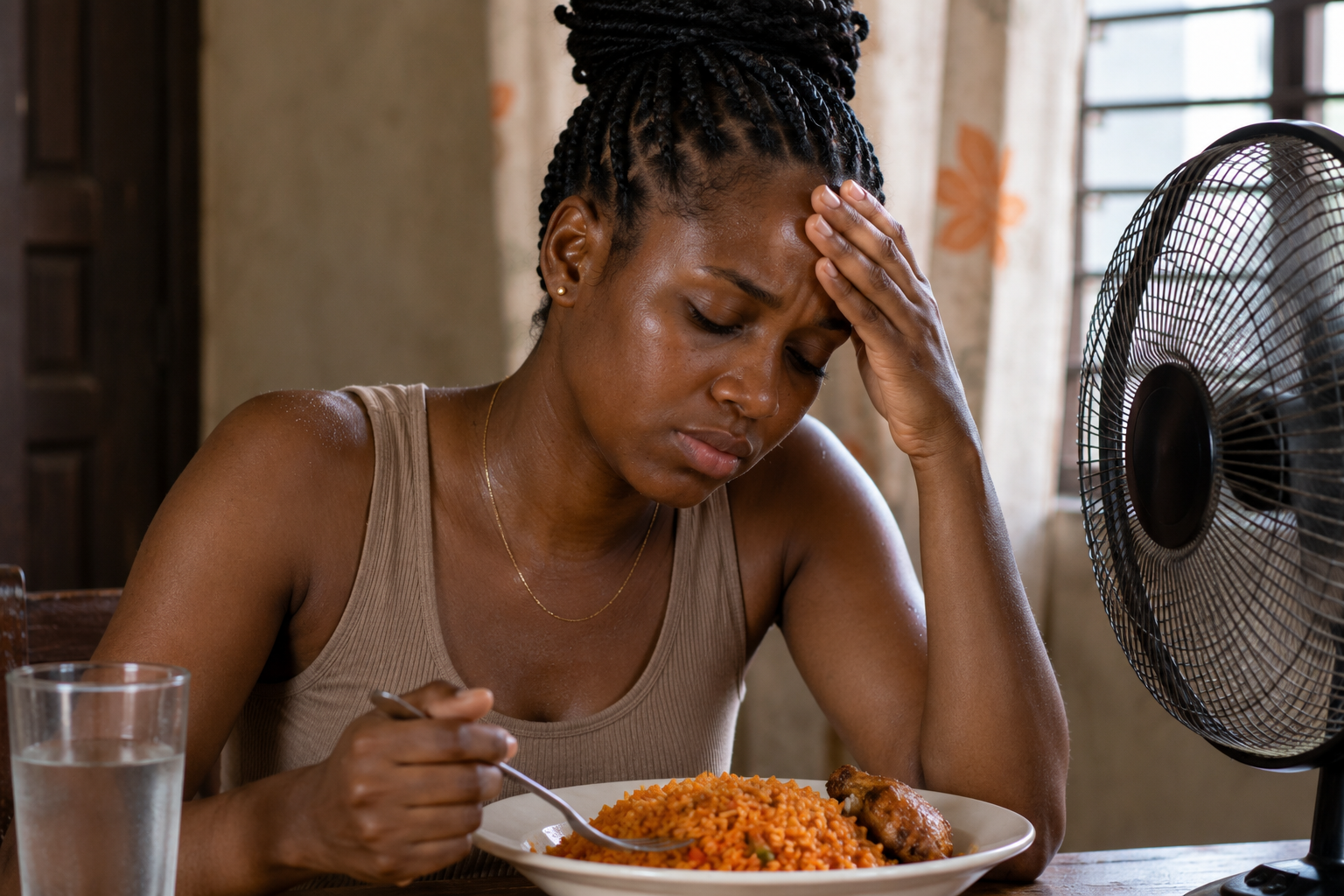
Hypertension is often called the silent killer because most people with high blood pressure don’t feel sick or notice any symptoms, even when their blood pressure reaches dangerously high levels. This is why regular blood pressure checks are so important. In rare cases, very high blood pressure can cause symptoms such as severe headaches, shortness of breath, nosebleeds, chest pain, vision problems, or confusion. If you experience any of these symptoms, seek medical attention immediately, as they may indicate a hypertensive crisis.
Causes or Risk Factors
Hypertension can develop due to a combination of factors. Some people are more likely to develop it because of things they can’t control, like family history, age, or race. For example, your risk increases as you get older, and people of African descent are more likely to develop hypertension at a younger age and with more severe consequences. Other risk factors are related to lifestyle choices, such as eating a diet high in salt, fat, and processed foods; not being physically active; drinking too much alcohol; or smoking. Chronic conditions like obesity, diabetes, and high cholesterol can also contribute to high blood pressure. Stress and poor sleep can play a role as well.
Prevention and Care Tips
Eat a heart healthy diet: Focus on fruits, vegetables, whole grains, lean proteins, and low fat dairy. The DASH (Dietary Approaches to Stop Hypertension) diet is a well researched eating plan that can help lower blood pressure. It emphasizes foods rich in potassium, calcium, and magnesium while limiting sodium, saturated fats, and added sugars.
Stay physically active: Aim for at least 150 minutes of moderate intensity exercise, like brisk walking, cycling, or swimming, each week. Regular activity helps your heart use oxygen more efficiently and can lower your blood pressure by 5 to 8 mmHg.
Limit sodium and alcohol: Too much salt can cause your body to retain water, increasing blood pressure. Try to keep your sodium intake below 2,300 milligrams a day, or 1,500 mg if you have hypertension. Also, limit alcohol to no more than one drink a day for women and two drinks a day for men.
Maintain a healthy weight: If you’re overweight, losing even a small amount of weight can help lower your blood pressure. Every kilogram lost can reduce your blood pressure by about 1 mmHg.
Manage stress: Chronic stress can contribute to high blood pressure. Practice relaxation techniques like deep breathing, meditation, yoga, or tai chi. Make time for hobbies, connect with loved ones, and ensure you’re getting enough restful sleep.
Quit smoking: Smoking damages your blood vessels and raises your blood pressure. Quitting can improve your heart health and reduce your risk of complications from hypertension.
Take your medications as prescribed: If your doctor has prescribed medication to control your blood pressure, take it exactly as directed. Common types of blood pressure medications include ACE inhibitors, beta blockers, diuretics, and calcium channel blockers. Never stop taking your medication without talking to your healthcare provider first.
When to Seek Medical Help
It’s important to monitor your blood pressure regularly, especially if you have risk factors for hypertension. You should see your doctor if your blood pressure readings are consistently above 130/80 mmHg or if you experience symptoms like severe headaches, chest pain, confusion, vision changes, or difficulty breathing. These could be signs of a hypertensive crisis, which requires immediate medical attention. Also, if you’re pregnant, have a family history of hypertension, or have other health conditions like diabetes or kidney disease, talk to your doctor about how often you should check your blood pressure.
What Readers Should Know
Hypertension is common, manageable, and often preventable. Small, consistent changes in your daily habits can make a big difference in keeping your blood pressure under control. Regular check ups with your healthcare provider are key to catching high blood pressure early and preventing complications. Don’t wait for symptoms to appear, take action now to protect your heart and overall health for years to come.
Key Takeaways
- Hypertension is often called the silent killer because it usually has no symptoms but can cause serious health problems over time.
- Regular blood pressure checks are essential, as early detection and management can prevent complications like heart disease, stroke, and kidney damage.
- A heart healthy diet, regular physical activity, limiting sodium and alcohol, maintaining a healthy weight, managing stress, and not smoking can help prevent or control hypertension.
- If prescribed medication, take it as directed and never stop without consulting your healthcare provider.
- Seek immediate medical attention if you experience severe symptoms like headaches, chest pain, or vision changes, which may indicate a hypertensive crisis.
Frequently Asked Questions
Can I lower my blood pressure naturally without medication?
Yes, many people can lower their blood pressure through lifestyle changes alone, especially if their hypertension is mild. Eating a balanced diet like the DASH diet, exercising regularly, reducing sodium intake, limiting alcohol, maintaining a healthy weight, managing stress, and quitting smoking can all help. However, if your blood pressure remains high despite these changes, or if you have severe hypertension, your doctor may recommend medication.
How often should I check my blood pressure at home?
If you have normal blood pressure, checking it once a year during a routine doctor’s visit is usually enough. If you have high blood pressure or are at risk, your doctor may recommend checking it at home regularly, such as once a week or more often if advised. Home monitoring helps you track your progress and notice any changes early.
Does stress really affect blood pressure?
Yes, chronic stress can contribute to high blood pressure by causing your body to produce hormones that temporarily raise your blood pressure. Long term stress can also lead to unhealthy habits like overeating, poor sleep, and lack of exercise, which further increase your risk. Finding healthy ways to manage stress, such as through relaxation techniques or physical activity, can help lower your blood pressure.
Is it safe to exercise if I have high blood pressure?
In most cases, yes. Regular physical activity is one of the best ways to lower your blood pressure. However, if your blood pressure is very high or uncontrolled, check with your doctor before starting a new exercise program. Begin with low to moderate intensity activities like walking or swimming, and gradually increase your intensity as your fitness improves and your blood pressure comes under control.
What foods should I avoid if I have hypertension?
Limit foods high in sodium, such as processed meats, canned soups, pickles, and salty snacks. Also, reduce your intake of saturated fats and trans fats found in fried foods, fatty cuts of meat, and full fat dairy products. Avoid or limit sugary drinks and desserts, as they can contribute to weight gain and higher blood pressure. Instead, focus on whole, unprocessed foods rich in fiber, potassium, and healthy fats.
Medical Review: MedSense Editorial Board





DISCUSSION (0)
POST A COMMENT