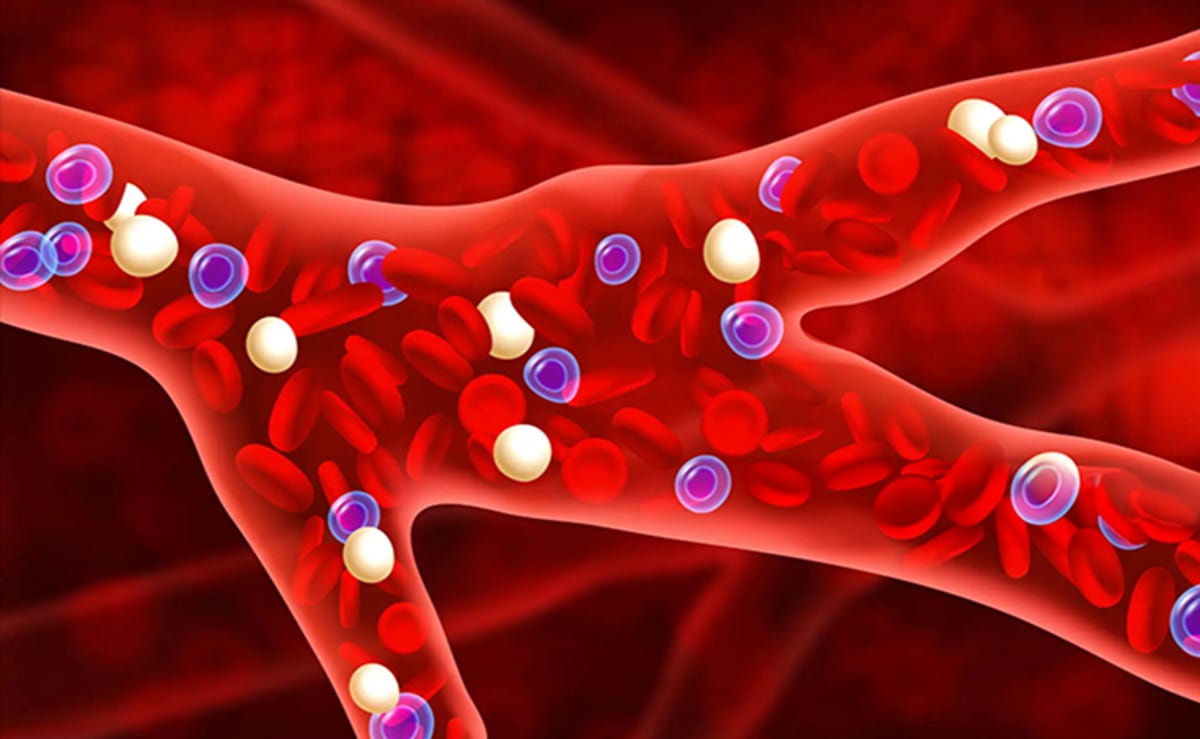
The phrase "it’s all in your head" has long dismissed stress as a fleeting emotional state. But science tells a different story. When pressure mounts, whether from work deadlines, financial strain, or personal crises, the body doesn’t just react psychologically. It triggers a cascade of biological changes, some of which leave lasting imprints in the bloodstream. Researchers have now mapped how stress alters blood composition, offering tangible evidence that what begins in the mind can reshape physical health in ways once overlooked. For millions navigating chronic stress, these findings underscore a critical question: How much is stress silently rewriting the body’s internal code?
What Happened
In a controlled experiment, researchers analyzed blood samples from individuals before and after exposure to acute stress. The results revealed measurable shifts in key biomarkers, including elevated cortisol levels, increased white blood cell counts, and changes in inflammatory markers like C reactive protein. These alterations weren’t just temporary spikes; in cases of prolonged stress, some changes persisted for weeks or even months, suggesting a deeper biological recalibration.
Why Public Health Officials Are Concerned
Stress is no longer viewed as merely a mental health issue but a systemic one. The blood changes observed in stressed individuals mirror those linked to cardiovascular disease, immune dysfunction, and metabolic disorders. Public health experts warn that chronic stress could act as a silent accelerant for conditions like hypertension, diabetes, and even autoimmune flare ups. With stress levels rising globally, fueled by economic instability, social isolation, and workplace pressures, the biological fallout may be contributing to a broader health crisis.
Symptoms or Risk Factors
While stress affects everyone differently, certain blood markers can signal its physiological toll. Key indicators include:
- Elevated cortisol, the body’s primary stress hormone, which can disrupt metabolism and immune function.
- Increased white blood cell counts, a sign of heightened immune activity that may lead to chronic inflammation.
- Higher levels of pro inflammatory cytokines, which have been tied to heart disease and depression.
- Changes in blood viscosity, raising the risk of clot formation and stroke.
Individuals with pre existing conditions, such as hypertension or diabetes, may experience more pronounced effects, as stress can exacerbate underlying vulnerabilities.
Who May Be Affected
The impact of stress on blood health isn’t limited to those with diagnosed anxiety or depression. High pressure professions, healthcare workers, first responders, and corporate employees, often face sustained stress that can alter blood chemistry over time. Similarly, caregivers, students during exam periods, and individuals in high conflict environments may also exhibit these changes. Even short term stress, if intense enough, can trigger temporary but significant shifts in blood markers.
Prevention and Safety Guidance
Mitigating the biological effects of stress requires a dual approach: reducing exposure to stressors and strengthening the body’s resilience. Experts recommend:
- Mind body interventions: Practices like mindfulness meditation, deep breathing exercises, and yoga have been shown to lower cortisol levels and improve immune function.
- Physical activity: Regular exercise helps regulate stress hormones and reduces inflammation, counteracting some of the blood changes linked to chronic stress.
- Social support: Strong relationships and community ties can buffer against the physiological impacts of stress, lowering inflammatory markers.
- Sleep hygiene: Poor sleep amplifies stress responses. Prioritizing restorative sleep can help stabilize blood chemistry.
- Professional guidance: For those with persistent stress, cognitive behavioral therapy or stress management programs can provide tools to reframe responses and reduce biological strain.
What Readers Should Know
Stress isn’t just an emotional burden, it’s a biological event with real consequences for the body. The blood changes observed in stressed individuals serve as a warning sign, not just for mental health but for long term physical well being. Recognizing these shifts early can empower individuals to take proactive steps, whether through lifestyle adjustments or seeking professional support. For healthcare providers, these findings highlight the need to screen for stress related biomarkers, particularly in patients with unexplained inflammation or metabolic issues. The message is clear: addressing stress isn’t just about feeling better, it’s about protecting the body from silent, systemic damage.
Key Takeaways
- Stress triggers measurable changes in blood composition, including elevated cortisol and inflammatory markers, which can persist long after the stressor subsides.
- Chronic stress may accelerate the development of cardiovascular disease, immune dysfunction, and metabolic disorders by altering blood chemistry.
- Prevention strategies like mindfulness, exercise, and social support can help mitigate the biological effects of stress and stabilize blood markers.
Frequently Asked Questions
Can stress really change your blood?
Yes. Research shows that stress can alter blood composition, including hormone levels, immune cell counts, and inflammatory markers. These changes are not just psychological, they reflect real physiological shifts that can impact long term health.
How long do stress related blood changes last?
The duration varies. Acute stress may cause temporary spikes in cortisol or white blood cells, while chronic stress can lead to persistent changes that last weeks or months, increasing the risk of health complications.
What are the most concerning blood changes linked to stress?
Elevated cortisol, increased white blood cell counts, and higher levels of inflammatory markers like C reactive protein are among the most concerning. These changes are associated with higher risks of heart disease, diabetes, and immune dysfunction.
Who is most at risk for stress related blood changes?
Individuals in high pressure environments, such as healthcare workers, caregivers, or corporate employees, are at greater risk. Those with pre existing conditions like hypertension or diabetes may also experience more pronounced effects.
What can I do to protect my blood health from stress?
Mindfulness practices, regular exercise, strong social connections, and adequate sleep can help mitigate the biological effects of stress. For persistent stress, professional support like therapy or stress management programs may be beneficial.
Medical Review: MedSense Editorial Board






















DISCUSSION (0)
POST A COMMENT