
The war in the Middle East has entered its third month, but its consequences are reverberating far beyond the conflict zone. The United Nations has issued a stark warning: rising transportation costs and logistical bottlenecks are crippling global vaccine supply chains, with children in Africa bearing the brunt of the fallout. UNICEF officials report that shipping delays of up to four weeks and soaring freight expenses are threatening immunization programs across the continent, raising fears of preventable disease outbreaks in vulnerable populations. Jean Cédric Meeus, UNICEF’s head of logistics, told reporters in Geneva that the crisis is not confined to the Middle East. "The disruption to global humanitarian supply chains is impacting children across the globe," he said. "Maritime diversions around the Cape of Good Hope are adding weeks to delivery times, while transport costs have surged at every stage of the supply chain." The implications for public health, particularly in low income regions, could be severe if the disruptions persist.
What Happened
The ongoing conflict in the Middle East has triggered widespread disruptions in global supply chains, with ripple effects extending to critical humanitarian aid. According to the United Nations, the war has led to significant delays and increased costs in transporting essential medical supplies, including vaccines. Shipping routes have been forced to reroute around the Cape of Good Hope, adding two to four weeks to delivery timelines and inflating logistics expenses.
UNICEF, the UN agency responsible for child welfare, has raised concerns that these disruptions are disproportionately affecting low income countries, particularly in Africa. The continent relies heavily on imported vaccines for routine immunization programs, and any delay or cost increase could jeopardize efforts to protect children from preventable diseases like measles, polio, and diphtheria.
Why Public Health Officials Are Concerned
Vaccines are time sensitive and require strict temperature control during transport. Prolonged shipping delays increase the risk of spoilage, while rising costs strain already limited healthcare budgets in resource poor settings. Public health experts warn that even minor disruptions in vaccine supply can lead to outbreaks of diseases that were previously under control.
The situation is particularly alarming in Africa, where immunization coverage has been improving but remains fragile. The World Health Organization (WHO) has previously highlighted that vaccine preventable diseases still claim hundreds of thousands of lives annually on the continent. Any interruption in supply could reverse decades of progress in child health.
Who May Be Affected
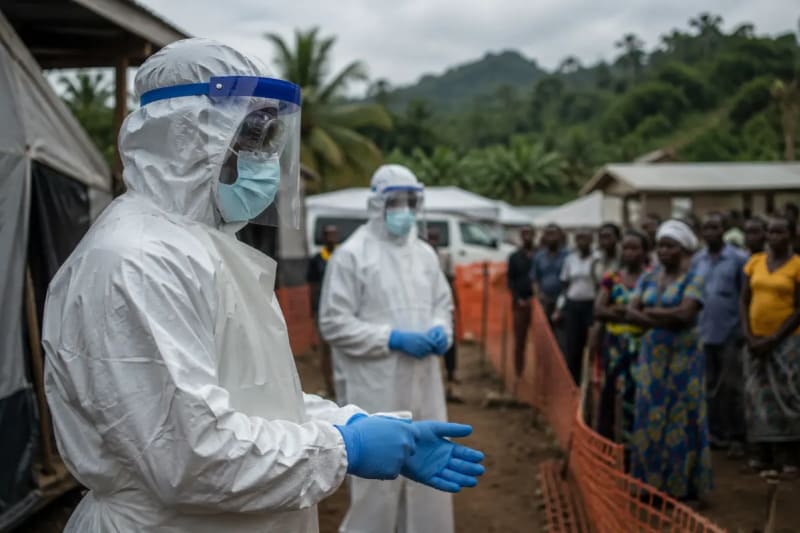
The primary victims of this crisis are children under five in low income countries, particularly in sub Saharan Africa. These regions often lack the infrastructure to store large vaccine reserves, making them highly dependent on just in time deliveries. Additionally, healthcare systems in conflict zones or remote areas may struggle to absorb the increased costs, further limiting access to life saving immunizations.
Beyond Africa, other regions with fragile healthcare systems, such as parts of South Asia and the Middle East, could also face similar challenges. The global nature of the supply chain means that disruptions in one part of the world can have cascading effects elsewhere.
Government or WHO Response
The UN and WHO have not yet announced specific emergency measures to mitigate the impact, but officials are closely monitoring the situation. UNICEF has called for increased funding to offset rising transport costs and urged governments to prioritize humanitarian shipments. The agency is also exploring alternative supply routes and local procurement options to reduce dependency on long distance shipping.
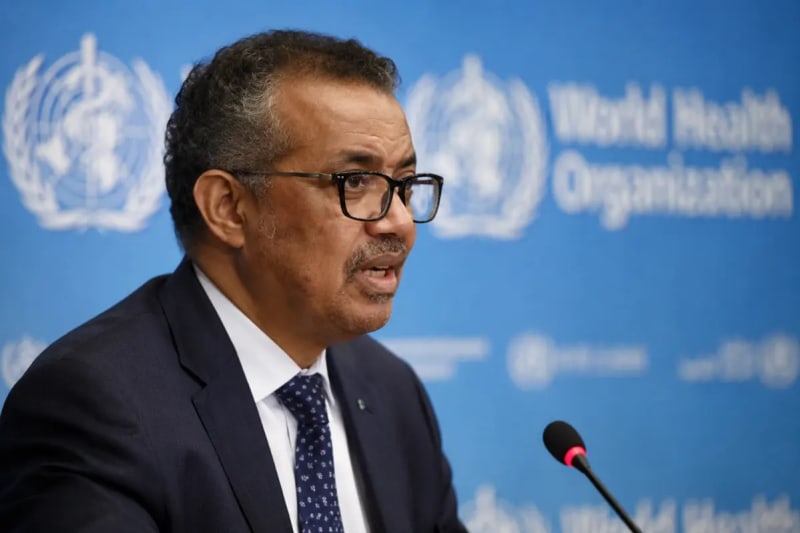
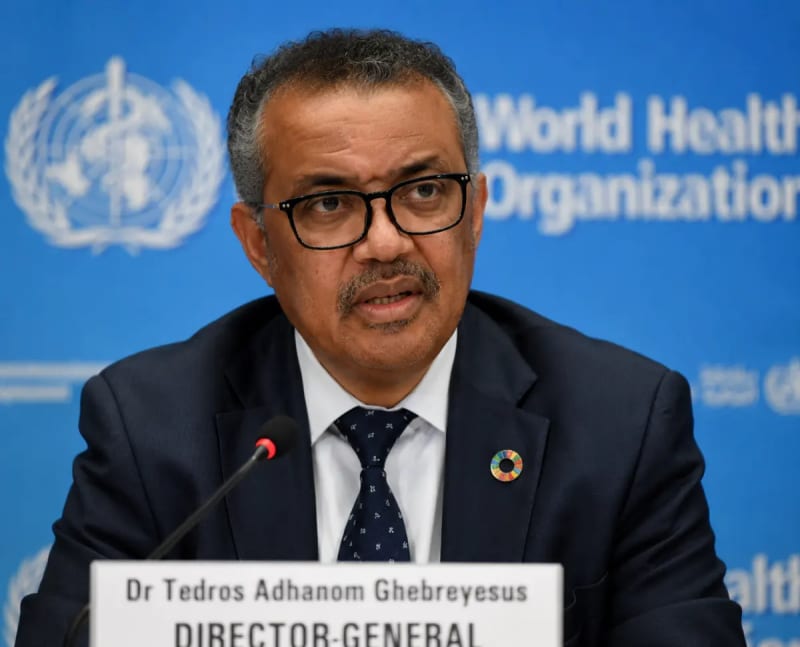
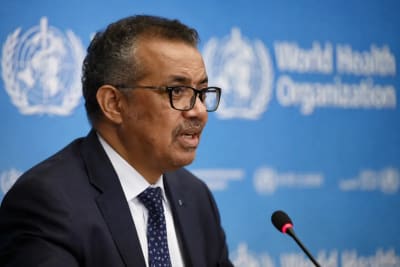
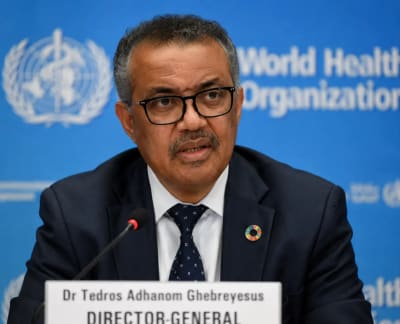
In a statement, WHO Director General Dr. Tedros Adhanom Ghebreyesus emphasized the need for global cooperation to safeguard vaccine supplies. "No child should be left unprotected because of logistical challenges," he said. "We must act now to ensure that supply chains remain resilient and that immunization programs continue without interruption."
Prevention and Safety Guidance
While the immediate crisis requires systemic solutions, there are steps that governments, healthcare providers, and communities can take to minimize risks:
- Prioritize vaccine shipments: Governments should work with logistics providers to fast track humanitarian cargo and reduce delays.
- Strengthen local storage: Investing in cold chain infrastructure can help buffer against supply chain disruptions by allowing countries to store larger vaccine reserves.
- Diversify suppliers: Reducing reliance on a single supply route or manufacturer can improve resilience in the face of global disruptions.
- Community awareness: Public health campaigns should emphasize the importance of completing vaccination schedules, even if delays occur, to prevent gaps in immunity.
What Readers Should Know
This crisis underscores the fragility of global health systems and the far reaching consequences of geopolitical conflicts. While the immediate focus is on vaccine supplies, the broader lesson is the need for more resilient and equitable health infrastructure. For parents and caregivers, the key takeaway is to stay informed about local immunization programs and advocate for continued access to vaccines, even in the face of logistical challenges.
For policymakers and donors, the situation highlights the urgency of investing in local manufacturing and distribution networks to reduce dependency on global supply chains. The health of millions of children depends on swift and coordinated action to address these disruptions.
Key Takeaways
- The Middle East conflict has disrupted global vaccine supply chains, causing delays of up to four weeks and driving up transport costs.
- Children in Africa are at heightened risk due to reliance on imported vaccines and fragile healthcare systems.
- Public health officials warn that supply chain disruptions could lead to outbreaks of preventable diseases like measles and polio.
- UNICEF and WHO are calling for increased funding and alternative supply routes to mitigate the impact on immunization programs.
Frequently Asked Questions
How are vaccine supply chains being affected by the Middle East conflict?
The conflict has forced shipping routes to divert around the Cape of Good Hope, adding two to four weeks to delivery times. It has also driven up transportation costs, making it more expensive to deliver vaccines to regions like Africa that rely on imports.
Which diseases could resurface due to vaccine shortages?
Vaccine preventable diseases such as measles, polio, diphtheria, and whooping cough are at risk of resurgence if immunization programs are disrupted. These diseases can spread rapidly in communities with low vaccination coverage.
What can parents do to protect their children during this crisis?
Parents should stay informed about local immunization schedules and ensure their children receive all recommended vaccines, even if there are delays. They can also advocate for continued access to vaccines by engaging with local health authorities and community organizations.
Are there long term solutions to prevent similar crises in the future?
Yes. Long term solutions include investing in local vaccine manufacturing, strengthening cold chain infrastructure, diversifying supply routes, and increasing funding for humanitarian logistics. These measures can help build resilience against future disruptions.
Medical Review: MedSense Editorial Board











DISCUSSION (0)
POST A COMMENT