
The United Nations has issued a stark warning about Sudan's deepening humanitarian crisis, driven by escalating conflict, mass displacement, and a worsening cholera outbreak. Over 20,000 people have been displaced in Darfur in recent weeks due to intercommunal violence, exacerbating already dire conditions. The UN is calling for urgent humanitarian access and protection for civilians as needs across the country continue to rise.
Latest Developments
The United Nations Office for the Coordination of Humanitarian Affairs (OCHA) has raised the alarm over Sudan's rapidly deteriorating humanitarian situation. At a recent UN briefing, Deputy Spokesperson Farhan Haq highlighted that escalating insecurity and intercommunal violence in Darfur have displaced more than 20,000 people in just the past few weeks. Many of these individuals are in urgent need of food, water, shelter, and medical care.
The crisis is compounded by a worsening cholera outbreak, which has spread across multiple regions. Health systems, already strained by years of conflict, are struggling to respond to the surge in cases. Cholera, a waterborne disease, thrives in conditions of poor sanitation and overcrowding, both of which are prevalent in displacement camps and conflict affected areas.
Why This Matters
Sudan's humanitarian crisis is entering a critical phase, with overlapping emergencies pushing vulnerable populations to the brink. The displacement of over 20,000 people in Darfur alone underscores the rapid escalation of violence and its devastating impact on civilians. Cholera outbreaks in such contexts can spread rapidly, leading to high mortality rates if left unchecked. The UN's call for unhindered humanitarian access is not just a plea for aid but a lifeline for millions at risk.
The situation is particularly dire in Darfur, where decades of conflict have left communities with little resilience to withstand new shocks. Displacement camps, often overcrowded and lacking basic services, become hotspots for disease transmission. The combination of violence, displacement, and disease creates a vicious cycle that deepens suffering and complicates relief efforts.
Response Efforts
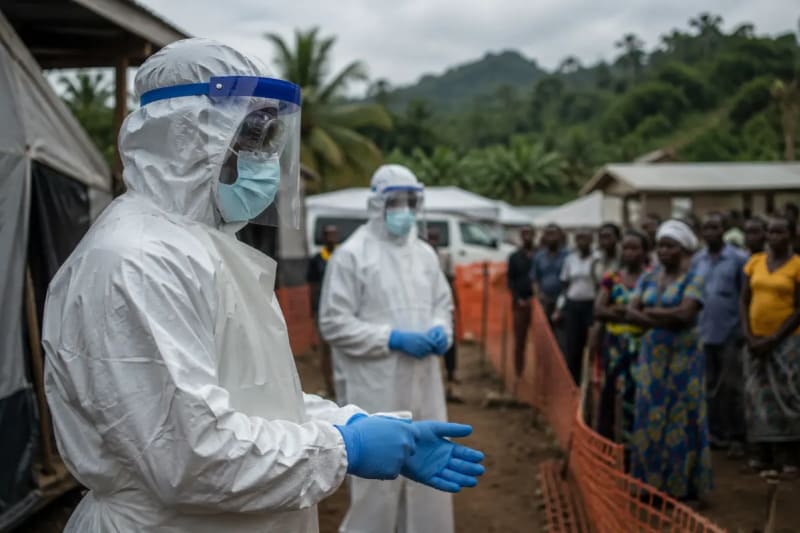
The UN has renewed its appeal to all parties involved in the conflict to protect civilians and ensure safe, rapid, and sustained access for humanitarian workers. Aid organizations are scaling up efforts to deliver critical supplies, including clean water, sanitation facilities, and medical treatment for cholera. However, insecurity and logistical challenges continue to hamper these efforts.
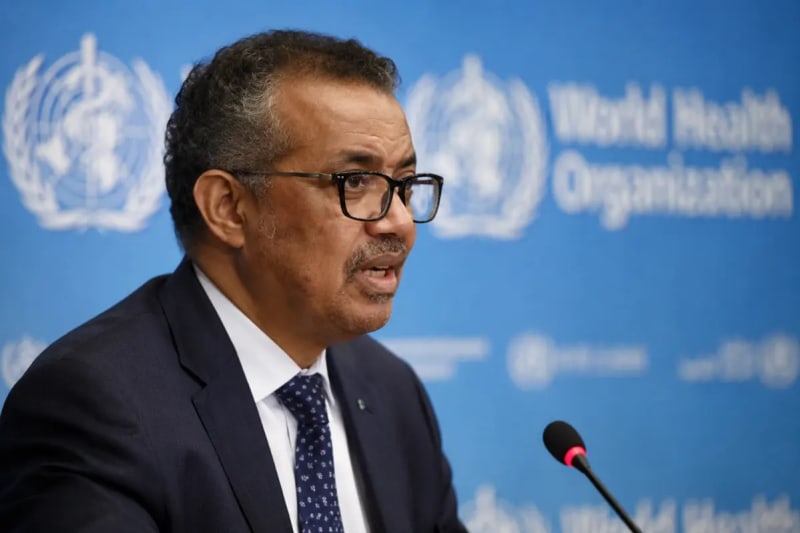
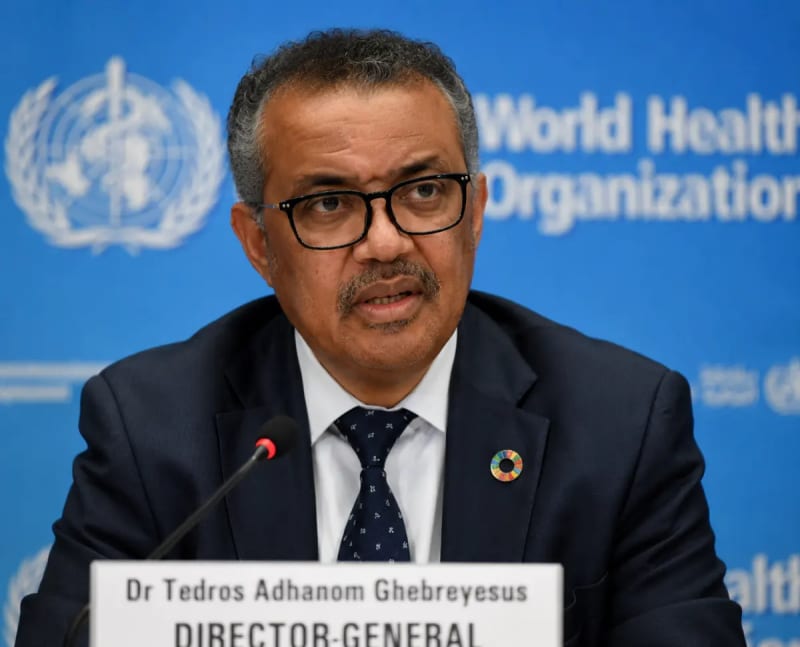
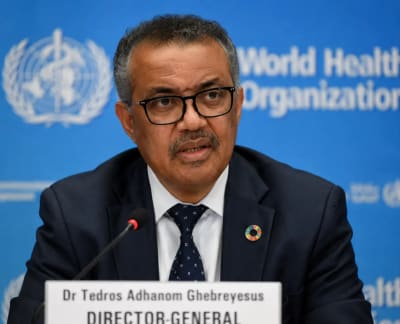
International donors and humanitarian agencies are being urged to increase support to address the growing needs. The World Health Organization (WHO) and other health partners are working to establish cholera treatment centers and distribute oral rehydration salts to prevent deaths. Despite these efforts, the scale of the crisis demands a coordinated and robust response to prevent further deterioration.
Public Health Impact
The cholera outbreak in Sudan is a stark reminder of how quickly infectious diseases can spread in conflict zones. Cholera, caused by the bacterium Vibrio cholerae, can lead to severe dehydration and death within hours if untreated. The disease is particularly deadly in settings where healthcare infrastructure is weak or non existent, as is the case in many parts of Sudan.
Displacement exacerbates the risk of outbreaks, as people are forced into crowded and unsanitary conditions. The lack of clean water and proper sanitation in many areas further accelerates transmission. Without immediate intervention, the outbreak could spiral out of control, adding to the already staggering humanitarian toll.
What's Next
The coming weeks will be critical for Sudan's humanitarian response. Aid organizations are racing against time to contain the cholera outbreak and provide life saving assistance to displaced populations. The UN's call for unhindered access must be heeded to ensure that aid reaches those in need without delay.
International pressure on conflict parties to respect humanitarian principles and protect civilians will be essential to stabilizing the situation. Meanwhile, global health agencies are monitoring the outbreak closely, ready to deploy additional resources if the crisis escalates further. The world cannot afford to ignore Sudan's plight, as the consequences of inaction could be catastrophic.
Key Takeaways
- Over 20,000 people have been displaced in Darfur due to escalating violence, deepening Sudan's humanitarian crisis.
- A worsening cholera outbreak is spreading rapidly, exacerbated by poor sanitation and overcrowding in displacement camps.
- The UN is calling for urgent humanitarian access and protection for civilians as needs across Sudan continue to rise.
Frequently Asked Questions
What is causing the humanitarian crisis in Sudan?
The crisis is driven by escalating conflict, mass displacement, and a worsening cholera outbreak, which have overwhelmed health systems and aid efforts.
How many people have been displaced in Darfur recently?
More than 20,000 people have been displaced in Darfur in recent weeks due to intercommunal violence and insecurity.
What are the risks of the cholera outbreak in Sudan?
Cholera can spread rapidly in conflict zones, leading to severe dehydration and death if untreated. Overcrowded displacement camps and poor sanitation increase the risk of transmission.
Published by O. Ayodeji | Review by MedSense Editorial Board












DISCUSSION (0)
POST A COMMENT