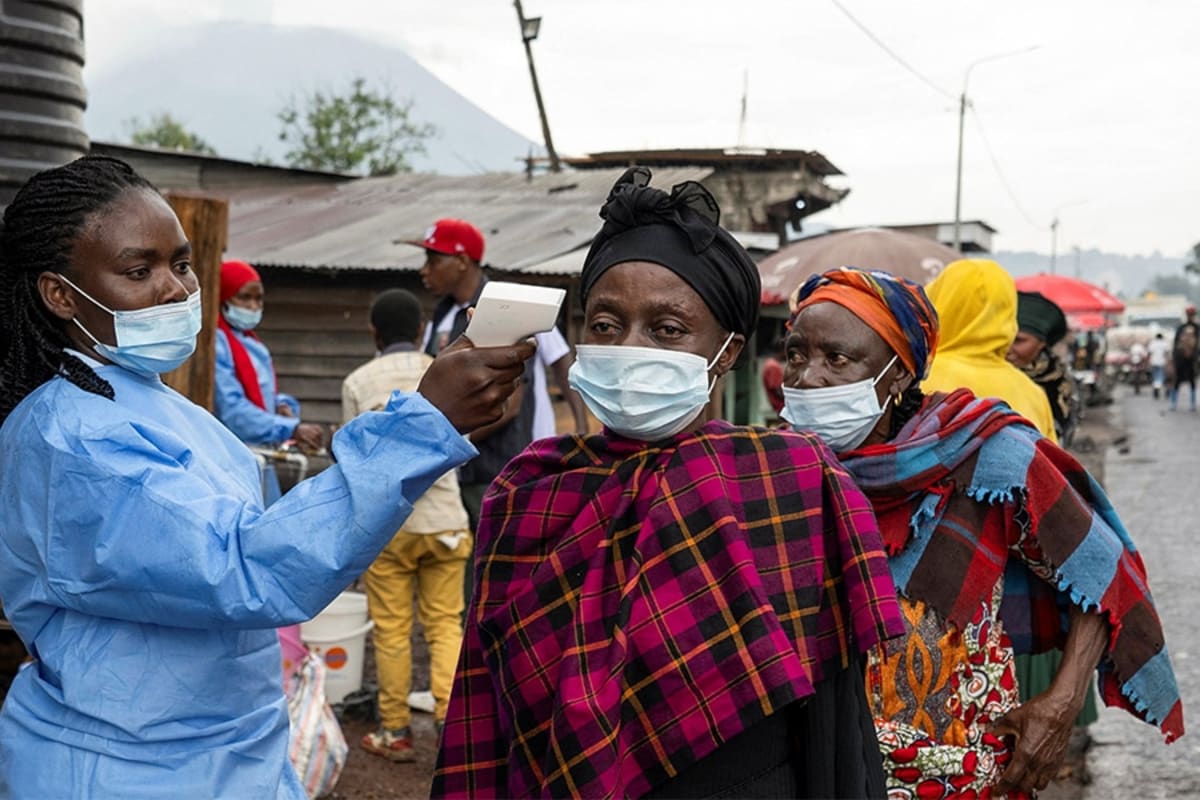
As Uganda continues to battle sporadic Ebola virus transmission, public health officials and religious leaders are joining forces to prevent a resurgence during large scale gatherings. The Bishop of Kabale Diocese, Callist Rubaramira, issued a direct appeal to worshippers this week, urging strict compliance with Ministry of Health protocols ahead of Uganda Martyrs Day commemorations. The call comes at a critical moment when crowded religious events could accelerate viral spread in communities still vulnerable to the deadly pathogen. Ebola, known for its rapid transmission through bodily fluids and high fatality rate, has repeatedly tested Uganda’s healthcare preparedness. While recent case numbers have declined, health authorities warn that complacency could reverse progress. The bishop’s intervention underscores the delicate balance between cultural traditions and disease control in regions where faith based gatherings remain central to community life.
What Happened
During a Uganda Martyrs Day Mass at Our Lady of Good Shepherd Rushoroza Cathedral in Kabale Municipality, Bishop Callist Rubaramira addressed thousands of attendees with an urgent public health message. He called for unwavering adherence to Ebola prevention guidelines, emphasizing that the virus remains a serious threat despite recent improvements in case numbers. The bishop’s remarks were delivered in coordination with local health authorities, reflecting a broader government strategy to integrate faith leaders into outbreak response efforts.
Why Public Health Officials Are Concerned
Ebola virus disease has a documented history of exploiting mass gatherings, where close contact, shared surfaces, and limited sanitation infrastructure create ideal conditions for transmission. Uganda’s Ministry of Health has repeatedly flagged religious events, markets, and funerals as high risk settings during previous outbreaks. While current case counts remain low, the World Health Organization classifies Ebola as a persistent threat in East Africa, with the potential for rapid escalation if preventive measures lapse.
Health experts note that Ebola’s incubation period, ranging from two to 21 days, means even a single undetected case at a large gathering could seed new chains of infection. The virus’s ability to persist in bodily fluids for weeks after recovery further complicates containment, particularly in communities where traditional burial practices involve direct contact with the deceased.
Symptoms or Risk Factors
Ebola typically presents with sudden onset fever, fatigue, muscle pain, and headache, often followed by vomiting, diarrhea, rash, and impaired kidney and liver function. In severe cases, internal and external bleeding may occur. The virus spreads through direct contact with blood, secretions, organs, or other bodily fluids of infected people, as well as contaminated surfaces and materials.
High risk groups include healthcare workers, family members caring for sick individuals, and those participating in traditional burial rites. Travelers to or from active outbreak zones are also advised to monitor symptoms closely for three weeks after potential exposure.
Who May Be Affected
The bishop’s warning targets not only worshippers in Kabale but also the broader Ugandan population, particularly in districts bordering the Democratic Republic of Congo, where Ebola remains endemic. Rural communities with limited access to healthcare infrastructure face heightened vulnerability, as do urban areas where population density can accelerate transmission.
Children, the elderly, and individuals with underlying health conditions are at greater risk of severe outcomes. Healthcare workers, despite their training, have historically accounted for a significant proportion of cases during outbreaks due to exposure in clinical settings.
Government and WHO Response
Uganda’s Ministry of Health has maintained active surveillance since the last confirmed Ebola case in early 2023, with rapid response teams deployed to high risk districts. The government has also expanded vaccination campaigns, prioritizing frontline workers and contacts of confirmed cases. The World Health Organization continues to support Uganda’s preparedness efforts, including training for healthcare providers and community engagement initiatives.
In a recent briefing, WHO officials emphasized that while Uganda’s response has been robust, the risk of reintroduction from neighboring countries remains a constant threat. Cross border collaboration with the Democratic Republic of Congo and South Sudan has been strengthened to detect and contain potential spillover events.
Prevention and Safety Guidance
The Ministry of Health’s standard operating procedures for Ebola prevention include:
- Avoiding direct contact with blood, bodily fluids, or tissues of infected individuals or animals.
- Frequent handwashing with soap and water or alcohol based sanitizers.
- Using personal protective equipment when caring for sick individuals.
- Safe burial practices, including avoiding direct contact with the deceased.
- Isolating and reporting suspected cases immediately to health authorities.
- Following travel advisories and monitoring symptoms after potential exposure.
For large gatherings, organizers are advised to implement temperature screening, provide hand hygiene stations, and ensure adequate spacing between attendees. Faith leaders have been encouraged to incorporate health messages into sermons and community outreach programs.
What Readers Should Know
Ebola prevention is a shared responsibility that extends beyond healthcare systems. While government and international agencies play a critical role, individual actions, such as adhering to hygiene practices and reporting symptoms, can significantly reduce transmission risks. The bishop’s call to action serves as a reminder that cultural and religious practices can coexist with public health measures when communities remain informed and proactive.
For those in Uganda or traveling to the region, staying updated through official Ministry of Health channels is essential. Suspected cases should be reported immediately to local health facilities or the national toll free line. Early detection and isolation remain the most effective tools in preventing large scale outbreaks.
Key Takeaways
- Ebola remains a persistent threat in Uganda, with mass gatherings posing significant transmission risks.
- Religious and community leaders are playing a key role in reinforcing public health messages during cultural events.
- Prevention relies on strict adherence to hygiene protocols, safe burial practices, and rapid reporting of suspected cases.
- Uganda’s Ministry of Health and WHO continue to monitor the situation closely, with vaccination campaigns targeting high risk groups.
- Individual vigilance, such as handwashing and symptom monitoring, is critical to preventing resurgence.
Frequently Asked Questions
What are the early symptoms of Ebola?
Early symptoms include sudden fever, fatigue, muscle pain, headache, and sore throat. As the disease progresses, vomiting, diarrhea, rash, and impaired organ function may develop. In severe cases, internal and external bleeding can occur.
How does Ebola spread?
Ebola spreads through direct contact with blood, bodily fluids, or tissues of infected people or animals. It can also spread through contact with contaminated surfaces or materials, such as bedding or clothing. The virus is not airborne.
What should I do if I suspect someone has Ebola?
Avoid direct contact with the person and immediately notify local health authorities or call Uganda’s national toll free line. Do not attempt to transport the individual yourself. Follow isolation protocols and await guidance from trained responders.
Are there vaccines available for Ebola?
Yes, vaccines such as Ervebo have been approved for use in outbreak settings. Uganda has conducted vaccination campaigns targeting healthcare workers and contacts of confirmed cases. However, vaccination is not a substitute for preventive measures like hand hygiene and safe burial practices.
Why are religious gatherings a concern during Ebola outbreaks?
Large gatherings increase the risk of close contact, shared surfaces, and limited sanitation, all of which can facilitate Ebola transmission. Religious events often involve physical touch, communal meals, and prolonged proximity, making them high risk settings during outbreaks.
Medical Review: MedSense Editorial Board
























DISCUSSION (0)
POST A COMMENT