
Uganda has officially declared the end of its 2026 Ebola Disease outbreak, Health Minister Dr. Chris Baryomunsi announced on Tuesday. The declaration follows a mandatory 42 day monitoring period after the last confirmed patient, a locally transmitted case, was discharged on June 16, 2026. The outbreak, first declared on May 15, 2026, originated from imported cases linked to the Democratic Republic of Congo (DRC). The announcement marks a significant milestone in Uganda’s public health response to the deadly virus.
What Happened
Uganda’s Ministry of Health declared the country free of Ebola on Tuesday, following the completion of a 42 day surveillance period. The last confirmed patient, a locally transmitted case, was discharged on June 16, 2026, triggering the countdown to the official declaration.
Health Minister Dr. Chris Baryomunsi confirmed the milestone during a media briefing, stating, "Today, Uganda is Ebola free." The announcement comes just over a month after the final patient’s recovery, adhering to World Health Organization (WHO) guidelines, which require two full incubation periods (42 days) without new cases to declare an outbreak over.
Outbreak Timeline and Response
The outbreak was first declared on May 15, 2026, after Uganda confirmed imported cases linked to the Democratic Republic of Congo (DRC), where Ebola remains endemic in certain regions. The Sudan ebolavirus strain, which caused the outbreak, has a fatality rate of approximately 50%, though early detection and treatment can significantly improve survival rates.
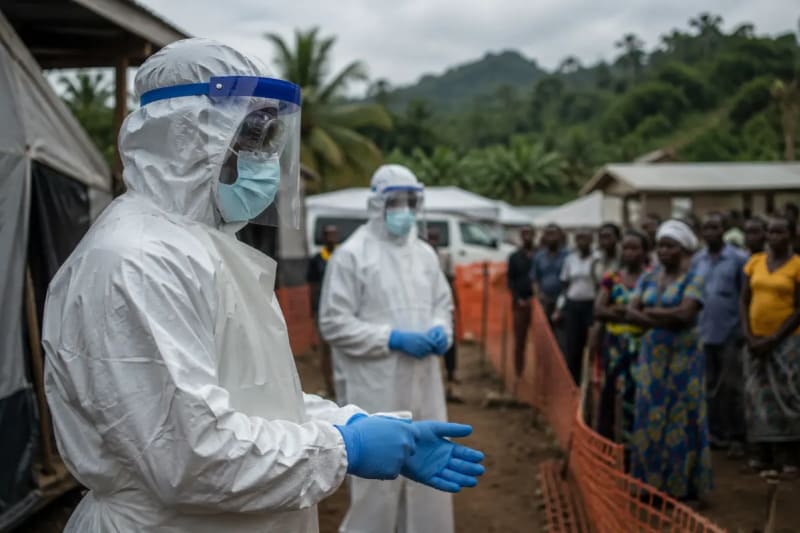
Ugandan health authorities, supported by the WHO and other international partners, implemented rapid containment measures, including contact tracing, isolation of cases, and community engagement to curb transmission. Vaccination campaigns targeting high risk groups were also deployed, though no licensed vaccine exists specifically for the Sudan strain.
Why This Matters
The declaration underscores the effectiveness of Uganda’s public health infrastructure in responding to high risk pathogens. The country has faced multiple Ebola outbreaks in recent years, including a 2022 Sudan ebolavirus outbreak that resulted in 55 deaths. This latest response demonstrates improved preparedness, with no reported deaths during the 2026 outbreak, a notable achievement given the virus’s lethality.
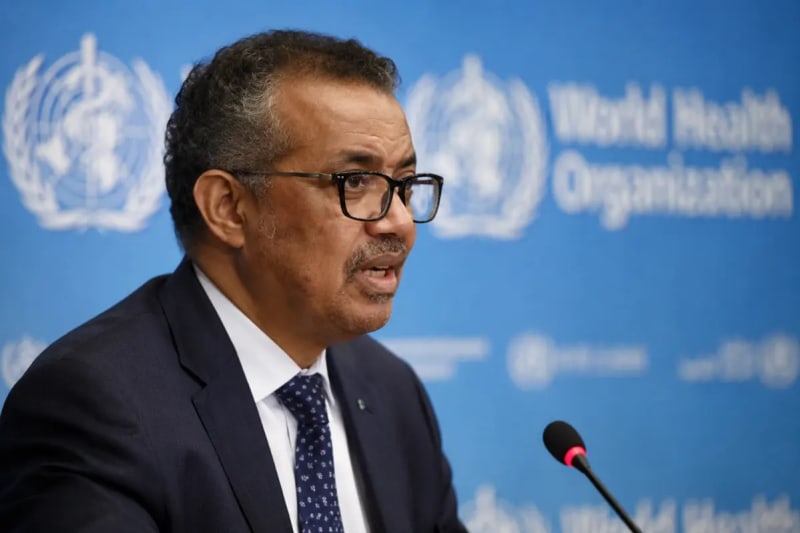
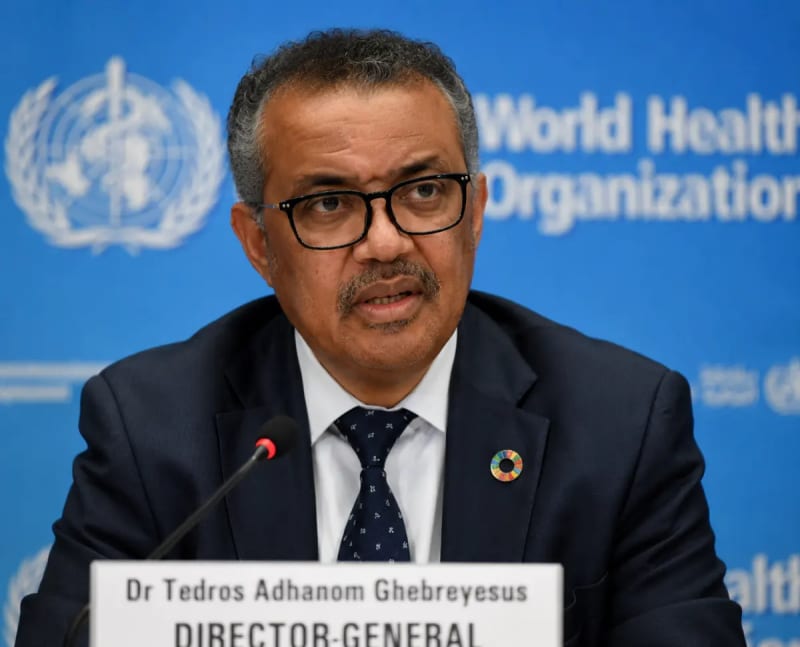
"This outcome reflects the dedication of our health workers and the resilience of our surveillance systems," Baryomunsi said. The WHO praised Uganda’s response, highlighting the importance of cross border collaboration, particularly with the DRC, where Ebola remains a persistent threat.
Public Health Impact
The end of the outbreak allows Uganda to shift focus from emergency response to recovery and long term preparedness. Health authorities will continue monitoring for potential flare ups, particularly in border regions with the DRC. The WHO recommends maintaining heightened surveillance for at least three months post declaration to detect any delayed cases.
For communities affected by the outbreak, the declaration brings relief but also a reminder of the need for vigilance. Public health campaigns will emphasize early symptom recognition, safe burial practices, and prompt reporting of suspected cases to prevent future outbreaks.
What’s Next
Uganda’s Ministry of Health will conduct a post outbreak review to assess response efforts and identify areas for improvement. Lessons learned will inform future strategies, particularly for managing cross border transmission risks. Meanwhile, research into vaccines and treatments for the Sudan ebolavirus strain remains a priority for global health agencies.
The WHO will continue supporting Uganda and neighboring countries in strengthening disease surveillance and response capacities. For now, the declaration marks a hard won victory in the fight against one of the world’s deadliest pathogens.
Key Takeaways
- Uganda declared the end of its 2026 Ebola outbreak after a 42 day monitoring period with no new cases, following the recovery of the last patient on June 16.
- The outbreak, caused by the Sudan ebolavirus strain, originated from imported cases linked to the Democratic Republic of Congo and was contained through rapid public health measures.
- The successful response highlights Uganda’s improved preparedness, with no reported deaths during the 2026 outbreak, though continued vigilance and cross border collaboration remain critical.
Frequently Asked Questions
What is the 42 day monitoring period for Ebola?
The 42 day period represents two full incubation cycles of the Ebola virus (21 days each). If no new cases are detected during this time, an outbreak is officially declared over.
Why is Uganda at risk for Ebola outbreaks?
Uganda shares a porous border with the Democratic Republic of Congo, where Ebola remains endemic. Cross border movement increases the risk of imported cases, requiring robust surveillance and response systems.
Is there a vaccine for the Sudan ebolavirus strain?
No licensed vaccine currently exists for the Sudan strain, though experimental vaccines have been used in past outbreaks. Research is ongoing to develop effective treatments and preventive measures.
Published by O. Ayodeji John | Review by MedSense Editorial Board











DISCUSSION (0)
POST A COMMENT