
What Happened
Scientists from the Interdisciplinary Consortium for Epidemic Research and Response (ICER) and collaborating institutions have identified a novel clade, a distinct genetic lineage, of the Bundibugyo Ebola virus (BDBV) circulating in Uganda and the Democratic Republic of Congo during the 2026 outbreak. The variant was discovered through genomic sequencing of samples collected from infected patients, revealing mutations that distinguish it from previously known strains. The findings were published in *The Lancet*, providing the first detailed analysis of this new viral lineage and its potential implications for disease dynamics.
The Bundibugyo virus, one of six known species in the Ebolavirus genus, has historically caused sporadic outbreaks with fatality rates ranging from 30% to 50%. Unlike its more notorious relatives, such as the Zaire Ebola virus, BDBV has received less attention in research and public health planning. This discovery shifts that narrative, offering fresh evidence that even less studied Ebola species are evolving in ways that could influence future outbreak patterns.
The research team emphasized that the new variant does not currently show signs of heightened virulence or altered transmission routes. However, its emergence highlights the need for continuous monitoring, particularly in regions where multiple Ebola species circulate simultaneously.
Why Does It Matter
The identification of this new Bundibugyo variant carries significant implications for global health security. First, it demonstrates the critical role of genomic surveillance in detecting viral evolution in real time. Without such tools, public health systems risk being caught off guard by emerging threats, as seen during the 2014 2016 West Africa Ebola epidemic, where delayed detection contributed to catastrophic spread.
Second, the discovery reinforces the importance of regional collaboration in outbreak response. Uganda and the DRC, both hotspots for Ebola activity, have long struggled with porous borders and limited healthcare infrastructure. The ability to track viral mutations across these settings could improve cross border coordination, enabling faster containment measures and more targeted vaccine or therapeutic deployment.
Finally, the findings serve as a reminder that Ebola viruses are not static. While much of the global focus has been on the Zaire strain, due to its high fatality rate and the availability of licensed vaccines, the Bundibugyo variant’s emergence signals that other species may also pose evolving risks. This could influence future research priorities, including the development of pan Ebola vaccines or treatments effective against multiple species.
Who Does It Affect
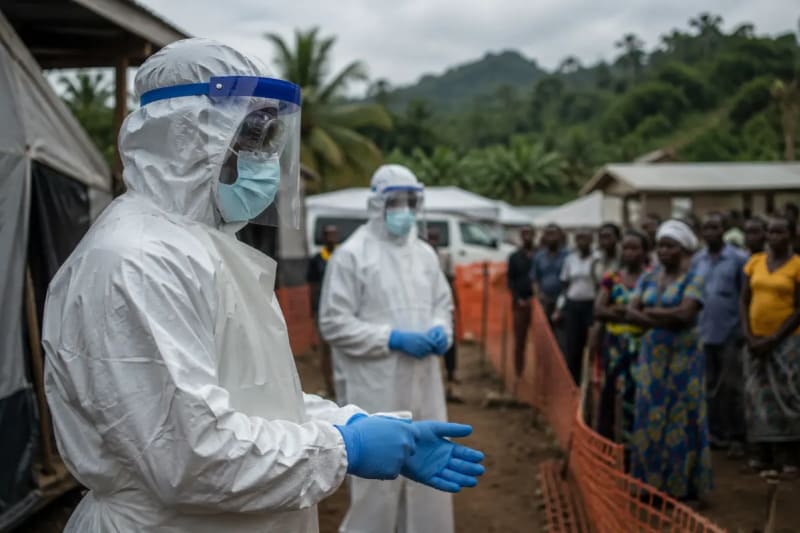
The discovery directly impacts several key groups. Foremost are the communities in Uganda and the DRC currently battling the 2026 outbreak. Residents in affected districts, particularly those in rural or conflict prone areas, face heightened exposure risks due to limited access to healthcare, diagnostic delays, and challenges in implementing infection control measures. Healthcare workers in these regions are also at increased risk, as they often serve as the first line of defense in identifying and managing cases.
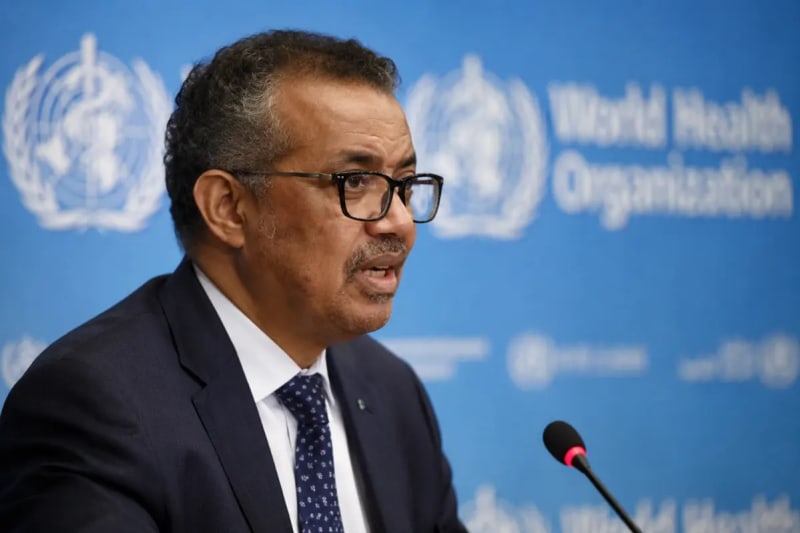
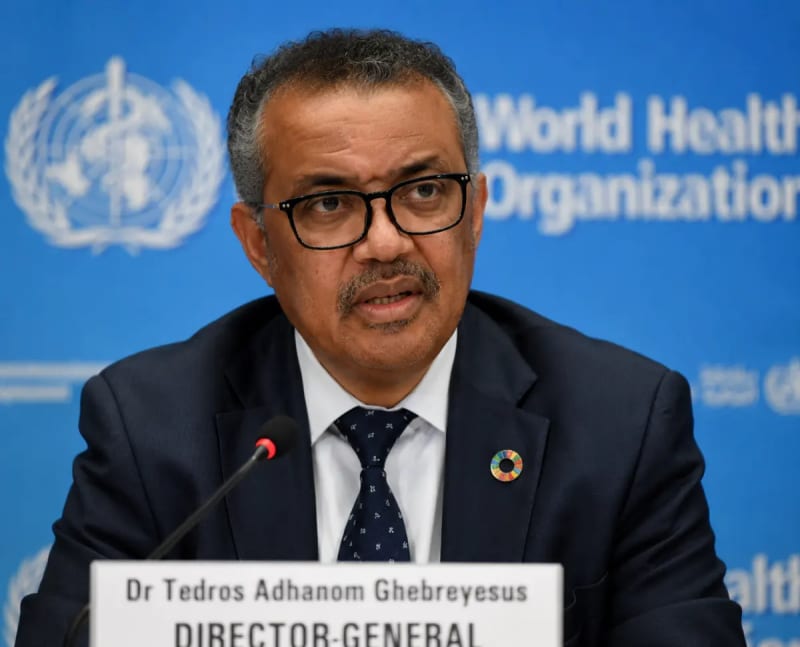
Beyond immediate outbreak zones, the findings have broader relevance for public health systems across sub Saharan Africa. Countries with similar ecological and socioeconomic conditions, such as South Sudan, the Central African Republic, and Gabon, may need to strengthen their surveillance capacities to detect potential spillover events. Globally, the discovery serves as a wake up call for international health agencies, including the World Health Organization (WHO) and the Africa Centres for Disease Control and Prevention (Africa CDC), which coordinate epidemic preparedness efforts.
Researchers and vaccine developers are another affected group. The new variant’s genetic profile could inform the design of next generation Ebola vaccines or antiviral therapies, particularly those aimed at providing broad spectrum protection. For example, if the mutations observed in the Bundibugyo variant affect key viral proteins targeted by existing treatments, adjustments may be necessary to maintain efficacy.
What Should I Do
For individuals in high risk regions, the discovery underscores the importance of adhering to established Ebola prevention measures. These include avoiding contact with bodily fluids of infected individuals, practicing safe burial practices, and seeking immediate medical attention if symptoms such as fever, vomiting, or unexplained bleeding develop. Communities should also stay informed through trusted sources, such as local health authorities or the WHO, to avoid misinformation that can fuel panic or complacency.
Healthcare workers should prioritize the use of personal protective equipment (PPE) when treating suspected cases and ensure proper sterilization of medical instruments. Given the potential for viral evolution, clinicians should remain vigilant for atypical presentations of Ebola, which may vary slightly with new variants. Training programs on infection prevention and control (IPC) should be regularly updated to reflect the latest scientific findings.
For policymakers and public health officials, the discovery highlights the need to invest in genomic surveillance infrastructure. Countries in Ebola endemic regions should consider expanding laboratory capacities, training local scientists in sequencing techniques, and fostering data sharing agreements with international research networks. Strengthening these systems now could prevent future outbreaks from escalating into larger crises.
Finally, the global health community should advocate for sustained funding for Ebola research. While the Zaire strain has dominated research agendas, the Bundibugyo variant’s emergence demonstrates that other species warrant equal attention. Supporting studies on viral evolution, vaccine development, and outbreak response strategies will be critical to staying ahead of future threats.
What Don't We Know Yet
Despite the significance of this discovery, several key questions remain unanswered. First, researchers have not yet determined whether the new Bundibugyo variant exhibits different clinical outcomes compared to previously known strains. While initial data suggest no increase in severity, larger studies involving more patients are needed to confirm this. Similarly, it is unclear whether the variant’s mutations affect the efficacy of existing diagnostic tests, vaccines, or treatments. For example, if the mutations alter the virus’s surface proteins, rapid diagnostic tests designed to detect older strains might produce false negatives.
Another critical unknown is the variant’s transmission dynamics. While Ebola is primarily spread through direct contact with bodily fluids, subtle changes in viral genetics could theoretically influence how easily the virus spreads or its ability to persist in animal reservoirs. Longitudinal studies tracking the variant’s spread in both human and animal populations will be essential to understanding its long term behavior.
The origins of the new variant also remain unclear. Did it emerge recently, or has it been circulating undetected for years? Answering this question could shed light on whether the variant arose due to natural viral evolution, environmental pressures, or human driven factors such as deforestation or increased human animal contact. Additionally, researchers have not yet identified the specific animal reservoir for this variant, which is crucial for predicting and preventing future spillover events.
Finally, the broader implications for vaccine development are still uncertain. While the discovery could accelerate efforts to create a universal Ebola vaccine, it is too early to say whether the new variant’s mutations will necessitate adjustments to existing candidates. Ongoing clinical trials and laboratory studies will be needed to assess cross protection and inform future vaccine design.
Key Takeaways
- A previously unknown variant of the Bundibugyo Ebola virus has been identified in Uganda and the DRC, marking a significant development in epidemic science.
- The discovery highlights the critical role of genomic surveillance in detecting viral evolution and strengthening outbreak preparedness.
- While the new variant does not currently show increased severity, its emergence underscores the need for continuous monitoring of all Ebola species, not just the Zaire strain.
- Communities in high risk regions should adhere to established prevention measures, while healthcare workers must remain vigilant for atypical presentations of the disease.
- Policymakers should invest in genomic surveillance infrastructure and advocate for sustained funding for Ebola research to stay ahead of future threats.
Frequently Asked Questions
What is the Bundibugyo Ebola virus?
The Bundibugyo Ebola virus (BDBV) is one of six known species in the Ebolavirus genus. It was first identified in 2007 during an outbreak in Uganda’s Bundibugyo district and has since caused sporadic outbreaks in Central and East Africa. While less studied than the Zaire Ebola virus, BDBV has a fatality rate of approximately 30% to 50% and shares similar transmission routes, primarily through direct contact with bodily fluids of infected individuals.
How does this new variant differ from previously known strains?
The newly discovered variant represents a distinct genetic lineage, or clade, of the Bundibugyo virus. It contains mutations that differentiate it from earlier strains, though researchers have not yet determined whether these changes affect the virus’s severity, transmissibility, or response to treatments. Further studies are needed to understand the full implications of these genetic differences.
Does the new variant pose a greater risk to public health?
At this stage, there is no evidence that the new variant is more severe or transmissible than previously known strains. However, its emergence serves as a reminder that Ebola viruses are evolving, and continuous surveillance is essential to detect any changes in behavior or impact. Public health officials are closely monitoring the situation to assess potential risks.
What steps are being taken to contain the outbreak?
Health authorities in Uganda and the DRC are implementing standard Ebola containment measures, including case identification, contact tracing, isolation of infected individuals, and safe burial practices. Genomic surveillance is also being used to track the variant’s spread and inform response strategies. International organizations, such as the WHO and Africa CDC, are providing technical and logistical support to bolster these efforts.
How can communities protect themselves from Ebola?
Communities in high risk areas can reduce their risk of infection by avoiding contact with bodily fluids of infected individuals, practicing safe burial practices, and seeking medical attention immediately if symptoms such as fever, vomiting, or unexplained bleeding develop. Staying informed through trusted sources and following guidance from local health authorities is also critical to preventing the spread of misinformation and ensuring effective outbreak response.
Medical Review: MedSense Editorial Board













DISCUSSION (0)
POST A COMMENT