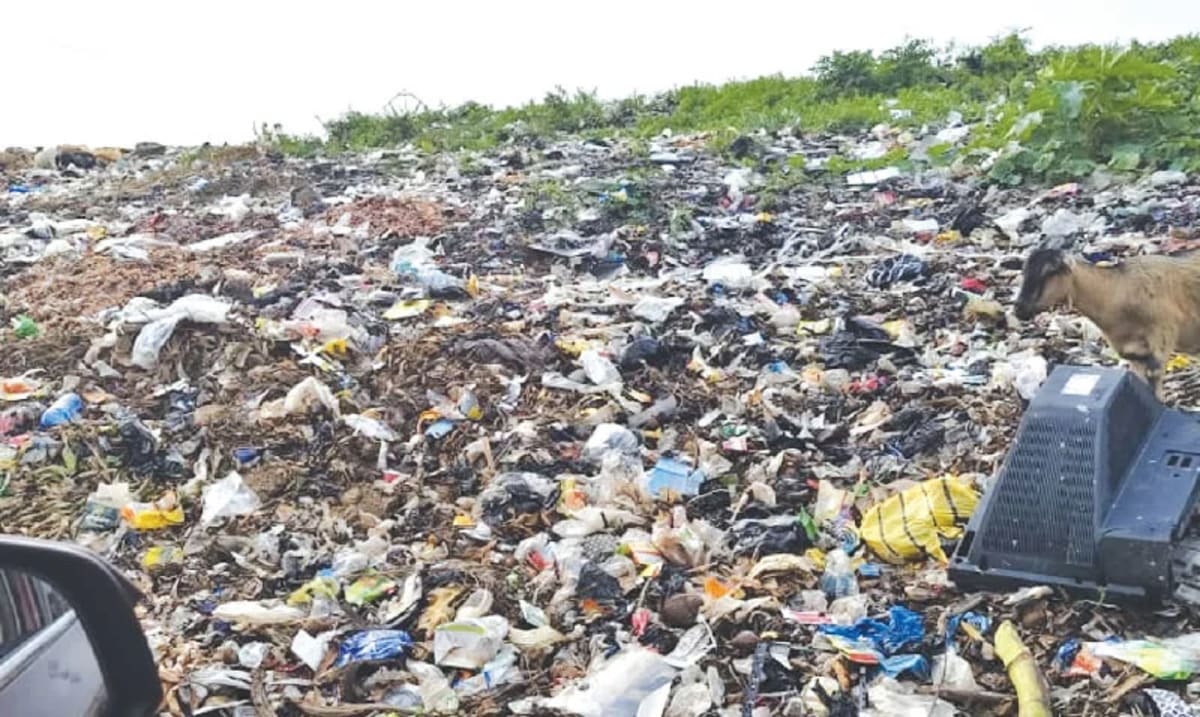
The air in Oja Agbe Market in Ifo, Ogun State, carries more than the usual bustle of commerce. It is thick with the acrid stench of rotting waste, a towering dumpsite casting a shadow over traders, shoppers, and residents alike. For years, this unregulated waste site has been a silent threat, contaminating food, spreading disease, and turning a once busy road into a death trap. Local health workers report a surge in respiratory infections, skin diseases, and unexplained illnesses, while market vendors fear their produce is no longer safe to eat. With no sign of government intervention, the crisis is deepening, raising urgent questions about environmental justice and public health protection in Nigeria’s most vulnerable communities.
What Happened
Oja Agbe Market, a key commercial hub in Ifo, Ogun State, has become a flashpoint for environmental and health hazards due to an unmanaged dumpsite adjacent to the market. The site, piled high with domestic and industrial waste, emits toxic fumes that permeate the air, while runoff contaminates nearby soil and water sources. Residents describe the stench as unbearable, particularly during the rainy season when waste spreads across roads and market stalls. The situation is compounded by the dumpsite’s proximity to a major road, where overflowing refuse causes accidents, including fatal collisions with motorcycles and pedestrians.
Why Public Health Officials Are Concerned
Unregulated waste sites like the one in Ifo are known breeding grounds for disease vectors, including mosquitoes, rodents, and flies, which spread malaria, cholera, and diarrheal illnesses. The decomposition of organic waste releases methane and hydrogen sulfide, gases linked to respiratory diseases such as asthma and chronic bronchitis. Long term exposure to toxic chemicals from industrial waste, including heavy metals like lead and mercury, can cause neurological damage, particularly in children. Public health experts warn that without immediate remediation, the dumpsite could trigger a full blown health emergency, overwhelming local clinics already stretched thin by limited resources.
Symptoms or Risk Factors
Residents and market workers report a range of health issues linked to the dumpsite, including:
- Persistent coughing, wheezing, and shortness of breath, especially among children and the elderly.
- Skin rashes, infections, and open sores from contact with contaminated water or surfaces.
- Frequent headaches, dizziness, and nausea, likely caused by prolonged exposure to toxic fumes.
- Gastrointestinal illnesses, such as diarrhea and vomiting, from consuming contaminated food or water.
- Increased cases of malaria and dengue fever due to stagnant water breeding mosquitoes.
Those most at risk include pregnant women, young children, the elderly, and individuals with pre existing respiratory or immune conditions.
Who May Be Affected
The crisis extends beyond the immediate vicinity of the dumpsite. Thousands of people are exposed daily, including:
- Market traders and shoppers who spend hours in the contaminated environment.
- Residents of nearby communities who rely on local water sources and farmland.
- Schoolchildren attending institutions close to the dumpsite, who may inhale toxic fumes during play or study.
- Commuters and drivers navigating the refuse filled road, facing increased accident risks.
- Local farmers whose crops and livestock may absorb toxins from contaminated soil and water.
Government or WHO Response
Despite repeated complaints from residents and local health advocates, there has been no visible government action to address the dumpsite or its associated hazards. The Ogun State Environmental Protection Agency has not issued public statements or outlined plans for waste management reforms. The World Health Organization has previously highlighted the dangers of unregulated waste sites in low and middle income countries, emphasizing the need for integrated waste management systems to prevent disease outbreaks and environmental degradation. However, without local enforcement, such guidelines remain unheeded in Ifo.
Prevention and Safety Guidance
While long term solutions require government intervention, residents can take steps to reduce their risk:
- Avoid direct contact with waste or contaminated water. Wear protective clothing, such as gloves and masks, when near the dumpsite.
- Wash fruits and vegetables thoroughly with clean water before consumption.
- Boil or treat drinking water to eliminate pathogens.
- Use mosquito nets and insect repellent to prevent vector borne diseases.
- Seek medical attention for persistent symptoms, such as respiratory distress or skin infections.
- Community leaders should organize clean up efforts and advocate for government action through petitions and public forums.
What Readers Should Know
This crisis is not unique to Ifo. Across Nigeria and other developing nations, unregulated waste sites pose severe public health risks, particularly in densely populated areas. The situation in Ogun State underscores the urgent need for waste management policies that prioritize environmental and human health. For residents, awareness and collective action are critical tools in demanding accountability. For policymakers, the dumpsite in Ifo is a stark reminder of the consequences of neglecting basic public health infrastructure. The question now is whether this crisis will serve as a wake up call or another forgotten tragedy in the making.
Key Takeaways
- An unregulated dumpsite in Ifo, Ogun State, is contaminating food, water, and air, leading to disease outbreaks and deadly road accidents.
- Exposure to toxic waste increases risks of respiratory illnesses, skin infections, gastrointestinal diseases, and long term neurological damage.
- Thousands of residents, traders, schoolchildren, and commuters are at risk, with vulnerable groups like children and the elderly most affected.
- Government inaction has left the crisis unaddressed, despite known public health risks associated with unmanaged waste sites.
- Residents can reduce risks through protective measures, but systemic solutions require policy changes and enforcement.
Frequently Asked Questions
What diseases can be caused by exposure to the dumpsite?
Exposure to unregulated waste sites can lead to respiratory infections, skin diseases, gastrointestinal illnesses, malaria, dengue fever, and long term health issues like neurological damage from heavy metal poisoning.
How can residents protect themselves from the health risks?
Residents should avoid direct contact with waste, wear protective clothing, wash food thoroughly, boil drinking water, use mosquito nets, and seek medical attention for persistent symptoms.
Why hasn’t the government taken action to address the dumpsite?
There has been no public explanation from the Ogun State government or environmental agencies regarding the lack of intervention. Advocacy groups and residents continue to demand action.
Are other communities in Nigeria facing similar issues?
Yes, unregulated waste sites are a widespread problem in Nigeria and other developing countries, particularly in urban and peri urban areas with poor waste management infrastructure.
What can be done to solve this crisis in the long term?
Long term solutions require government led waste management reforms, including regulated disposal sites, recycling programs, and public health monitoring. Community advocacy and international support can also drive change.
Medical Review: MedSense Editorial Board



















DISCUSSION (0)
POST A COMMENT