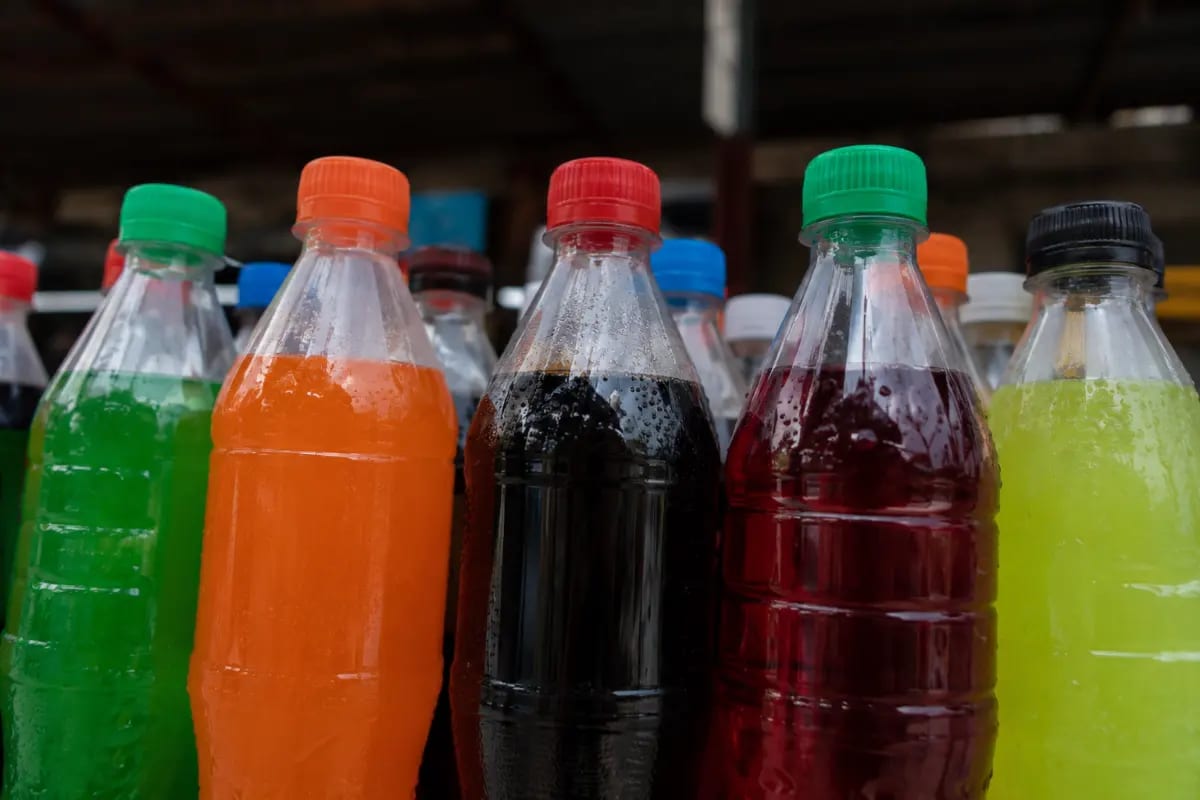
A new modeling study suggests that implementing a tax on sugary drinks in Egypt could significantly reduce the burden of noncommunicable diseases, including heart disease, diabetes, and stroke. The research estimates that such a policy could prevent thousands of cases and save the country $1.8 billion in healthcare costs over the next decade. The findings highlight the growing threat of sugary beverages to public health in Africa, where noncommunicable diseases are now a leading cause of death.
What We Know
Noncommunicable diseases like heart disease, stroke, diabetes, and cancer are now the leading cause of death across Africa, a shift once associated primarily with wealthier nations. One of the key drivers of this trend is the consumption of sugary drinks, which contribute to obesity, type 2 diabetes, and cardiovascular conditions. In Egypt, where sugary beverage consumption is high, a new study suggests that a tax on these drinks could have a profound impact on public health and healthcare spending.
The modeling study, conducted by researchers at the American University in Cairo and published in the journal BMJ Global Health, estimates that a 20% tax on sugary drinks could prevent over 100,000 cases of heart disease, 50,000 cases of diabetes, and 20,000 strokes over the next decade. The policy could also save Egypt approximately $1.8 billion in healthcare costs during the same period by reducing the need for treatment and hospitalizations related to these conditions.
Why This Matters
The findings come at a critical time for Egypt, where noncommunicable diseases account for nearly 80% of all deaths. The country has one of the highest rates of diabetes in the world, with over 10 million adults living with the condition. Sugary drinks, including sodas, energy drinks, and sweetened juices, are a major source of added sugars in the Egyptian diet, contributing to rising obesity rates and related health complications.
A tax on sugary drinks is not a new concept. Countries like Mexico, the United Kingdom, and South Africa have already implemented similar policies, with measurable success in reducing consumption. In Mexico, for example, a 10% tax on sugary drinks led to a 12% decline in purchases within two years. The Egyptian study builds on this global evidence, demonstrating that such a policy could be equally effective in an African context.
Public Health Impact
The potential benefits of a sugary drink tax extend beyond individual health outcomes. By reducing the incidence of chronic diseases, the policy could alleviate pressure on Egypt’s healthcare system, which is already strained by a growing population and limited resources. The $1.8 billion in projected savings could be redirected toward preventive care, public health campaigns, or infrastructure improvements, further strengthening the country’s ability to combat noncommunicable diseases.
Additionally, the tax could serve as a catalyst for broader public health initiatives. Revenue generated from the tax could fund nutrition education programs, promote access to healthier beverage alternatives, or support community based interventions to encourage physical activity. These complementary measures could amplify the policy’s impact, creating a more comprehensive approach to tackling obesity and related diseases.
Expert Perspective
Dr. Rasha Abou El Naga, lead author of the study and a public health researcher at the American University in Cairo, emphasized the urgency of addressing sugary drink consumption in Egypt. "The evidence is clear: sugary drinks are a major contributor to the rise of noncommunicable diseases in our country," she said. "A tax is a proven, cost effective tool to reduce consumption and improve health outcomes. The time to act is now."
Public health advocates have also welcomed the study’s findings, calling on the Egyptian government to prioritize the policy. "This is a win win for Egypt," said Dr. Ahmed Ezzat, a health economist at the World Health Organization’s Eastern Mediterranean Regional Office. "Not only will it save lives, but it will also generate revenue that can be reinvested in health promotion."
What's Next
The study’s authors are urging the Egyptian government to consider the findings as part of its national strategy to combat noncommunicable diseases. While no official policy has been announced, the research provides a strong evidence base for policymakers to act. Public health campaigns to raise awareness about the dangers of sugary drinks are also expected to play a key role in shifting consumer behavior, regardless of whether a tax is implemented.
For now, the focus remains on building political will and public support for the policy. If successful, Egypt could join a growing list of countries using fiscal measures to promote healthier diets and reduce the burden of chronic disease.
Key Takeaways
- A 20% tax on sugary drinks in Egypt could prevent over 170,000 cases of heart disease, diabetes, and stroke over a decade.
- The policy could save Egypt $1.8 billion in healthcare costs by reducing treatment and hospitalization needs.
- Global evidence shows that sugary drink taxes effectively reduce consumption and improve public health outcomes.
Frequently Asked Questions
How would a sugary drink tax work in Egypt?
A tax would increase the price of sugary drinks, making them less affordable and encouraging consumers to choose healthier alternatives. The revenue could fund public health initiatives.
Have other countries seen success with similar taxes?
Yes, countries like Mexico and the UK have reported significant reductions in sugary drink consumption after implementing taxes, along with improvements in public health.
What are the main health risks of sugary drinks?
Regular consumption of sugary drinks is linked to obesity, type 2 diabetes, heart disease, and tooth decay due to their high sugar content and empty calories.
Published by O. Ayodeji John | Review by MedSense Editorial Board












DISCUSSION (0)
POST A COMMENT