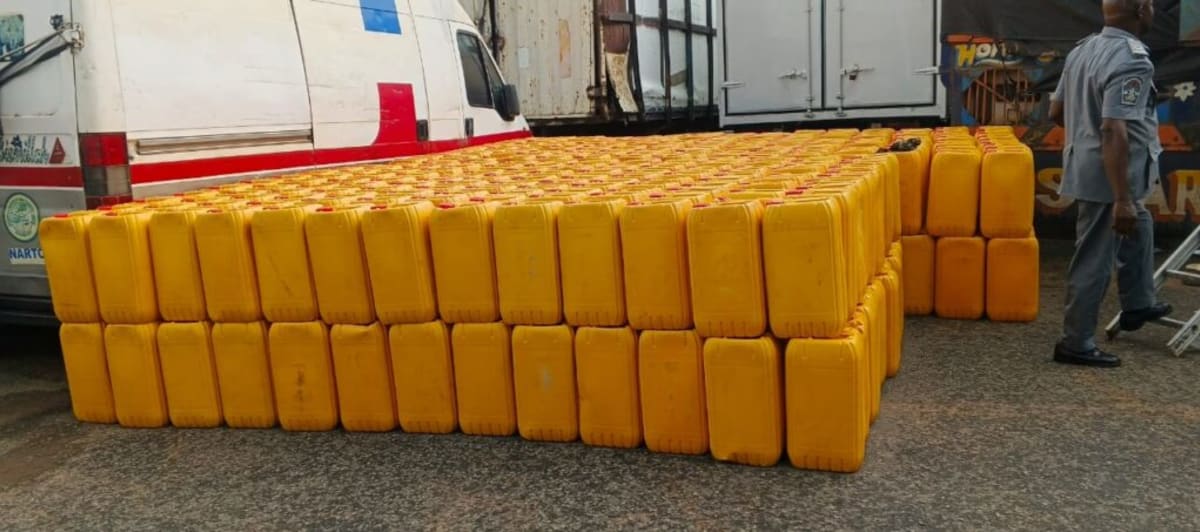
Nigerian authorities have seized 3,310 jerry cans of smuggled vegetable oil in a major operation, highlighting growing concerns over unregulated food imports and their potential health risks. The Nigeria Customs Service announced the interception on Monday, revealing that the contraband was discovered during a targeted anti smuggling raid in Owerri, Imo State. While the economic implications of smuggling are well documented, public health experts warn that unchecked food imports pose serious risks to consumers, including exposure to harmful additives, contamination, and mislabeling that could trigger allergic reactions or long term health complications.
What Happened
The Nigeria Customs Service, through its Federal Operations Unit in Zone C, intercepted 3,310 jerry cans of foreign vegetable oil during a coordinated operation. Comptroller Bishir Balogun confirmed the seizure in an official statement, emphasizing the scale of the smuggling attempt. The oil, which was not declared through official import channels, was likely destined for local markets where demand for affordable cooking oil remains high.
Why Public Health Officials Are Concerned
Smuggled food products bypass regulatory checks that ensure safety, quality, and compliance with national standards. In the case of vegetable oil, unregulated imports may contain undisclosed additives, such as artificial preservatives or colorants, which are banned or restricted in Nigeria. Contamination during transit or storage is another major risk, as smuggled goods often pass through unhygienic conditions. Additionally, mislabeling can conceal allergens or the presence of genetically modified ingredients, which could pose serious health risks to unsuspecting consumers.
Who May Be Affected
Consumers who purchase cooking oil from informal markets, street vendors, or unregistered retailers are most at risk. Low income households, which often rely on cheaper, unbranded products, are particularly vulnerable. Food vendors, including restaurants and street food sellers, may also unknowingly use smuggled oil, exposing large numbers of people to potential health hazards. Children and individuals with pre existing conditions, such as allergies or metabolic disorders, face heightened risks from unregulated additives or contaminants.
Government Response
The Nigeria Customs Service has intensified border surveillance and market inspections to curb the influx of smuggled goods. In collaboration with the National Agency for Food and Drug Administration and Control (NAFDAC), authorities are conducting random testing of vegetable oil samples in markets to detect unregistered or substandard products. NAFDAC has also urged consumers to purchase only branded, NAFDAC registered cooking oils and to report suspicious products to its hotlines.
Prevention and Safety Guidance
Consumers can reduce their risk by following these precautions:
- Purchase vegetable oil only from reputable retailers or supermarkets.
- Check for NAFDAC registration numbers on product labels.
- Avoid unbranded or suspiciously cheap oil, which may indicate smuggled or counterfeit products.
- Look for signs of tampering, such as broken seals or unusual packaging.
- Report any adverse reactions, such as allergic responses or digestive issues, to NAFDAC or a healthcare provider.
What Readers Should Know
While the economic impact of smuggling is significant, the public health risks are equally concerning. Unregulated food imports can introduce harmful substances into the food supply, with long term consequences for community health. Consumers play a critical role in safeguarding their well being by staying informed and making safe purchasing decisions. Authorities continue to strengthen enforcement, but vigilance from the public remains essential in combating the sale of smuggled and unsafe food products.
Key Takeaways
- Smuggled vegetable oil may contain harmful additives, contaminants, or mislabeled ingredients that pose health risks.
- Consumers should purchase only NAFDAC registered cooking oil from trusted retailers to avoid exposure to unsafe products.
- Authorities are increasing market surveillance and testing to detect unregulated food imports, but public awareness is key to prevention.
Frequently Asked Questions
What are the health risks of using smuggled vegetable oil?
Smuggled vegetable oil may contain unapproved additives, contaminants, or allergens that can cause allergic reactions, digestive issues, or long term health problems. It may also lack proper labeling, increasing the risk of exposure to harmful substances.
How can I identify safe vegetable oil in Nigeria?
Look for the NAFDAC registration number on the product label, purchase from reputable retailers, and avoid unbranded or suspiciously cheap oil. Check for intact seals and proper packaging to ensure the product has not been tampered with.
What should I do if I suspect I’ve purchased smuggled vegetable oil?
Report the product to NAFDAC through their official hotlines or website. If you experience any adverse health effects after using the oil, seek medical attention and inform your healthcare provider about the product.
Medical Review: MedSense Editorial Board
























DISCUSSION (0)
POST A COMMENT