What Happened
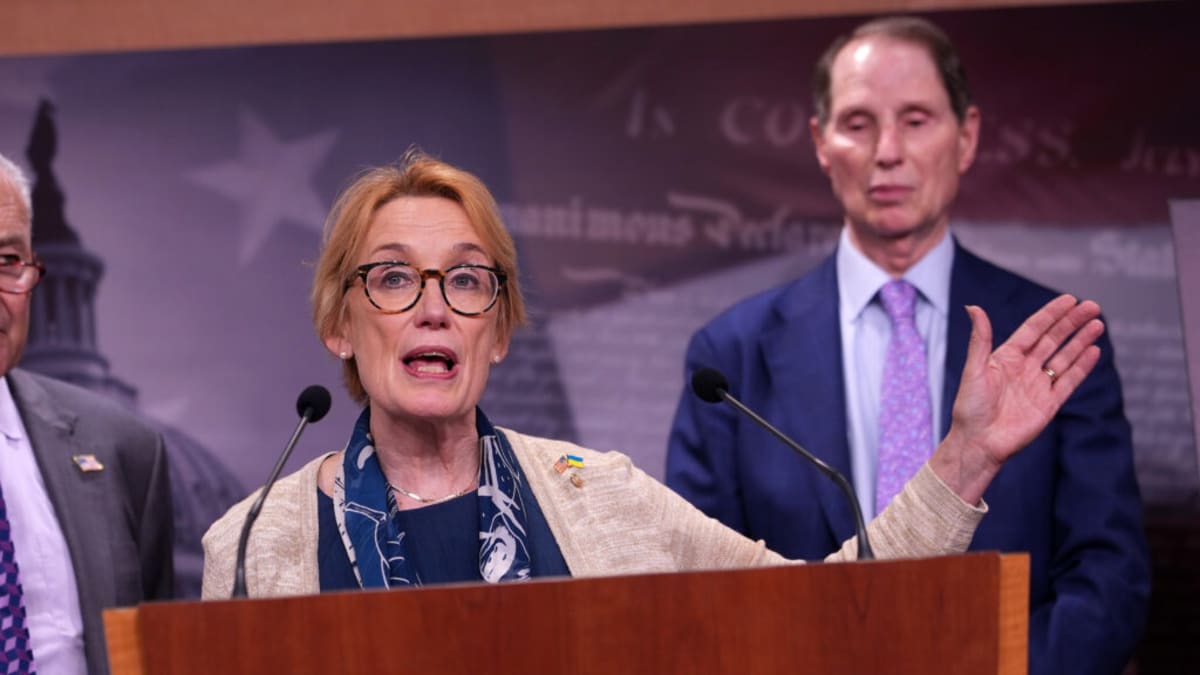
Senate Democrats have initiated an official inquiry into the Trump administration’s restructuring of federal vaccine policy, directing the Department of Health and Human Services to produce relevant documents by early next week. The request, framed as part of routine oversight, targets the rationale behind policy shifts that could have long term consequences for vaccine distribution, safety monitoring, and public trust in immunization programs.
The letter, signed by committee leaders, does not specify particular policy changes but reflects unease over reports of altered guidance, reduced funding for certain vaccine initiatives, and potential interference in scientific advisory processes. While the administration in question has since left office, the inquiry signals a push to evaluate whether policy decisions aligned with established public health best practices or introduced new vulnerabilities into the nation’s immunization framework.
Why Public Health Officials Are Concerned
Vaccine policy operates at the intersection of science, public trust, and healthcare infrastructure. Any abrupt or unexplained shifts in federal guidance can erode confidence in immunization programs, particularly at a time when vaccine hesitancy remains a persistent challenge. Public health experts have previously raised alarms about the potential consequences of politicizing vaccine policy, including reduced uptake of routine immunizations and weakened preparedness for future outbreaks.
The current inquiry also arrives as the U.S. continues to grapple with the aftermath of the COVID 19 pandemic, which exposed gaps in vaccine distribution systems and highlighted the critical role of federal coordination. Transparency in how policy decisions were made, and whether they were grounded in scientific evidence, could help restore faith in public health institutions and inform future crisis response strategies.
Who May Be Affected
The implications of this investigation extend beyond federal agencies. State and local health departments, which rely on federal guidance to shape their own immunization programs, could face renewed scrutiny over how they implemented or adapted to policy changes. Healthcare providers, particularly those in primary care, may also need to reassess their approach to vaccine recommendations if the inquiry uncovers inconsistencies in federal messaging.
For the public, the outcome of this inquiry could influence perceptions of vaccine safety and efficacy. If the records reveal that policy decisions were driven by factors other than scientific consensus, it may further polarize an already divided landscape. Conversely, if the documents demonstrate adherence to evidence based practices, it could help rebuild trust in federal health agencies.
Government Response and Next Steps
The Department of Health and Human Services has not yet publicly responded to the Senate’s request, but compliance with such inquiries is typically expected under congressional oversight authority. The deadline for document production is likely to prompt internal reviews within HHS, as officials gather records related to vaccine policy development, advisory committee communications, and interagency coordination.
Should the inquiry uncover evidence of irregularities or deviations from standard public health protocols, it could trigger additional hearings or legislative proposals aimed at strengthening safeguards for vaccine policy. Lawmakers may also use the findings to advocate for increased funding for immunization programs or reforms to advisory committee structures to prevent future politicization of scientific guidance.
Prevention and Safety Guidance
While the investigation unfolds, public health officials continue to emphasize the importance of adhering to established vaccine schedules. The Centers for Disease Control and Prevention recommends routine immunizations for children, adolescents, and adults to prevent outbreaks of vaccine preventable diseases such as measles, influenza, and pertussis. Individuals with questions about vaccines are encouraged to consult trusted healthcare providers or reputable sources like the CDC or World Health Organization.
For healthcare professionals, the inquiry serves as a reminder of the need for clear, consistent communication with patients about the safety and benefits of vaccines. Providers may also consider reviewing their own practices to ensure alignment with current evidence based guidelines, regardless of federal policy fluctuations.
What Readers Should Know
This investigation is not an indictment of vaccines themselves but rather an examination of the processes that govern federal vaccine policy. The outcome could have far reaching implications for how public health decisions are made in the U.S., particularly in areas where science intersects with policy. Readers should monitor developments from credible news sources and avoid drawing conclusions until the full scope of the records is made public.
For those concerned about vaccine policy, this moment presents an opportunity to engage with elected officials about the importance of evidence based decision making in public health. Advocacy groups and medical organizations may also use the findings to push for reforms that prioritize scientific integrity in federal health governance.
Key Takeaways
- Senate Democrats have demanded records from HHS regarding federal vaccine policy changes under the previous administration, with a deadline for document production set for next week.
- The inquiry aims to assess whether policy decisions aligned with scientific evidence and public health best practices, with potential implications for vaccine trust and preparedness.
- Public health officials, healthcare providers, and the general public may all be affected by the findings, which could influence future immunization programs and federal health governance.
- While the investigation is ongoing, experts continue to emphasize the importance of adhering to established vaccine schedules and consulting trusted sources for guidance.
Frequently Asked Questions
What specific vaccine policies are under investigation?
The Senate Democrats’ request does not specify particular policies but broadly targets the Trump administration’s restructuring of federal vaccine guidance. This could include changes to advisory committee processes, funding allocations, or communication strategies related to immunization programs.
How might this investigation impact current vaccine recommendations?
At this stage, the investigation is unlikely to alter existing vaccine recommendations from the CDC or other health authorities. However, if the inquiry uncovers significant deviations from evidence based practices, it could prompt reviews of current policies or lead to new legislative safeguards for public health decision making.
What should the public do while the investigation is ongoing?
The public should continue to follow established vaccine schedules and consult healthcare providers or reputable sources like the CDC for guidance. The investigation is focused on federal policy processes, not the safety or efficacy of vaccines themselves.
Could this inquiry lead to changes in how vaccine policy is made?
It is possible. If the investigation reveals gaps or irregularities in the policy making process, lawmakers may propose reforms to strengthen transparency, reduce politicization of scientific guidance, or enhance oversight of federal health agencies.
Medical Review: MedSense Editorial Board



















DISCUSSION (0)
POST A COMMENT