
A newly approved drug for Prader Willi syndrome, a rare genetic disorder causing extreme hunger and obesity, is under scrutiny after experts raised concerns about potential safety issues, including patient deaths. The drug, developed by Neurocrine Biosciences, received FDA approval earlier this year. While the exact cause of the deaths remains unclear, regulators and clinicians are closely monitoring the situation to determine whether the medication may be contributing to adverse outcomes in vulnerable patients.
Latest Developments
Neurocrine Biosciences’ newly approved drug for Prader Willi syndrome, a rare genetic disorder characterized by an insatiable appetite and metabolic complications, is facing scrutiny after reports of patient deaths potentially linked to its use. The drug, which received FDA approval in early 2024, is designed to address hyperphagia, the extreme, life threatening hunger associated with the condition.
While the exact relationship between the drug and the reported fatalities remains unclear, experts and regulators are investigating whether the medication may have contributed to adverse events in some patients. Prader Willi syndrome affects approximately 1 in 10,000 to 30,000 people worldwide, and patients often struggle with severe obesity, behavioral challenges, and metabolic disorders.
What We Know
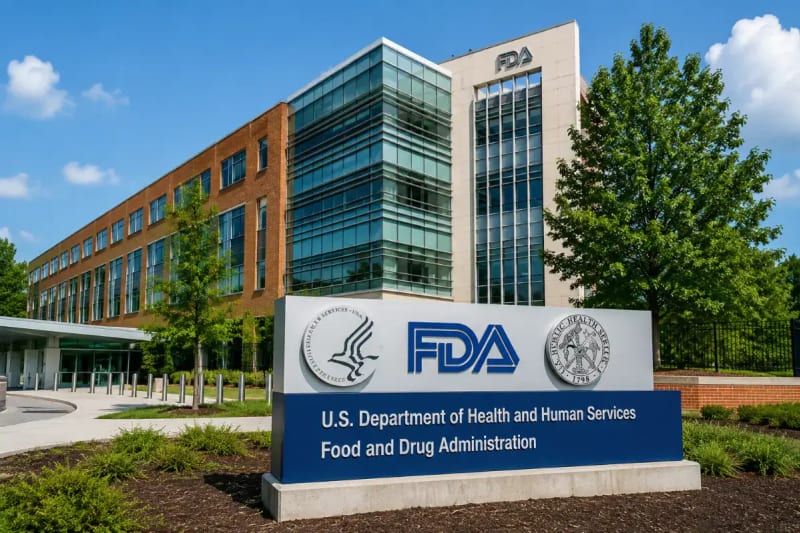
The drug, whose mechanism targets specific neural pathways to regulate appetite, was approved based on clinical trial data demonstrating its ability to reduce hyperphagia symptoms. However, post market surveillance has flagged concerns about unexpected complications, including respiratory and cardiovascular events in some patients. The FDA has not issued a formal warning but is reviewing the reports in collaboration with Neurocrine Biosciences.
Prader Willi syndrome patients are already at heightened risk for complications such as sleep apnea, heart disease, and diabetes due to their condition. This makes it challenging to determine whether the deaths are directly related to the drug or reflect the underlying severity of the disease itself. Clinicians emphasize the need for cautious prescribing and close monitoring of patients on the medication.
Why This Matters
The potential safety concerns highlight the complexities of treating rare diseases, where limited patient populations and urgent medical needs can accelerate drug approvals. Prader Willi syndrome has no approved treatments specifically targeting hyperphagia, leaving families and clinicians desperate for options. The emergence of this drug offered hope for improved quality of life, but the recent reports underscore the importance of rigorous post market monitoring.
For patients and caregivers, the situation raises difficult questions about risk versus benefit. While the drug may provide relief for some, the possibility of severe side effects demands careful consideration. Regulators and clinicians must balance the urgency of addressing unmet medical needs with the responsibility to ensure patient safety.
Expert Perspective
Dr. Jennifer Miller, a pediatric endocrinologist at the University of Florida and a leading researcher in Prader Willi syndrome, noted that while the drug’s approval was a significant milestone, the recent reports warrant caution. "This is a vulnerable population with complex medical needs," she said. "We must proceed with vigilance to understand whether these events are coincidental or directly related to the medication."
Miller emphasized the need for transparent data sharing between the manufacturer, regulators, and the medical community to clarify the drug’s safety profile. She also urged clinicians to report any adverse events promptly to help inform ongoing assessments.
What’s Next
The FDA is expected to provide updates as its review progresses, though a timeline for conclusions remains uncertain. Neurocrine Biosciences has stated it is cooperating fully with regulators and conducting its own internal review. In the meantime, clinicians are advised to discuss potential risks with patients and caregivers before initiating treatment.
For families affected by Prader Willi syndrome, the situation serves as a reminder of the challenges inherent in treating rare diseases. While new therapies offer hope, they also require careful evaluation to ensure they deliver on their promise without unintended consequences.
Key Takeaways
- A newly approved drug for Prader Willi syndrome is under investigation after reports of patient deaths potentially linked to its use.
- Experts emphasize the need for cautious prescribing and close monitoring due to the complexity of the disease and its complications.
- Regulators and clinicians are working to determine whether the deaths are related to the drug or reflect the underlying severity of Prader Willi syndrome.
Frequently Asked Questions
What is Prader Willi syndrome?
Prader Willi syndrome is a rare genetic disorder causing extreme hunger, obesity, behavioral challenges, and metabolic complications. It affects approximately 1 in 10,000 to 30,000 people worldwide.
Has the FDA issued a warning about the drug?
No, the FDA has not issued a formal warning but is reviewing reports of adverse events in collaboration with the drug’s manufacturer.
What should patients and caregivers do?
Patients and caregivers should discuss potential risks and benefits with their healthcare provider and report any adverse events immediately.
Published by O. Ayodeji | Review by MedSense Editorial Board




DISCUSSION (0)
POST A COMMENT