
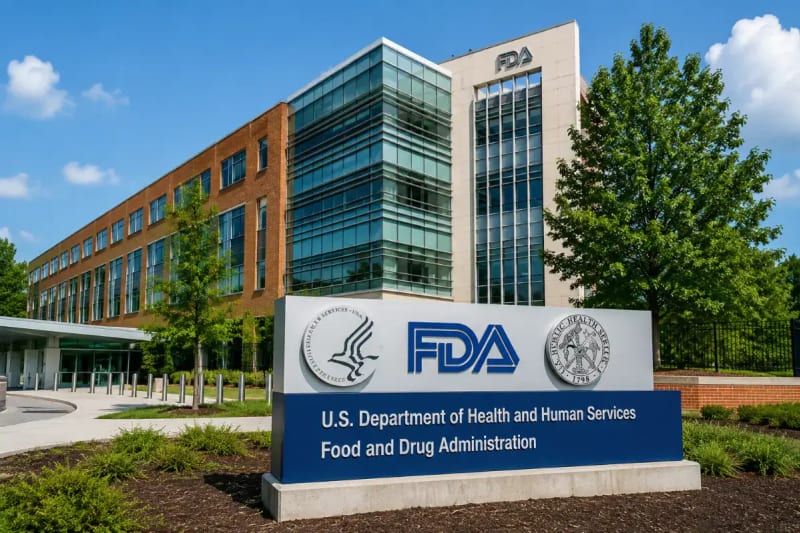
The US Food and Drug Administration has reiterated concerns about the sufficiency of clinical data supporting Replimune’s experimental skin cancer treatment. In a recent regulatory review, agency staff highlighted gaps that could delay or derail approval, despite the therapy’s potential as a novel immunotherapy for advanced cutaneous squamous cell carcinoma. The development adds fresh uncertainty to Replimune’s regulatory timeline and underscores the challenges of bringing new oncology drugs to market.
Latest Developments
The FDA has once again raised red flags over Replimune’s bid to secure approval for its investigational skin cancer therapy, RP1. In a staff review released ahead of an upcoming advisory committee meeting, regulators questioned whether the company’s clinical data sufficiently demonstrate the drug’s efficacy and safety for patients with advanced cutaneous squamous cell carcinoma, a form of non melanoma skin cancer.
RP1, an oncolytic immunotherapy designed to selectively infect and kill tumor cells while stimulating an immune response, has been under FDA scrutiny for months. The agency’s latest concerns echo previous feedback, suggesting Replimune may need to provide additional evidence before gaining regulatory clearance. The therapy is being evaluated as a monotherapy and in combination with other treatments, including checkpoint inhibitors.
Key Findings from FDA Review
The FDA’s review highlighted several critical issues with Replimune’s submission. Primary among them was the lack of robust, long term data demonstrating durable responses in patients. While early phase trials showed promise, with some patients experiencing tumor shrinkage, regulators noted that the overall response rates were inconsistent and that the duration of benefit remained unclear.
Another concern centered on the trial design. The FDA pointed out that the studies lacked a direct comparator arm, making it difficult to assess RP1’s performance relative to existing standard of care treatments. Additionally, the agency raised questions about the adequacy of safety monitoring, particularly regarding immune related adverse events, which are a known risk with immunotherapies.
Why This Matters
Cutaneous squamous cell carcinoma is the second most common form of skin cancer, with an estimated 1 million cases diagnosed annually in the US alone. While most cases are treatable with surgery or radiation, advanced or metastatic disease remains challenging to manage, with limited effective treatment options. RP1’s potential as a novel immunotherapy has generated significant interest among clinicians and patients, particularly for those who have exhausted other therapies.
The FDA’s repeated concerns, however, underscore the high bar for approval in oncology. Regulators are increasingly demanding not just evidence of tumor response, but also proof of meaningful clinical benefit, such as improved survival or quality of life. For Replimune, this means the path to approval may require additional trials or a revised data submission, potentially delaying patient access to the therapy.
Expert Perspective
Dr. Anna Pavlick, a medical oncologist at NYU Langone Health and an expert in skin cancer, noted that while the FDA’s cautious approach is understandable, it also reflects the complexities of evaluating new immunotherapies. "Oncolytic viruses like RP1 represent an exciting frontier in cancer treatment, but we need to ensure that the benefits outweigh the risks," she said. "The FDA’s concerns about durability of response and trial design are valid, but they also highlight the need for more innovative trial methodologies in oncology."
Pavlick added that the lack of a comparator arm in Replimune’s trials is a common challenge in early stage oncology research, where the goal is often to establish proof of concept before moving to larger, randomized studies. "This doesn’t necessarily mean the drug won’t work, but it does mean we need more data to be confident in its role," she said.
What’s Next
Replimune is scheduled to present its case before an FDA advisory committee in the coming weeks, where independent experts will weigh the therapy’s risks and benefits. The committee’s recommendation, while non binding, will carry significant weight in the FDA’s final decision. If the agency ultimately requests additional data, Replimune may need to conduct further trials, which could push back any potential approval by several years.
In a statement, Replimune said it remains committed to working with the FDA to address the agency’s concerns. "We believe in the potential of RP1 to provide a meaningful benefit to patients with advanced cutaneous squamous cell carcinoma," the company said. "We are reviewing the FDA’s feedback and will continue to engage with the agency to determine the best path forward."
For patients and clinicians, the outcome of this regulatory review will be closely watched. If approved, RP1 could offer a new option for those with limited treatment choices. However, the FDA’s latest feedback suggests that the road to approval may be longer and more complex than initially anticipated.
Key Takeaways
- The FDA has reiterated concerns about Replimune’s skin cancer therapy RP1, citing insufficient data on efficacy and safety.
- Regulators highlighted issues with trial design, including the lack of a comparator arm and unclear durability of patient responses.
- Replimune’s path to approval may require additional trials, potentially delaying patient access to the therapy.
Frequently Asked Questions
What is RP1 and how does it work?
RP1 is an oncolytic immunotherapy designed to infect and kill tumor cells while stimulating an immune response against cancer. It is being tested for advanced cutaneous squamous cell carcinoma.
Why is the FDA concerned about Replimune’s data?
The FDA has raised concerns about the lack of robust long term data, inconsistent response rates, and the absence of a direct comparator in clinical trials, making it difficult to assess the drug’s true benefit.
What happens next in the approval process?
Replimune will present its case before an FDA advisory committee. If the FDA requests additional data, the company may need to conduct further trials, potentially delaying approval.
Published by O. Ayodeji John | Review by MedSense Editorial Board






DISCUSSION (0)
POST A COMMENT