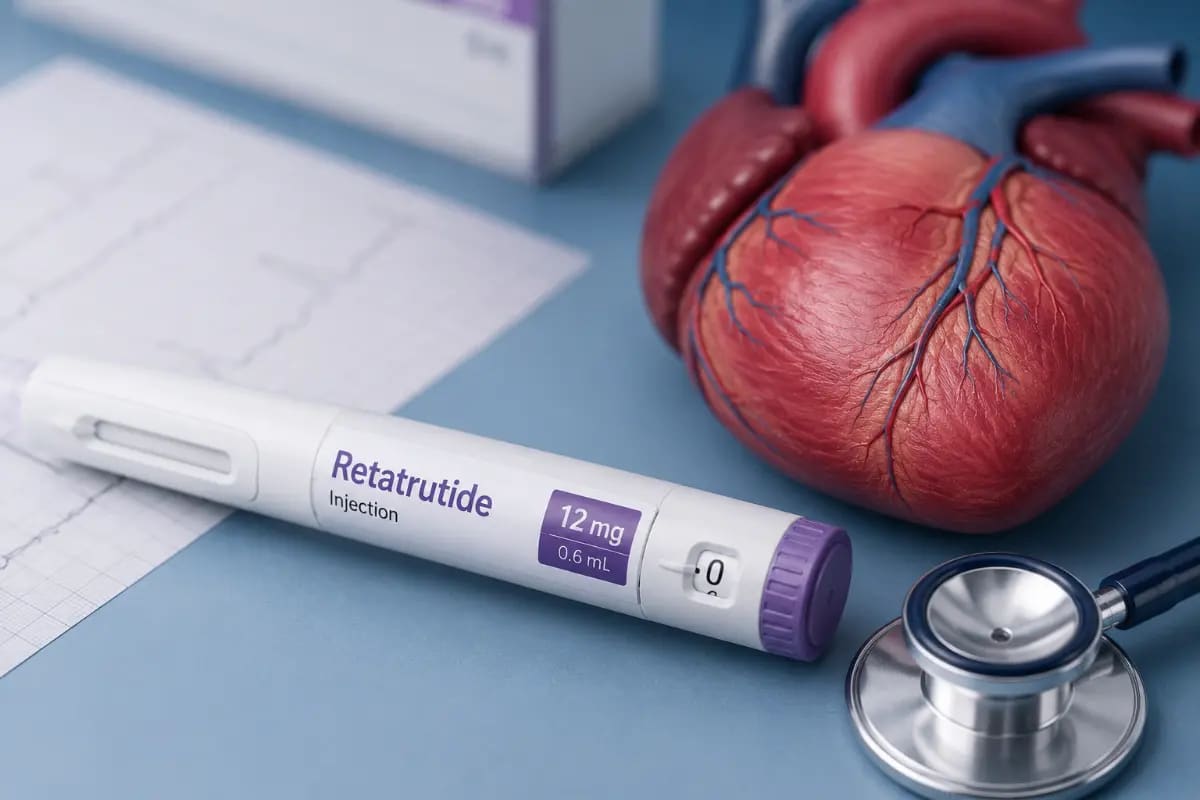
Eli Lilly's experimental obesity drug retatrutide has shown promise in weight loss but a recent study in patients with heart disease failed to answer whether it reduces cardiovascular risk. The findings, presented at a major medical conference, leave a significant gap in understanding the drug's long term safety profile. While retatrutide demonstrated substantial weight reduction, its impact on heart attack, stroke, or cardiovascular death remains unclear, raising questions about its broader clinical use.
Latest Developments
Eli Lilly's highly anticipated obesity drug retatrutide has hit a critical roadblock in its development. A new study involving patients with pre existing heart disease did not determine whether the drug reduces cardiovascular risk, a key concern for long term obesity treatment. The findings were presented at the European Society of Cardiology Congress in London.
The phase 2 trial, which included 281 participants with obesity and established cardiovascular disease, focused on weight loss rather than cardiovascular outcomes. While patients experienced significant weight reduction, the study was not designed to assess whether retatrutide lowers the risk of heart attack, stroke, or cardiovascular death. This leaves clinicians and regulators without crucial safety data needed for broader approval.
Why This Matters
Obesity affects over 650 million adults worldwide and is a major risk factor for cardiovascular disease. Effective weight loss medications could transform treatment for millions, but their long term safety remains a pressing concern. Previous obesity drugs have been withdrawn due to cardiovascular risks, making this data gap particularly concerning.
Retatrutide, a triple hormone receptor agonist, has shown remarkable weight loss results in earlier trials, with some patients losing up to 24% of their body weight. However, without clear evidence of cardiovascular benefit or safety, its role in clinical practice remains uncertain. The FDA typically requires cardiovascular outcome trials for new obesity drugs, especially those targeting high risk populations.
Expert Perspective
Dr. Amit Khera, a cardiologist at UT Southwestern Medical Center, emphasized the importance of comprehensive safety data. "Weight loss alone doesn't guarantee cardiovascular benefit. We've seen drugs that reduce weight but increase heart risks. Until we have definitive cardiovascular outcome data, retatrutide's place in therapy remains unclear."
The lack of cardiovascular data may delay retatrutide's approval or limit its use to lower risk populations. Lilly has initiated a larger phase 3 trial, TRIUMPH 2, which will specifically evaluate cardiovascular outcomes in patients with obesity and heart disease. Results are expected in 2027.
What's Next
Lilly's ongoing TRIUMPH 2 trial will be pivotal in determining retatrutide's future. The study, enrolling 18,000 participants, is designed to assess whether the drug reduces major adverse cardiovascular events. If successful, it could pave the way for broader approval and use in high risk patients.
In the meantime, clinicians are likely to proceed with caution. The American Heart Association has previously warned that obesity drugs should not be prescribed solely for weight loss without considering cardiovascular risks. Patients with pre existing heart conditions may need to wait for more definitive data before considering retatrutide as a treatment option.
Key Takeaways
- Lilly's retatrutide showed significant weight loss but failed to clarify cardiovascular risk in heart disease patients.
- The lack of cardiovascular outcome data may delay approval or limit the drug's use to lower risk populations.
- A larger phase 3 trial, TRIUMPH 2, is underway to assess cardiovascular safety, with results expected in 2027.
Frequently Asked Questions
What is retatrutide?
Retatrutide is an experimental obesity drug developed by Eli Lilly that acts on three hormone receptors to promote weight loss.
Why is cardiovascular risk data important for obesity drugs?
Obesity drugs are often used long term, and some previous medications have been linked to increased heart risks. Regulators require safety data to ensure benefits outweigh potential harms.
When will we know if retatrutide is safe for heart patients?
Results from Lilly's TRIUMPH 2 trial, which is specifically studying cardiovascular outcomes, are expected in 2027.
Published by O. Ayodeji John | Review by MedSense Editorial Board








DISCUSSION (0)
POST A COMMENT