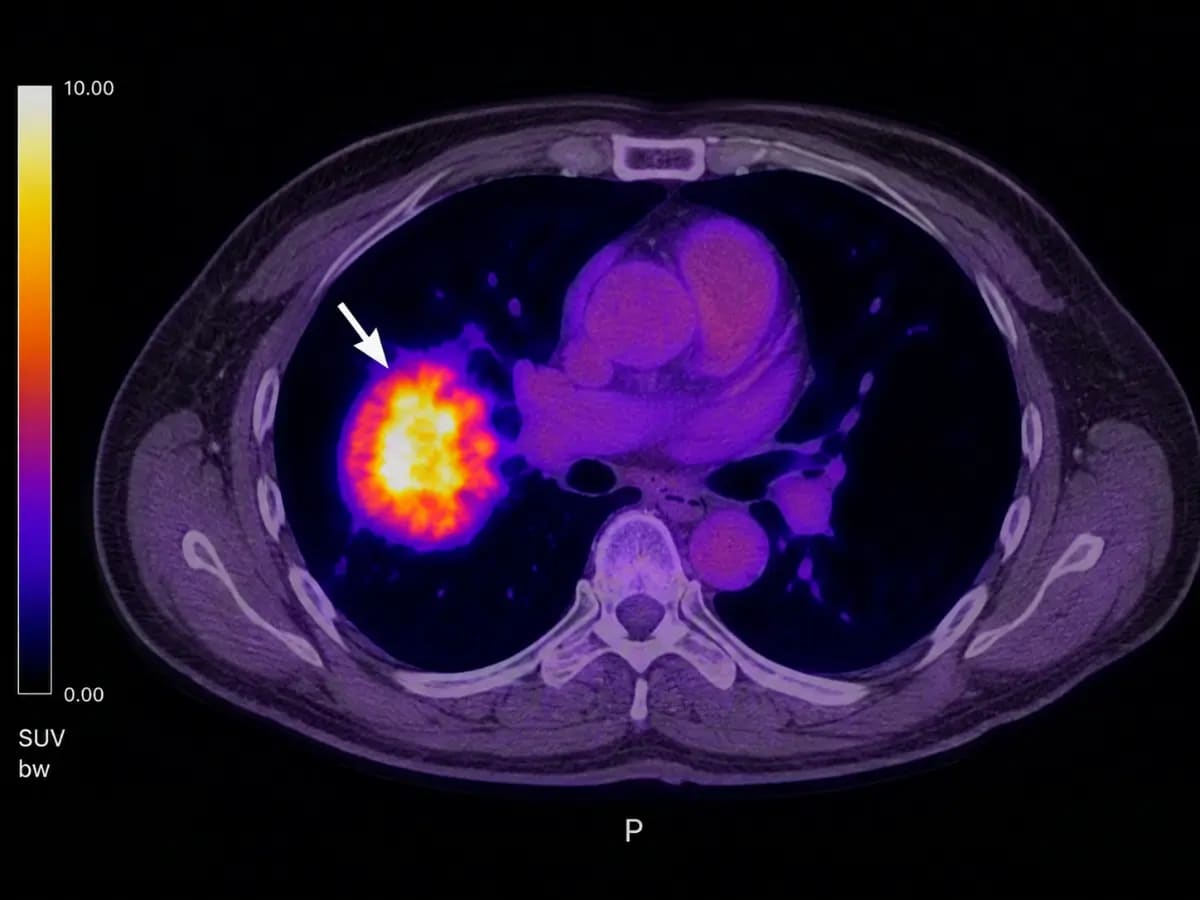
Radiopharmaceuticals, a class of targeted cancer therapies combining radioactive isotopes with pharmaceuticals, are generating significant excitement in oncology. Recent advances have demonstrated their potential to treat previously untreatable cancers, particularly metastatic prostate cancer. However, emerging safety concerns and regulatory scrutiny are creating new obstacles for developers, raising questions about the future pace of innovation in this promising field.
Latest Developments in Radiopharmaceuticals
Radiopharmaceuticals have emerged as one of the most promising frontiers in cancer treatment, with two recent FDA approvals in metastatic prostate cancer marking a turning point for the field. The approval of Pluvicto (lutetium Lu 177 vipivotide tetraxetan) in March 2022 and Locametz (kit for the preparation of gallium Ga 68 gozetotide) in December 2022 represented the first FDA approved radiopharmaceuticals in two decades. These therapies use radioactive isotopes to deliver targeted radiation directly to cancer cells, minimizing damage to healthy tissue.
Clinical trials have shown remarkable results, particularly in patients with advanced prostate cancer who have exhausted other treatment options. The Phase 3 VISION trial demonstrated that Pluvicto reduced the risk of death by 38% compared to standard care in patients with progressive, PSMA positive metastatic prostate cancer. Similar enthusiasm surrounds other radiopharmaceuticals in development for breast, lung, and neuroendocrine cancers, with dozens of candidates in clinical trials.
Emerging Safety Concerns
The rapid advancement of radiopharmaceuticals has been accompanied by growing safety concerns that are now prompting regulatory scrutiny. The most pressing issue involves the potential for long term toxicity from radiation exposure, particularly in patients receiving multiple doses. While acute side effects such as fatigue, nausea, and bone marrow suppression are well documented, the long term consequences of repeated radiation exposure remain poorly understood.
A recent analysis published in *JAMA Oncology* highlighted concerns about secondary malignancies developing years after treatment. The study reviewed data from patients treated with lutetium 177 based therapies and found a small but statistically significant increase in secondary cancers compared to control groups. While the absolute risk remains low, the findings have raised questions about the long term safety profile of these therapies, particularly for patients who may receive multiple cycles of treatment over years.
Manufacturing challenges also pose significant safety risks. Radiopharmaceuticals require specialized production facilities with strict radiation safety protocols. The complexity of handling radioactive materials has led to several high profile incidents in recent years, including contamination events at manufacturing sites and dosing errors that resulted in patients receiving incorrect radiation levels. These incidents have prompted the FDA to increase inspections of radiopharmaceutical production facilities and tighten manufacturing standards.
Regulatory Scrutiny Intensifies
The FDA has signaled that it will take a more cautious approach to radiopharmaceutical approvals moving forward, particularly for therapies targeting earlier stages of disease or broader patient populations. In a recent guidance document, the agency emphasized the need for longer term safety data and more rigorous post marketing surveillance requirements. The European Medicines Agency has adopted a similar stance, with regulators in both regions now requiring comprehensive dosimetry studies as part of clinical trial protocols.
These regulatory shifts are creating delays for companies developing next generation radiopharmaceuticals. Novartis, which markets Pluvicto, has already reported delays in expanding the drug's label to earlier lines of treatment due to additional FDA requests for safety data. Other developers, including Bayer and Point Biopharma, have seen their timelines pushed back as regulators demand more comprehensive risk benefit analyses.
The heightened scrutiny reflects a broader trend in oncology, where regulators are increasingly prioritizing long term safety over rapid approval timelines. This approach aims to prevent another Vioxx like scenario, where a drug's long term risks only became apparent after widespread use. For radiopharmaceuticals, the stakes are particularly high given the irreversible nature of radiation exposure.
Why This Matters for Patients and Providers
The stakes for radiopharmaceuticals extend beyond corporate balance sheets. For patients with advanced cancers who have exhausted standard treatments, these therapies represent a lifeline. The ability to target cancer cells with precision while sparing healthy tissue offers hope where few options remain. However, the emerging safety concerns threaten to undermine this promise if not addressed transparently and rigorously.
Clinicians face a growing dilemma in balancing the potential benefits of radiopharmaceuticals against their unknown long term risks. The current evidence suggests that for patients with limited life expectancy, the benefits may outweigh the risks. However, for those with earlier stage disease or longer life expectancies, the calculus becomes more complex. The lack of long term safety data makes informed decision making challenging for both patients and providers.
The situation is further complicated by disparities in access to these therapies. Radiopharmaceuticals require specialized infrastructure, including PET/CT scanners and trained personnel, which are concentrated in major academic medical centers. This geographic concentration limits access for patients in rural areas or developing countries, exacerbating existing healthcare inequities. The safety concerns may further restrict access if regulators impose additional restrictions on prescribing or administration.
What's Next for Radiopharmaceutical Development
Despite the challenges, the pipeline for radiopharmaceuticals remains robust, with more than 50 candidates in clinical development. Companies are exploring innovative approaches to address safety concerns, including the use of shorter lived isotopes and alternative targeting mechanisms. The development of companion diagnostics, such as PSMA PET imaging, is also improving patient selection and reducing unnecessary exposure to radiation.
Regulatory agencies are expected to continue refining their approach to radiopharmaceutical approvals, with a focus on balancing innovation with patient safety. The FDA's Oncology Center of Excellence has indicated that it will convene an advisory committee meeting later this year to discuss the long term safety of radiopharmaceuticals, which could lead to updated guidance for developers.
For patients, the most immediate impact will likely be slower expansion of approved indications and more stringent eligibility criteria for clinical trials. Providers will need to stay informed about evolving safety data and participate in shared decision making with patients. The field's future will depend on whether developers can address the safety concerns while maintaining the therapeutic promise that has driven so much excitement.
Key Takeaways
- Radiopharmaceuticals show strong potential in treating metastatic prostate cancer but face growing safety concerns, particularly regarding long term radiation toxicity.
- Regulatory scrutiny is intensifying, with the FDA and EMA demanding more comprehensive safety data before approving new indications or therapies.
- Access to these advanced treatments remains limited by infrastructure requirements and emerging safety concerns, potentially exacerbating healthcare disparities.
Frequently Asked Questions
What are radiopharmaceuticals and how do they work?
Radiopharmaceuticals are targeted cancer therapies that combine radioactive isotopes with pharmaceuticals to deliver radiation directly to cancer cells while minimizing damage to healthy tissue.
What are the main safety concerns with radiopharmaceuticals?
The primary safety concerns include potential long term toxicity from radiation exposure, secondary malignancies, and manufacturing challenges that could lead to dosing errors or contamination.
How are regulators responding to these safety concerns?
Regulators including the FDA and EMA are increasing scrutiny, requiring longer term safety data, more rigorous post marketing surveillance, and comprehensive dosimetry studies before approving new therapies or expanding indications.
Published by Damilare | Review by MedSense Editorial Board








DISCUSSION (0)
POST A COMMENT