What Happened
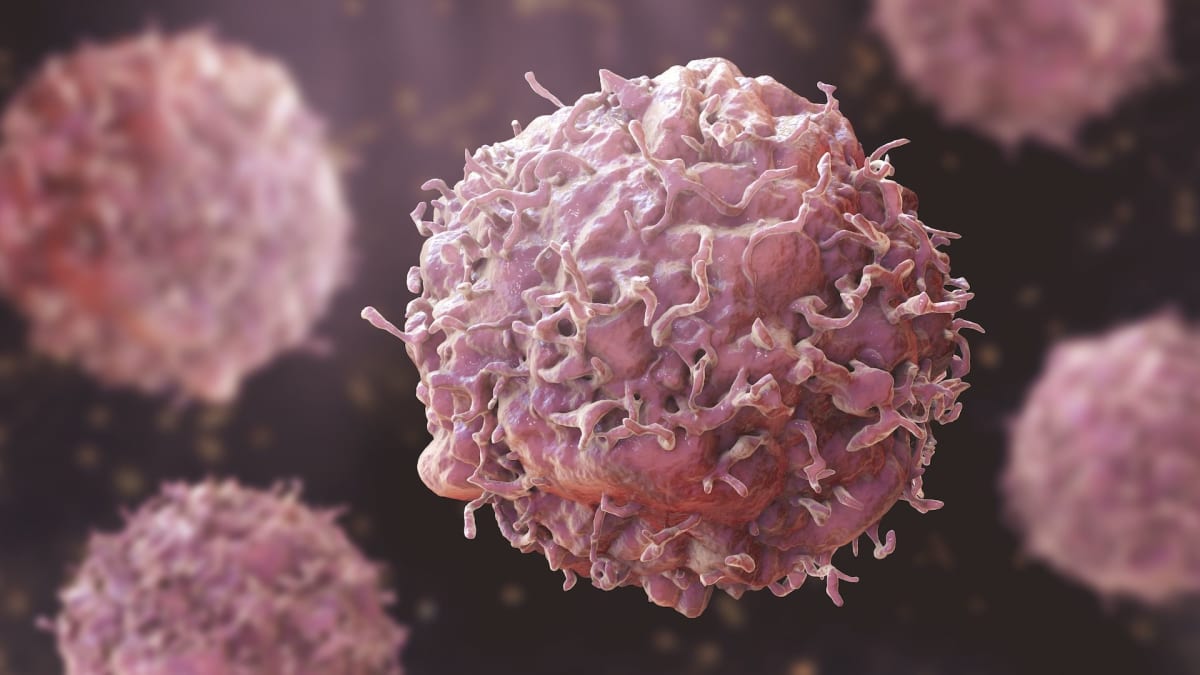
Nigeria is witnessing a steady increase in cancer diagnoses among individuals under 40, a demographic historically considered low risk. Data from the Nigerian National System of Cancer Registries shows that breast, cervical, and prostate cancers are now appearing earlier in life, often at more aggressive stages. Unlike older patients, younger individuals frequently face delayed diagnoses due to misconceptions about their risk, limited awareness, and financial barriers to healthcare. Environmental exposures, such as air pollution from generators and vehicle emissions, as well as dietary shifts toward processed foods, are compounding the problem.
Why Public Health Officials Are Concerned
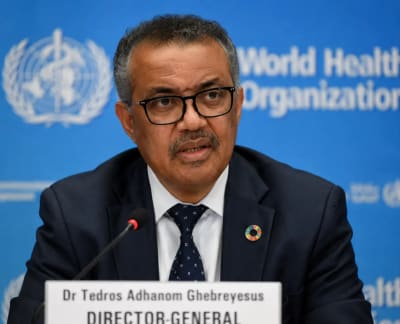
The rise in early onset cancers poses a dual threat: to individual lives and to Nigeria’s already strained healthcare system. Younger patients often require more intensive treatment due to the aggressive nature of their cancers, increasing the burden on oncology units. Additionally, the economic impact is severe, as many young Nigerians are in their prime working years. Public health officials warn that without targeted prevention efforts, the country could face a long term crisis, with rising mortality rates and escalating healthcare costs. The World Health Organization estimates that cancer cases in Africa will double by 2040, making prevention a critical priority.
Symptoms or Risk Factors
While cancer symptoms vary by type, common warning signs in young adults include:
- Unexplained weight loss or persistent fatigue
- Lumps or swelling in the breast, testicles, or lymph nodes
- Changes in skin moles or persistent sores
- Abnormal bleeding or discharge
- Chronic pain or discomfort in specific areas
Key risk factors for young Nigerians include:
- Diet: High consumption of processed foods, sugary drinks, and red meat, coupled with low intake of fruits and vegetables.
- Environmental exposures: Prolonged exposure to air pollution, secondhand smoke, and industrial chemicals.
- Lifestyle habits: Sedentary behavior, excessive alcohol consumption, and tobacco use, including shisha and smokeless tobacco.
- Infections: Human papillomavirus (HPV) and hepatitis B, which are linked to cervical and liver cancers, respectively.
- Delayed medical care: Ignoring early symptoms due to stigma, fear, or lack of awareness.
Who May Be Affected
While cancer can strike anyone, certain groups of young Nigerians face higher risks:
- Women aged 20 to 40, particularly those with a family history of breast or cervical cancer.
- Men in their 30s and 40s, who are increasingly diagnosed with prostate and colorectal cancers.
- Urban dwellers exposed to higher levels of pollution and sedentary lifestyles.
- Individuals with limited access to healthcare, including those in rural areas or low income communities.
- Young adults with chronic infections, such as HPV or hepatitis B, who have not been vaccinated or treated.
Prevention and Safety Guidance
Preventing cancer in young Nigerians requires a combination of individual action and systemic change. Here are evidence based strategies to reduce risk:
- Adopt a balanced diet: Prioritize whole foods, such as fruits, vegetables, whole grains, and lean proteins. Limit processed foods, sugary snacks, and red meat. The World Cancer Research Fund recommends filling at least two thirds of your plate with plant based foods.
- Stay physically active: Aim for at least 150 minutes of moderate exercise per week, such as brisk walking, cycling, or swimming. Regular activity helps maintain a healthy weight and reduces inflammation, both of which lower cancer risk.
- Avoid tobacco and limit alcohol: Tobacco use is linked to at least 15 types of cancer, while alcohol increases the risk of breast, liver, and esophageal cancers. Even occasional use can have long term consequences.
- Protect yourself from infections: Vaccinate against HPV and hepatitis B, both of which are major contributors to cancer. Practice safe sex and seek treatment for chronic infections promptly.
- Reduce environmental exposures: Minimize time spent in heavily polluted areas, avoid secondhand smoke, and use protective gear if you work with chemicals or radiation. Indoor air pollution from cooking with solid fuels is also a significant risk factor in many Nigerian households.
- Prioritize early detection: Regular self exams, such as breast and testicular checks, can help identify abnormalities early. Women should undergo cervical cancer screening (Pap smears or HPV tests) starting at age 25, while men should discuss prostate cancer screening with their doctors from age 40, especially if they have a family history.
What Readers Should Know
Cancer prevention is not just about avoiding risk factors; it’s about empowering young Nigerians with the knowledge and tools to take control of their health. While genetics and environmental factors play a role, lifestyle choices remain the most controllable aspect of cancer risk. Public health campaigns, workplace wellness programs, and community education can all contribute to a culture of prevention. For individuals, the message is clear: small, consistent changes can have a profound impact on long term health. If you notice persistent symptoms, seek medical advice without delay, early detection saves lives.
For policymakers and healthcare providers, the challenge is to make prevention accessible. This includes expanding vaccination programs, improving air quality regulations, and increasing funding for cancer screening and treatment. The rising tide of early onset cancers is a call to action, one that requires collaboration across sectors to protect Nigeria’s next generation.
Key Takeaways
- Up to 50% of cancer cases could be prevented through lifestyle changes, such as diet, exercise, and avoiding tobacco and alcohol.
- Young Nigerians face unique risk factors, including environmental pollution, poor dietary habits, and delayed medical care, which contribute to rising cancer rates.
- Early detection through self exams, screenings, and prompt medical attention is critical to improving outcomes for young cancer patients.
- Public health efforts, including vaccination programs and pollution control, are essential to reducing the long term burden of cancer in Nigeria.
Frequently Asked Questions
Why are cancer rates rising among young Nigerians?
Cancer rates are increasing in young Nigerians due to a combination of lifestyle factors, such as poor diet, lack of physical activity, and tobacco use, as well as environmental exposures like air pollution and delayed medical care. These factors contribute to earlier and more aggressive cancer diagnoses.
What are the most common cancers affecting young Nigerians?
The most common cancers in young Nigerians include breast, cervical, prostate, and colorectal cancers. These are often diagnosed at later stages due to limited awareness and access to screening.
How can I reduce my risk of cancer?
You can reduce your cancer risk by adopting a healthy diet rich in fruits and vegetables, staying physically active, avoiding tobacco and excessive alcohol, protecting yourself from infections like HPV and hepatitis B, and getting regular screenings for early detection.
At what age should I start cancer screenings?
Women should start cervical cancer screening (Pap smears or HPV tests) at age 25. Men with a family history of prostate cancer should discuss screening with their doctors from age 40. Breast and testicular self exams can be done regularly at any age.
What role does the environment play in cancer risk?
Environmental factors, such as air pollution, secondhand smoke, and exposure to industrial chemicals, can increase cancer risk. Minimizing exposure to these hazards, especially in urban areas, is an important part of prevention.
Medical Review: MedSense Editorial Board















DISCUSSION (0)
POST A COMMENT