
What Happened
The rescue operation, announced this week by the Global Anti Human Trafficking Organisation, targeted networks operating across three West African nations. The girls, whose ages and identities remain protected, were deceived with offers of domestic work, waitressing jobs, or other forms of employment abroad. Instead, they were transported to unfamiliar countries where they were coerced into prostitution, stripped of their documents, and subjected to physical and psychological abuse. Their accounts align with patterns observed in trafficking cases globally: false promises, debt bondage, and the exploitation of economic desperation.
The operation highlights the transnational nature of human trafficking, where victims are often moved across multiple countries to evade detection and complicate rescue efforts. Mali, Burkina Faso, and Côte d’Ivoire have all been identified by international agencies as high risk zones for trafficking, with porous borders and limited law enforcement capacity exacerbating the problem. The involvement of Nigerian authorities in the rescue signals a growing, if uneven, commitment to addressing the crisis at its roots.
Why Public Health Officials Are Concerned
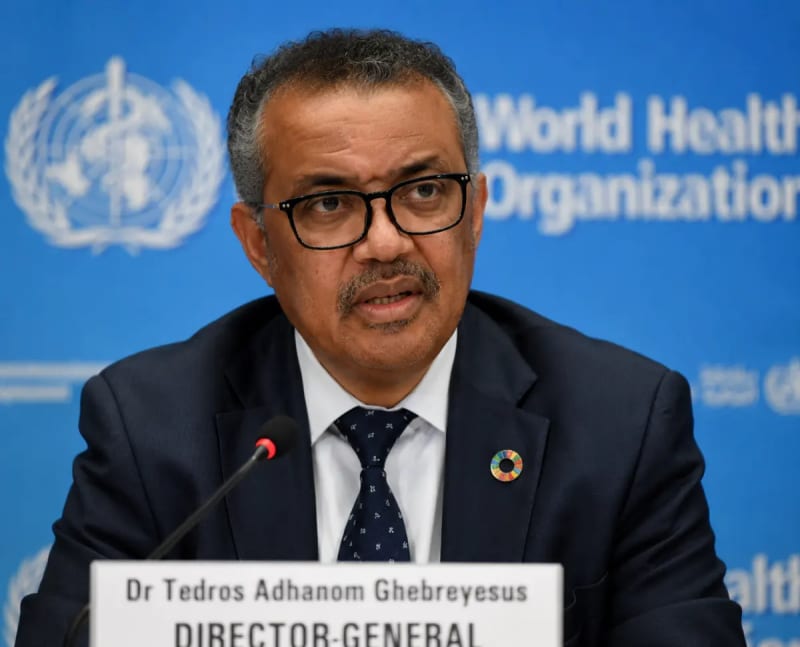
Human trafficking is increasingly recognized as a public health emergency, not just a law enforcement issue. The World Health Organization and other global bodies have framed trafficking as a violation of human rights with severe health consequences. Survivors frequently suffer from a range of physical and mental health issues, including sexually transmitted infections, unwanted pregnancies, post traumatic stress disorder, depression, and substance abuse. The trauma is often compounded by social stigma, making reintegration into communities a significant challenge.
For young women and girls, the risks are particularly acute. The United Nations Office on Drugs and Crime reports that women and girls account for nearly 70% of detected trafficking victims globally, with sexual exploitation being the most common form of abuse. In West Africa, economic instability, conflict, and displacement have created fertile ground for traffickers to exploit vulnerable populations. The COVID 19 pandemic further exacerbated these vulnerabilities, as lockdowns and economic downturns pushed more individuals into precarious situations where traffickers could operate with impunity.
Who May Be Affected
While this rescue involved Nigerian girls, the threat of human trafficking extends to individuals across West Africa and beyond. Key groups at risk include:
- Economically disadvantaged youth: Those with limited access to education or job opportunities are often targeted with false promises of employment abroad.
- Migrants and displaced persons: Refugees and internally displaced individuals, particularly those fleeing conflict or natural disasters, are highly vulnerable to exploitation.
- Women and girls in patriarchal societies: Gender inequality and limited economic opportunities increase susceptibility to trafficking, especially in regions where women have fewer legal protections.
- Children: Minors are frequently trafficked for forced labor, domestic servitude, or sexual exploitation, often under the guise of adoption or education opportunities.
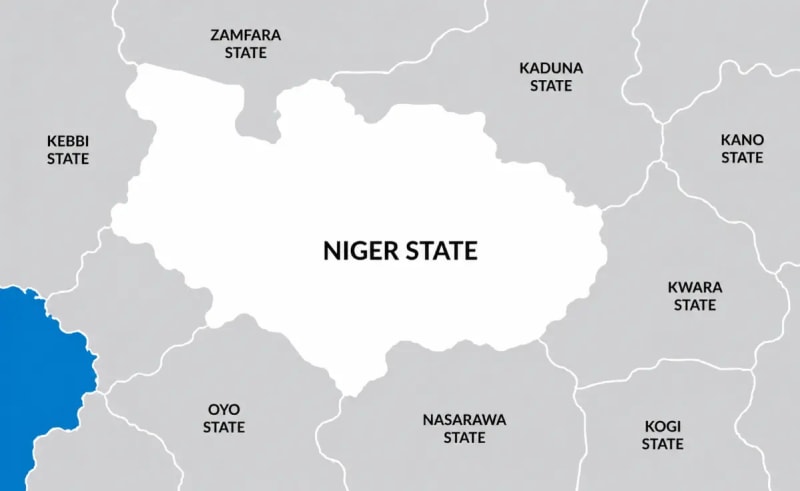
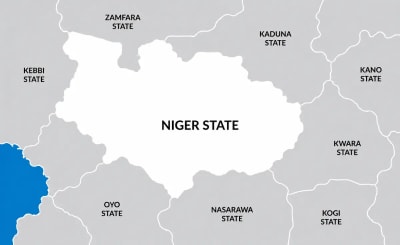
In Nigeria, Edo State has long been identified as a hotspot for human trafficking, with cultural and economic factors contributing to its prevalence. However, the crisis is not confined to any single region or country. Trafficking networks operate across borders, exploiting gaps in law enforcement and victim protection systems.
Government and International Response
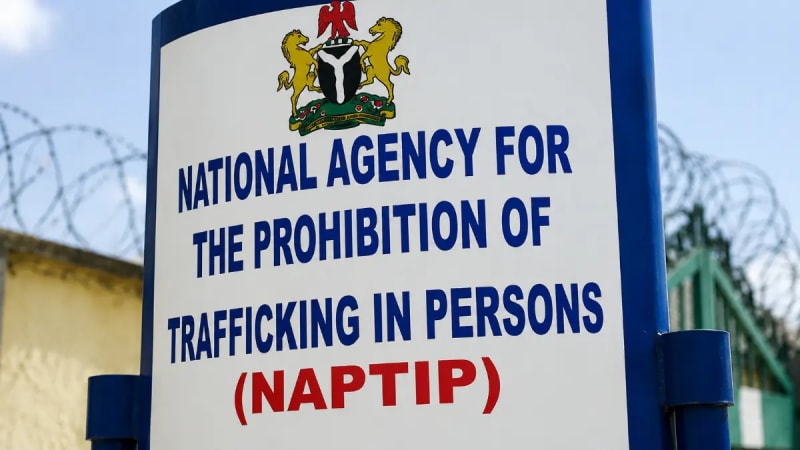
The Nigerian government has taken steps to combat human trafficking, including the establishment of the National Agency for the Prohibition of Trafficking in Persons. However, critics argue that enforcement remains inconsistent, and resources for victim support are often inadequate. The recent rescue operation reflects a collaborative effort between local NGOs and state agencies, but sustained action is needed to dismantle trafficking networks and address the root causes of exploitation.
Internationally, organizations such as the United Nations Office on Drugs and Crime and the International Organization for Migration have called for a multi pronged approach to tackling trafficking. This includes strengthening cross border cooperation, improving victim identification and protection, and addressing the economic and social factors that drive vulnerability. The European Union and other global partners have also provided funding and technical support to West African nations to enhance their anti trafficking efforts.
Prevention and Safety Guidance
Preventing human trafficking requires a combination of awareness, education, and systemic change. Here’s what individuals, families, and communities can do to reduce risk:
- Verify job offers: Be wary of job opportunities abroad that promise high pay for minimal work. Research the employer, recruitment agency, and destination country thoroughly. Legitimate employers will not ask for payment upfront or confiscate travel documents.
- Educate vulnerable groups: Young people, migrants, and economically disadvantaged individuals should be informed about the tactics traffickers use, such as false promises, debt bondage, and coercion.
- Report suspicious activity: If you suspect someone is being trafficked or is at risk, contact local law enforcement or anti trafficking organizations. In Nigeria, the National Agency for the Prohibition of Trafficking in Persons operates a hotline for reporting cases.
- Support survivors: Survivors of trafficking often face stigma and isolation. Community based support, including access to healthcare, legal aid, and psychological counseling, is critical for recovery and reintegration.
- Advocate for systemic change: Push for policies that address the root causes of trafficking, such as poverty, gender inequality, and lack of economic opportunities. Support organizations working to combat trafficking and protect victims.
What Readers Should Know
Human trafficking is a hidden but pervasive crisis that affects millions of people worldwide. The rescue of these seven Nigerian girls is a reminder of both the brutality of trafficking networks and the resilience of survivors. However, it is also a call to action. Combating trafficking requires vigilance, education, and a commitment to addressing the systemic inequalities that make exploitation possible.
For those in West Africa or other high risk regions, awareness is the first line of defense. Understanding the tactics traffickers use, recognizing the signs of exploitation, and knowing how to seek help can save lives. For the broader global community, supporting anti trafficking initiatives and advocating for stronger protections for vulnerable populations is essential.
If you or someone you know is at risk of trafficking, resources are available. In Nigeria, the National Agency for the Prohibition of Trafficking in Persons can be reached via their hotline. International organizations such as the International Organization for Migration and the United Nations Office on Drugs and Crime also provide guidance and support for victims and their families.
Key Takeaways
- Seven Nigerian girls were rescued from human trafficking networks in Mali, Burkina Faso, and Côte d’Ivoire after being lured with false job promises and forced into prostitution.
- Human trafficking is a public health crisis with severe physical and psychological consequences for survivors, including trauma, STIs, and social stigma.
- Women and girls are disproportionately affected, accounting for nearly 70% of detected trafficking victims globally, with sexual exploitation being the most common form of abuse.
- Prevention requires awareness, education, and systemic change, including verifying job offers, reporting suspicious activity, and supporting policies that address root causes like poverty and gender inequality.
- Governments and international organizations are working to combat trafficking, but enforcement remains inconsistent, and victim support systems are often under resourced.
Frequently Asked Questions
What are the common signs that someone may be a victim of human trafficking?
Signs of human trafficking can include sudden changes in behavior, signs of physical abuse, lack of control over personal documents, restricted communication, and working excessively long hours under poor conditions. Victims may also appear fearful, anxious, or submissive, particularly in the presence of others. If you suspect someone is being trafficked, contact local authorities or anti trafficking organizations immediately.
How can I verify if a job offer abroad is legitimate?
Legitimate job offers will not require upfront payments, confiscate your travel documents, or involve vague job descriptions. Research the employer and recruitment agency online, check for reviews or complaints, and verify the company’s registration with relevant authorities. If possible, speak to someone who has worked for the employer or in the destination country. Trust your instincts, if an offer seems too good to be true, it likely is.
What should I do if I suspect someone is being trafficked?
Do not confront the suspected trafficker directly, as this could put the victim at greater risk. Instead, report your concerns to local law enforcement or a trusted anti trafficking organization. In Nigeria, you can contact the National Agency for the Prohibition of Trafficking in Persons via their hotline. Provide as much detail as possible, including locations, descriptions, and any observed behaviors.
What support is available for survivors of human trafficking?
Survivors of human trafficking may need medical care, psychological counseling, legal assistance, and help with reintegration into society. Organizations such as the International Organization for Migration, the United Nations Office on Drugs and Crime, and local NGOs provide support services. In Nigeria, the National Agency for the Prohibition of Trafficking in Persons offers shelter, legal aid, and rehabilitation programs for survivors.
Why is human trafficking considered a public health issue?
Human trafficking is a public health issue because it has severe and lasting impacts on the physical and mental health of survivors. Victims often suffer from injuries, sexually transmitted infections, malnutrition, and chronic stress related conditions. The trauma of exploitation can lead to long term mental health challenges, including PTSD, depression, and anxiety. Additionally, trafficking undermines community health by perpetuating cycles of poverty, violence, and social marginalization.
Medical Review: MedSense Editorial Board









DISCUSSION (0)
POST A COMMENT