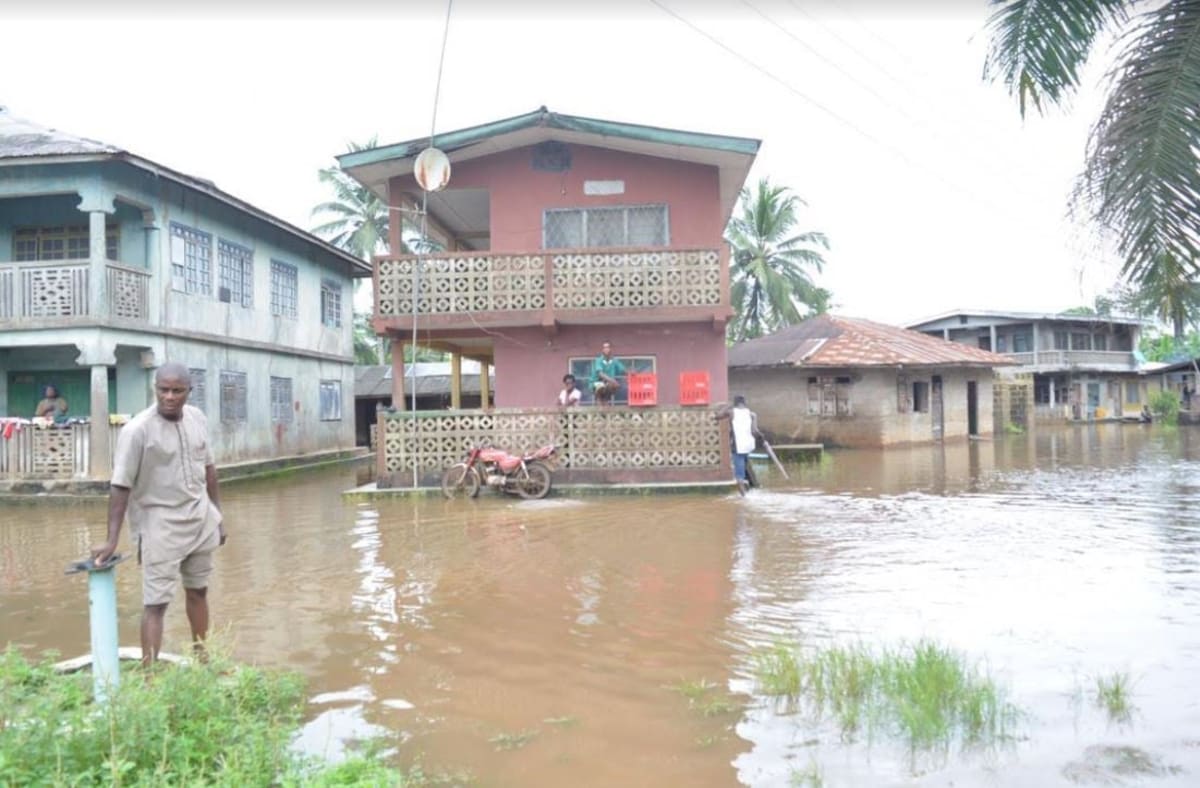
What Happened
On Monday, the Oyo State Government formally alerted residents to an increased risk of flash floods across the state, citing a forecast from NiMet that predicts severe weather conditions in June 2026. The announcement, delivered by Environment Commissioner Ademola Aderinto, marks a proactive step to prevent loss of life and property as meteorological data points to a high probability of flooding in both urban and rural areas.
Why Public Health Officials Are Concerned
Flash floods pose a multifaceted threat to public health. Beyond immediate physical dangers such as drowning and injuries, floodwaters often contaminate drinking water sources, increasing the risk of cholera, typhoid, and diarrheal diseases. Stagnant water also becomes a breeding ground for mosquitoes, heightening the transmission of malaria and dengue fever. Additionally, flooding disrupts healthcare access, displaces communities, and damages sanitation infrastructure, creating conditions ripe for disease outbreaks.
Who May Be Affected
While all residents of Oyo State face some level of risk, certain groups are particularly vulnerable. Low income communities in flood prone areas, such as riverine regions and informal settlements, often lack the resources to evacuate or reinforce their homes. Children, the elderly, and individuals with chronic illnesses are at higher risk of health complications during and after floods. Farmers and agricultural workers may also experience crop losses, threatening food security and livelihoods.
Government Response
The Oyo State Government has not yet detailed specific intervention measures but has framed the alert as a call to action for local authorities and residents. Typically, such warnings are followed by public awareness campaigns, evacuation planning, and the reinforcement of drainage systems. The state may also collaborate with federal agencies like the National Emergency Management Agency (NEMA) to coordinate disaster response efforts.
Prevention and Safety Guidance
Residents can take several steps to reduce risks:
- Stay informed: Monitor updates from NiMet, the Oyo State Government, and local emergency services.
- Prepare an emergency kit: Include clean water, non perishable food, medications, flashlights, and first aid supplies.
- Secure property: Clear gutters and drains, elevate electrical appliances, and move valuables to higher ground.
- Avoid floodwaters: Do not walk or drive through moving water, as just six inches can knock a person down and 12 inches can sweep away a vehicle.
- Practice hygiene: Boil or treat drinking water if contamination is suspected, and wash hands frequently to prevent disease.
What Readers Should Know
This alert is not merely a weather advisory but a critical public health warning. Flash floods can escalate rapidly, leaving little time for reaction. Residents should treat the forecast as an urgent call to prepare, particularly those in historically flood prone zones. Early action can save lives, protect property, and reduce the strain on emergency services when disaster strikes.
Key Takeaways
- Oyo State has issued a flash flood alert for June 2026 based on NiMet’s High Impact Based Forecast.
- Flooding poses serious health risks, including waterborne diseases, mosquito borne illnesses, and disrupted healthcare access.
- Vulnerable groups include low income communities, children, the elderly, and individuals with chronic conditions.
- Residents should prepare emergency kits, secure property, and avoid floodwaters to minimize risks.
- Public health officials urge early preparedness to prevent loss of life and reduce the impact on communities.
Frequently Asked Questions
What causes flash floods in Oyo State?
Flash floods in Oyo State are typically triggered by intense rainfall, poor drainage systems, and urbanization that reduces natural water absorption. The state’s geography, including riverine areas, also contributes to rapid water accumulation.
How can I check if my area is at high risk for flooding?
Residents can consult flood risk maps provided by the Oyo State Government or NiMet. Local government offices and community leaders may also have information on historically flood prone zones.
What should I do if a flood warning is issued for my area?
Evacuate to higher ground if instructed by authorities. If time permits, secure your home, turn off utilities, and move essential items to an upper floor. Avoid walking or driving through floodwaters.
How can I protect my health during and after a flood?
Avoid contact with floodwater, which may be contaminated. Boil or treat drinking water, wash hands frequently, and seek medical attention if you develop symptoms like diarrhea, fever, or skin infections.
Medical Review: MedSense Editorial Board



















DISCUSSION (0)
POST A COMMENT