
Nigeria’s Oyo State is taking a decisive step toward climate resilience with the upcoming inauguration of its first dedicated Climate Council. Governor Seyi Makinde will formally launch the body next week, marking a critical milestone in the state’s efforts to address environmental degradation, extreme weather patterns, and the growing public health threats linked to climate change. The move aligns with broader national and global strategies to mitigate climate risks while safeguarding vulnerable communities from heat stress, air pollution, and waterborne diseases exacerbated by shifting weather conditions. The new council will oversee the implementation and periodic review of Oyo State’s Climate Action Plan, a framework designed to integrate sustainability into urban planning, agriculture, and public health policies. With Nigeria ranking among the countries most affected by climate change, local initiatives like this could serve as a model for subnational climate governance in West Africa. Public health experts warn that without proactive measures, rising temperatures and erratic rainfall could worsen malnutrition, respiratory illnesses, and vector borne diseases in the region.
What Happened
Oyo State Governor Seyi Makinde will inaugurate the Oyo State Climate Council next week, a specialized body tasked with advancing the state’s environmental sustainability goals. The council’s formation follows the development of Oyo’s Climate Action Plan, a strategic document aimed at reducing carbon emissions, enhancing green infrastructure, and preparing communities for climate related disasters. Officials say the council will play a central role in monitoring progress, allocating resources, and engaging stakeholders across sectors.
Why Public Health Officials Are Concerned
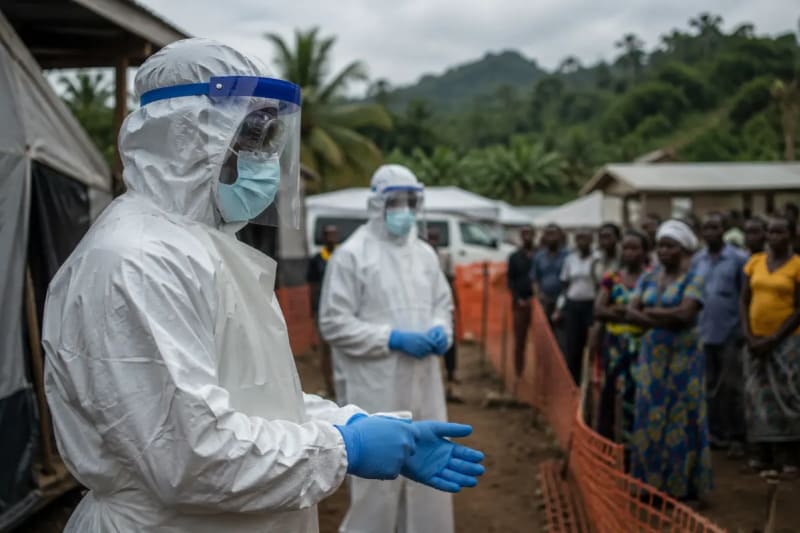
Climate change is no longer a distant threat for Nigeria but a present day crisis with direct consequences for public health. The World Health Organization estimates that between 2030 and 2050, climate change will cause approximately 250,000 additional deaths annually from malnutrition, malaria, diarrhea, and heat stress alone. In Oyo State, rising temperatures and unpredictable rainfall patterns are already disrupting food security, increasing the risk of water contamination, and expanding the habitats of disease carrying mosquitoes. Urban areas face additional challenges, including heat islands and air pollution from unregulated industrial activity and vehicle emissions.
Public health researchers emphasize that climate adaptation must go beyond environmental policy. Dr. Chukwuma Anyaike, Director of Public Health at Nigeria’s Federal Ministry of Health, previously noted that climate resilience requires integrating health surveillance systems, early warning mechanisms, and community education into broader environmental strategies. The Oyo State Climate Council could set a precedent for how subnational governments address these interconnected risks.
Who May Be Affected
The impacts of climate change in Oyo State will not be evenly distributed. Rural farming communities, which rely heavily on rain fed agriculture, are particularly vulnerable to droughts and flooding. Smallholder farmers, who produce a significant portion of Nigeria’s food supply, face crop failures and economic instability as weather patterns become more erratic. In urban centers like Ibadan, low income neighborhoods with limited green spaces and poor waste management systems are at higher risk of heat related illnesses and waterborne diseases.
Children, the elderly, and individuals with pre existing health conditions are biologically more susceptible to climate related health risks. For example, extreme heat can exacerbate cardiovascular and respiratory diseases, while flooding increases the likelihood of cholera and other diarrheal illnesses. Women, who often bear the burden of water collection and household energy management, may face heightened exposure to indoor air pollution from biomass fuels used for cooking.
Government and Stakeholder Response
The Oyo State Climate Council will operate under the governor’s office and include representatives from environmental agencies, health departments, agriculture, urban planning, and civil society organizations. Its mandate includes reviewing and updating the state’s Climate Action Plan, securing funding for adaptation projects, and coordinating with federal agencies such as the National Council on Climate Change. The council will also collaborate with academic institutions and international partners to leverage technical expertise and data driven solutions.
At the national level, Nigeria has committed to reducing greenhouse gas emissions by 20% unconditionally and 47% with international support by 2030 under its Nationally Determined Contributions to the Paris Agreement. However, experts argue that progress has been slow due to funding constraints, policy fragmentation, and limited public awareness. Local initiatives like Oyo’s Climate Council could help bridge this gap by demonstrating scalable, community focused approaches to climate adaptation.
Prevention and Safety Guidance
While government action is critical, individuals and communities can take steps to reduce their vulnerability to climate related health risks. Public health officials recommend the following measures:
- Heat Preparedness: Stay hydrated, avoid outdoor activities during peak heat hours, and use cooling centers in extreme temperatures. Communities should identify and support vulnerable populations, such as the elderly and homeless, during heatwaves.
- Water Safety: Boil or treat drinking water during flooding events to prevent waterborne diseases. Households should store emergency water supplies and avoid contact with floodwaters, which may be contaminated with sewage or chemicals.
- Vector Control: Eliminate standing water around homes to reduce mosquito breeding sites. Use insecticide treated bed nets and wear protective clothing to prevent malaria and dengue fever, which are expected to increase with rising temperatures.
- Air Quality: Reduce exposure to indoor and outdoor air pollution by avoiding open burning of waste, using clean cooking technologies, and planting trees to improve urban air quality. Individuals with respiratory conditions should monitor air quality alerts and limit outdoor exercise on high pollution days.
- Community Resilience: Participate in local climate adaptation programs, such as tree planting initiatives, flood preparedness drills, and sustainable farming workshops. Advocate for policies that prioritize green spaces, renewable energy, and climate education in schools.
What Readers Should Know
The inauguration of Oyo State’s Climate Council is more than a political event; it represents a proactive effort to address the environmental and health challenges posed by climate change. For residents, the council’s success will depend on transparent governance, inclusive stakeholder engagement, and measurable outcomes. While the state’s Climate Action Plan provides a roadmap, its implementation will require sustained political will, adequate funding, and public participation.
For Nigeria as a whole, Oyo’s initiative could serve as a test case for how subnational governments can drive climate action in the absence of strong federal leadership. The lessons learned here may inform similar efforts in other states, particularly in regions facing comparable environmental and public health threats. As climate change continues to reshape the country’s health landscape, initiatives like this will be essential in building resilience and protecting future generations.
Key Takeaways
- Oyo State is launching a Climate Council to oversee the implementation of its Climate Action Plan and address environmental and public health risks linked to climate change.
- Climate change is already affecting Nigeria, with rising temperatures, erratic rainfall, and extreme weather events increasing the burden of malnutrition, respiratory illnesses, and infectious diseases.
- Vulnerable groups, including rural farmers, urban poor, children, and the elderly, face the highest risks from climate related health threats and require targeted interventions.
- The Climate Council will collaborate with government agencies, civil society, and international partners to secure funding, leverage expertise, and monitor progress on climate adaptation.
- Individuals and communities can reduce their vulnerability by adopting heat preparedness strategies, ensuring water safety, controlling disease vectors, and improving air quality.
Frequently Asked Questions
What is the Oyo State Climate Council?
The Oyo State Climate Council is a newly formed body tasked with implementing and reviewing the state’s Climate Action Plan. It will coordinate climate governance efforts across sectors, including public health, agriculture, and urban planning, to enhance environmental sustainability and resilience.
Why is climate change a public health issue in Nigeria?
Climate change exacerbates health risks by increasing the frequency of extreme weather events, such as heatwaves and flooding, which can lead to heat stress, waterborne diseases, and malnutrition. Rising temperatures also expand the range of disease carrying vectors like mosquitoes, increasing the incidence of malaria and dengue fever.
Who is most at risk from climate related health threats in Oyo State?
Rural farming communities, urban poor populations, children, the elderly, and individuals with pre existing health conditions are particularly vulnerable. These groups face higher exposure to heat, water contamination, and vector borne diseases due to socioeconomic and biological factors.
What can individuals do to protect themselves from climate related health risks?
Individuals can take steps such as staying hydrated during heatwaves, treating drinking water during floods, eliminating mosquito breeding sites, reducing exposure to air pollution, and participating in community resilience programs. Public health officials also recommend advocating for policies that prioritize climate adaptation.
How does Oyo State’s Climate Council fit into Nigeria’s broader climate goals?
Nigeria has committed to reducing greenhouse gas emissions under the Paris Agreement, but progress has been slow. Local initiatives like Oyo’s Climate Council can help accelerate climate action by demonstrating scalable, community focused solutions. The council’s work may also inform similar efforts in other states facing comparable environmental and health challenges.
Medical Review: MedSense Editorial Board













DISCUSSION (0)
POST A COMMENT