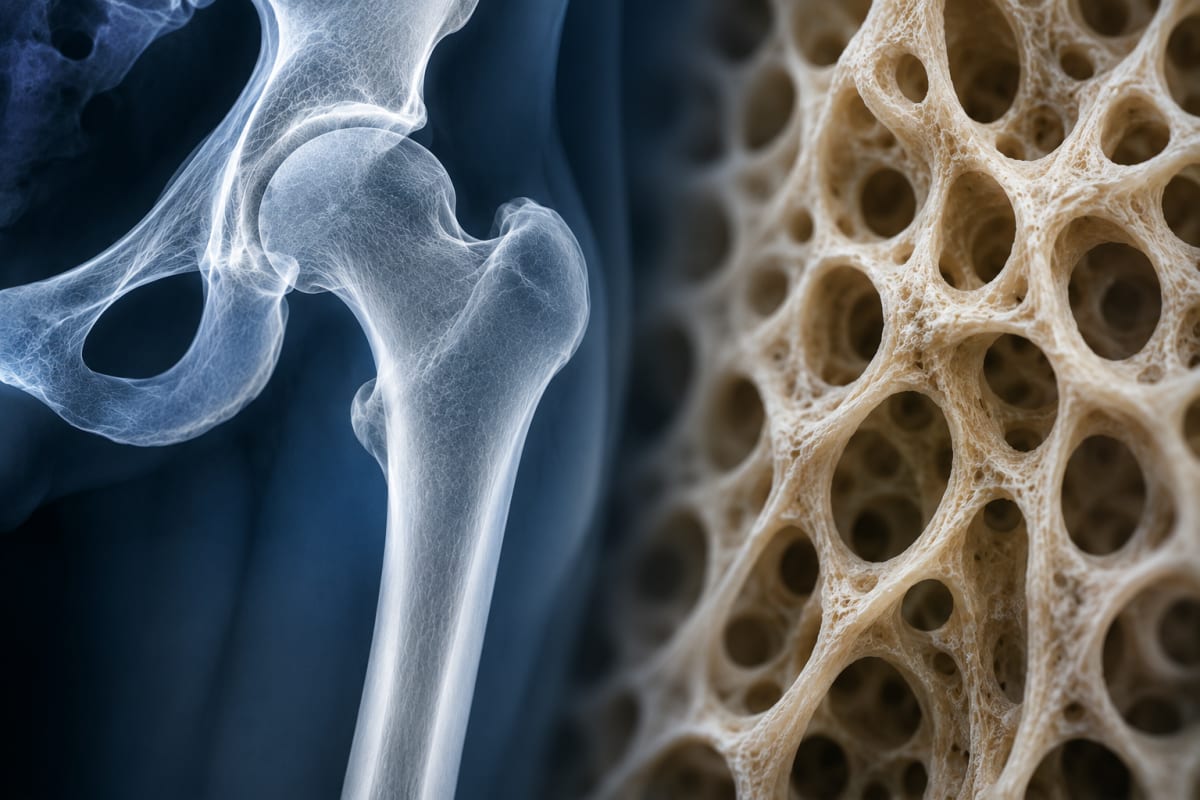
Millions of adults worldwide are losing bone strength without realizing it. Osteopenia, a precursor to osteoporosis, quietly reduces bone density long before symptoms appear. Unlike its more severe counterpart, this condition often goes undetected until a fracture occurs or a routine scan reveals the damage. With aging populations and sedentary lifestyles on the rise, public health experts warn that osteopenia is becoming an increasingly common yet preventable threat to long term mobility and independence. The good news is that simple lifestyle changes can slow bone loss and, in some cases, even restore density before irreversible damage sets in.
What Happened
Osteopenia is a medical condition characterized by lower than normal bone mineral density, though not severe enough to be classified as osteoporosis. It serves as an early warning sign that bones are weakening and becoming more susceptible to fractures. The condition develops gradually over years, often without any noticeable symptoms, which is why many people remain unaware of their risk until a bone density test or an unexpected fracture reveals the problem.
Why Public Health Officials Are Concerned
Bone health experts emphasize that osteopenia is not just a precursor to osteoporosis but a significant public health issue in its own right. The condition increases fracture risk, particularly in the hip, spine, and wrist, which can lead to long term disability, reduced quality of life, and even higher mortality rates in older adults. With global life expectancy rising, the number of people affected by osteopenia is expected to grow, placing additional strain on healthcare systems already burdened by osteoporosis related complications.
Symptoms or Risk Factors
Osteopenia itself does not cause symptoms, which is why it is often called a silent condition. However, certain risk factors increase the likelihood of developing it:
- Aging, particularly after age 50
- Early menopause or hormonal imbalances
- Family history of osteoporosis or low bone density
- Low body weight or small frame
- Inadequate calcium or vitamin D intake
- Sedentary lifestyle or prolonged immobility
- Smoking or excessive alcohol consumption
- Long term use of certain medications, such as corticosteroids
Who May Be Affected
While osteopenia can affect anyone, certain groups are at higher risk. Postmenopausal women are particularly vulnerable due to the rapid decline in estrogen, a hormone that plays a crucial role in maintaining bone density. Men over 50 and individuals with chronic conditions such as rheumatoid arthritis, celiac disease, or hyperthyroidism are also at increased risk. Additionally, people who have undergone bariatric surgery or have a history of eating disorders may experience accelerated bone loss due to nutritional deficiencies.
Prevention and Safety Guidance
The most effective way to combat osteopenia is through early intervention. Public health guidelines recommend the following strategies to maintain or improve bone density:
- Nutrition: Ensure adequate intake of calcium and vitamin D through diet or supplements. Dairy products, leafy greens, fortified foods, and fatty fish are excellent sources. For those who struggle to meet their nutritional needs through diet alone, supplements may be recommended under medical supervision.
- Exercise: Weight bearing and resistance exercises, such as walking, jogging, dancing, and strength training, stimulate bone formation and slow mineral loss. Aim for at least 30 minutes of physical activity most days of the week.
- Lifestyle Modifications: Avoid smoking and limit alcohol consumption, as both can accelerate bone loss. Maintaining a healthy body weight is also important, as being underweight increases fracture risk.
- Bone Density Testing: Adults at higher risk, particularly postmenopausal women and older men, should discuss bone density screening with their healthcare provider. Early detection allows for timely intervention before the condition progresses to osteoporosis.
What Readers Should Know
Osteopenia is not an inevitable part of aging. While genetics and hormonal changes play a role, lifestyle choices have a profound impact on bone health. Regular physical activity, a balanced diet rich in bone supporting nutrients, and avoiding harmful habits like smoking can significantly reduce the risk of developing the condition. For those already diagnosed, these measures can help slow or even reverse bone loss, preserving mobility and independence well into later life. If you fall into a high risk category, consult your healthcare provider about a bone density test and personalized prevention plan.
Key Takeaways
- Osteopenia is a silent condition that weakens bones before osteoporosis develops, often going undetected until a fracture occurs.
- Postmenopausal women, older adults, and individuals with certain medical conditions or lifestyle factors are at higher risk.
- Early intervention through nutrition, exercise, and lifestyle changes can slow or even partially reverse bone loss.
- Bone density testing is recommended for those at higher risk to enable timely prevention and treatment.
Frequently Asked Questions
How is osteopenia different from osteoporosis?
Osteopenia refers to lower than normal bone density that is not severe enough to be classified as osteoporosis. While both conditions increase fracture risk, osteoporosis represents a more advanced stage of bone loss. Osteopenia can often be managed with lifestyle changes, whereas osteoporosis may require medication.
Can osteopenia be reversed?
In some cases, yes. Lifestyle modifications such as increased calcium and vitamin D intake, weight bearing exercise, and avoiding smoking can help improve bone density and slow or even partially reverse osteopenia. However, the extent of improvement depends on individual factors, including age, overall health, and adherence to preventive measures.
At what age should I get a bone density test?
The recommended age for bone density testing varies based on risk factors. Postmenopausal women and men over 50 with risk factors should discuss screening with their healthcare provider. For those without additional risk factors, screening may begin at age 65 for women and 70 for men. Earlier testing may be advised for individuals with conditions or medications that affect bone health.
What foods are best for preventing osteopenia?
Foods rich in calcium and vitamin D are essential for bone health. Dairy products like milk, cheese, and yogurt are excellent sources of calcium, as are leafy greens such as kale and spinach. Fatty fish like salmon and mackerel provide vitamin D, while fortified foods like cereals and plant based milks can also help meet nutritional needs.
Medical Review: MedSense Editorial Board





















DISCUSSION (0)
POST A COMMENT