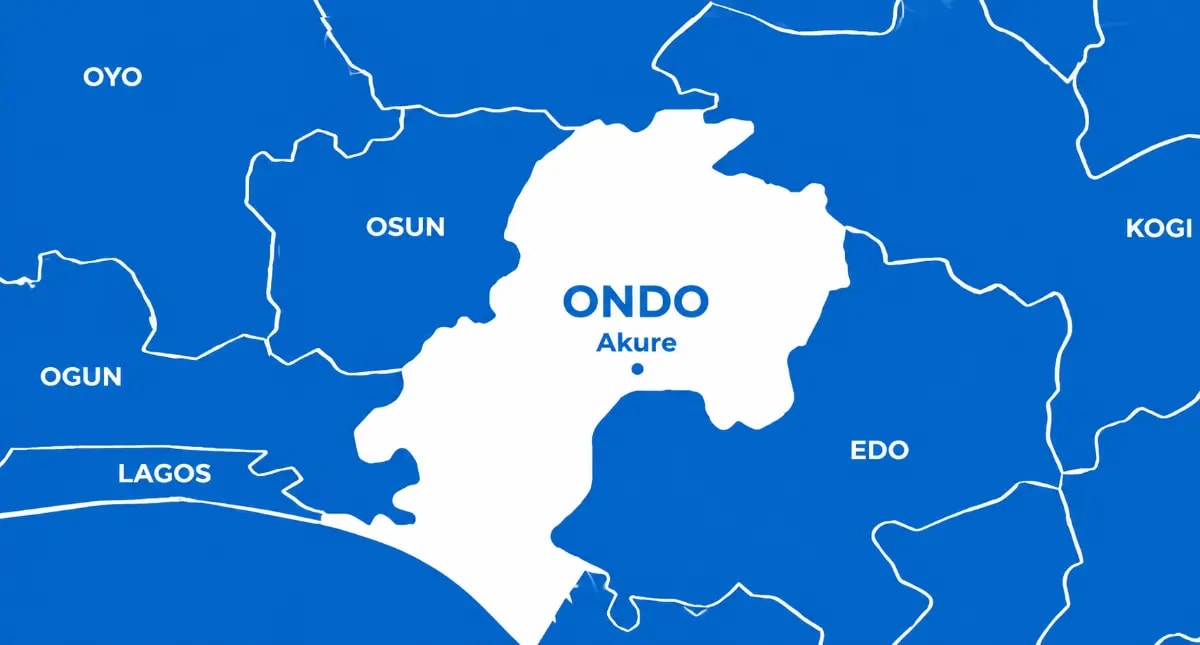
Ondo State has allocated N49 million (approximately $32,000) to cover medical expenses for 43 residents facing serious health challenges. Governor Lucky Aiyedatiwa, represented by Health Commissioner Dr Banji Ajaka, presented cheques to beneficiaries in Akure. This follows a similar intervention in 2025, when 33 residents received financial support for healthcare costs. The initiative aims to reduce the financial burden of medical treatment for vulnerable populations in the state.
Latest Developments
Ondo State Governor Lucky Aiyedatiwa has released N49 million to settle outstanding medical bills for 43 residents battling serious health conditions. The funds were disbursed through cheques presented to beneficiaries in Akure on Friday, with the governor represented by Health Commissioner Dr Banji Ajaka.
The initiative builds on a previous effort in 2025, when 33 residents received similar financial assistance. While details of the specific conditions covered remain undisclosed, the program targets individuals whose medical expenses pose significant financial strain.
Why This Matters
Medical debt remains a critical barrier to healthcare access in Nigeria, where out of pocket spending accounts for over 70% of health expenditures, according to the World Health Organization. For many low income families, even routine treatments can lead to catastrophic financial consequences. Ondo State's intervention directly addresses this gap by alleviating the burden for some of the most vulnerable residents.
The program also reflects a growing trend among Nigerian states to implement social safety nets for healthcare. While federal health insurance schemes exist, coverage remains limited, leaving many Nigerians reliant on state level initiatives or personal savings to fund medical care. By stepping in to cover these costs, the government reduces the risk of patients delaying or forgoing treatment due to financial constraints.
Public Health Impact
Financial support programs like Ondo State's can have measurable effects on public health outcomes. Studies published in The Lancet and BMJ Global Health show that reducing out of pocket medical expenses leads to higher treatment adherence, earlier disease detection, and improved management of chronic conditions. For patients with life threatening illnesses, timely intervention can mean the difference between recovery and prolonged suffering.
However, experts caution that such programs, while beneficial, are not a substitute for systemic healthcare reform. Dr Ifeanyi Nsofor, a public health physician and CEO of EpiAFRIC, notes that while direct financial assistance provides immediate relief, long term solutions require expanding health insurance coverage and strengthening primary healthcare infrastructure. "These interventions are commendable, but they should be part of a broader strategy to achieve universal health coverage," he said.
What's Next
The state government has not announced whether this initiative will become a recurring program or remain a one time intervention. However, the success of the 2025 effort suggests potential for expansion. Health advocates are calling for transparency in beneficiary selection criteria and the establishment of a formal framework to ensure equitable access.
For now, the 43 recipients join a growing number of Nigerians who have received state sponsored medical relief. As healthcare costs continue to rise, such programs may become increasingly vital in bridging the gap between medical need and financial reality.
Key Takeaways
- Ondo State has allocated N49 million ($32,000) to cover medical debts for 43 residents with serious health conditions.
- The initiative follows a similar program in 2025 that supported 33 residents, highlighting a growing trend of state level healthcare interventions in Nigeria.
- While financial assistance provides immediate relief, experts emphasize the need for systemic reforms to achieve sustainable universal health coverage.
Frequently Asked Questions
Who qualifies for Ondo State's medical debt relief program?
The specific eligibility criteria have not been publicly disclosed. However, the program targets residents with serious health conditions facing significant financial strain due to medical expenses.
How does this program compare to Nigeria's national health insurance?
Nigeria's National Health Insurance Scheme (NHIS) has limited coverage, leaving many citizens to pay out of pocket. Ondo State's program provides direct financial relief but does not replace the need for expanded insurance coverage.
Will this initiative continue in the future?
The state government has not confirmed whether the program will be recurring. However, the 2025 intervention suggests potential for ongoing support.
Published by O. Ayodeji | Review by MedSense Editorial Board










DISCUSSION (0)
POST A COMMENT