
What Happened
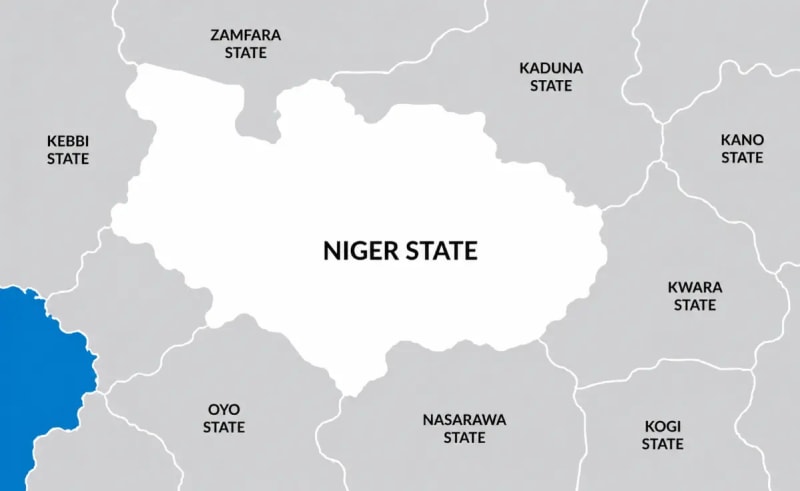
The number of internally displaced persons in Nigeria’s Northwest geopolitical zone has climbed to nearly 800,000, marking a 22% increase over the past six months. Data from the United Nations High Commissioner for Refugees shows an additional 143,189 individuals were displaced between January and June 2024, primarily due to intensified armed violence, banditry, and intercommunal clashes. The region, which includes states like Zamfara, Katsina, and Kaduna, has become a hotspot for displacement, with many families seeking refuge in overcrowded camps or informal settlements.
Why Public Health Officials Are Concerned
The rapid rise in displacement poses severe public health risks. Overcrowded camps and inadequate sanitation facilities create ideal conditions for the spread of infectious diseases, including cholera, measles, and respiratory infections. Malnutrition rates are also expected to rise, particularly among children and pregnant women, as food insecurity worsens. The disruption of healthcare services means many displaced individuals lack access to routine immunizations, maternal care, and treatment for chronic conditions like HIV and tuberculosis.
Humanitarian agencies have raised alarms about the psychological toll of displacement. Prolonged exposure to violence and uncertainty is linked to rising rates of anxiety, depression, and post traumatic stress disorder among affected populations. The lack of mental health services in displacement settings further exacerbates the crisis.
Who May Be Affected
The crisis disproportionately impacts women, children, and the elderly. Children under five are particularly vulnerable to malnutrition and preventable diseases, while women face heightened risks of gender based violence and limited access to reproductive health services. The elderly and individuals with disabilities often struggle to access aid due to mobility challenges and lack of targeted support.
Host communities, already grappling with limited resources, are also feeling the strain. The influx of displaced persons has increased competition for food, water, and healthcare, leading to tensions and potential social unrest. Local healthcare facilities, many of which were under resourced before the crisis, are now overwhelmed by the additional demand.
Government and Humanitarian Response
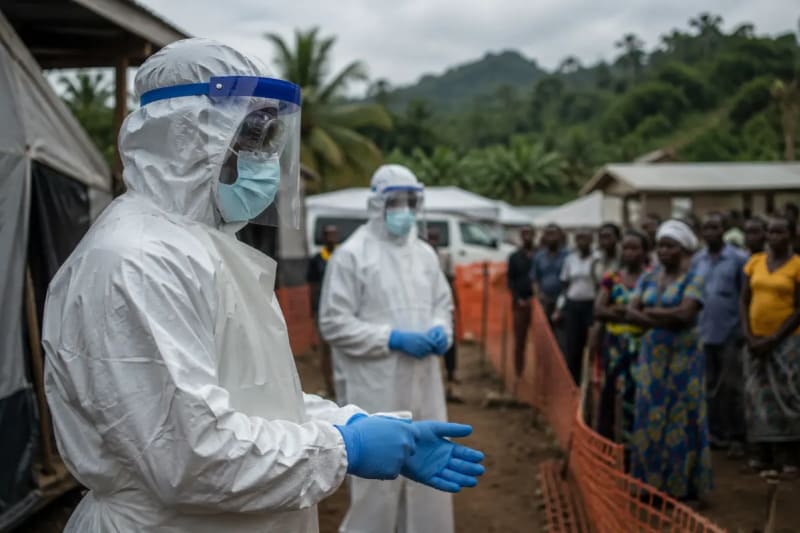
The Nigerian government, in collaboration with international organizations like the UNHCR, the World Health Organization, and non governmental organizations, has scaled up relief efforts. Emergency food distributions, mobile health clinics, and water sanitation programs have been deployed to address immediate needs. However, humanitarian agencies report significant funding gaps, with many programs operating at reduced capacity.
The UNHCR has called for increased international support to bolster Nigeria’s response. In a recent statement, the agency emphasized the need for sustained funding to provide shelter, healthcare, and protection services to displaced populations. The Nigerian government has also urged state and local authorities to prioritize the integration of displaced persons into host communities, including access to education and livelihood opportunities.
Prevention and Safety Guidance
For displaced individuals and host communities, public health experts recommend the following measures to mitigate risks:
- Disease Prevention: Ensure access to clean water and sanitation facilities to reduce the spread of waterborne diseases. Promote handwashing and hygiene practices in camps and settlements.
- Nutrition: Prioritize the distribution of nutrient rich food, particularly for children under five and pregnant women. Community based nutrition programs can help identify and treat cases of acute malnutrition.
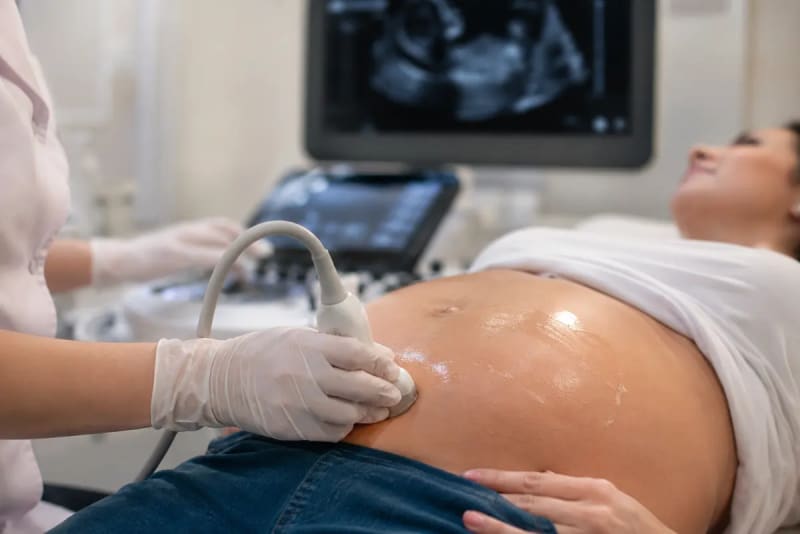
- Healthcare Access: Strengthen mobile health clinics to provide routine immunizations, maternal care, and treatment for chronic illnesses. Mental health support should be integrated into primary care services.
- Protection: Implement safeguards to protect women and children from gender based violence. Establish safe spaces and reporting mechanisms for survivors.
- Community Engagement: Involve displaced populations in decision making processes to ensure aid efforts are responsive to their needs. Local leaders and volunteers can play a key role in disseminating health information.
What Readers Should Know
The humanitarian crisis in Northwest Nigeria is not just a matter of displacement but a complex emergency with far reaching public health implications. The situation demands a coordinated response that addresses both immediate needs and long term resilience. For those looking to support, donations to reputable humanitarian organizations can help bridge funding gaps and provide life saving assistance.
For Nigerians in affected regions, staying informed about local health alerts and adhering to safety guidelines can reduce risks. Community solidarity and support for displaced neighbors can also help mitigate the social and economic impacts of the crisis. The road to recovery will be long, but collective action can make a difference in safeguarding lives and restoring dignity.
Key Takeaways
- The number of internally displaced persons in Northwest Nigeria has surged by 22% in six months, reaching nearly 800,000 due to escalating violence and insecurity.
- Overcrowded camps and disrupted healthcare services are increasing risks of disease outbreaks, malnutrition, and mental health crises among displaced populations.
- Women, children, and the elderly are disproportionately affected, facing heightened vulnerabilities to health risks and protection concerns.
- Humanitarian agencies are scaling up relief efforts but face significant funding gaps, limiting their ability to meet growing needs.
- Preventive measures, including improved sanitation, nutrition programs, and healthcare access, are critical to mitigating public health risks in displacement settings.
Frequently Asked Questions
What is causing the rise in displacement in Northwest Nigeria?
The surge in displacement is primarily driven by escalating armed violence, banditry, and intercommunal clashes in the region. These conflicts have forced families to flee their homes in search of safety, leading to a rapid increase in the number of internally displaced persons.
What are the biggest health risks for displaced populations in the region?
Displaced populations face multiple health risks, including outbreaks of infectious diseases like cholera and measles due to overcrowding and poor sanitation. Malnutrition, particularly among children and pregnant women, is also a major concern. Additionally, the lack of access to healthcare services exacerbates chronic conditions and mental health issues.
How can individuals support humanitarian efforts in Northwest Nigeria?
Individuals can support by donating to reputable humanitarian organizations working in the region, such as the UNHCR, WHO, or local NGOs. These organizations provide essential services like food, healthcare, and protection to displaced populations. Advocating for increased international funding and awareness can also help address the crisis.
What measures are being taken to address the crisis?
The Nigerian government and international organizations are scaling up relief efforts, including emergency food distributions, mobile health clinics, and water sanitation programs. However, funding gaps remain a significant challenge. Efforts are also underway to integrate displaced persons into host communities and provide long term support.
How can displaced individuals protect their health in camps or informal settlements?
Displaced individuals can reduce health risks by practicing good hygiene, such as regular handwashing, and ensuring access to clean water. Seeking medical care for routine immunizations and chronic conditions is also important. Community engagement and adherence to public health guidelines can help mitigate the spread of diseases in overcrowded settings.
Medical Review: MedSense Editorial Board











DISCUSSION (0)
POST A COMMENT