
What Happened
At the 12th Annual National Conference of the Epidemiological Society of Nigeria, a coalition of public health experts, epidemiologists, researchers, policymakers, and development partners converged to address a pressing challenge: Nigeria’s disease surveillance systems are struggling to keep pace with evolving health threats. The conference, a key platform for shaping national health policy, became the stage for a unified demand: the country must prioritize and modernize its surveillance infrastructure to detect, track, and respond to outbreaks before they spiral out of control.
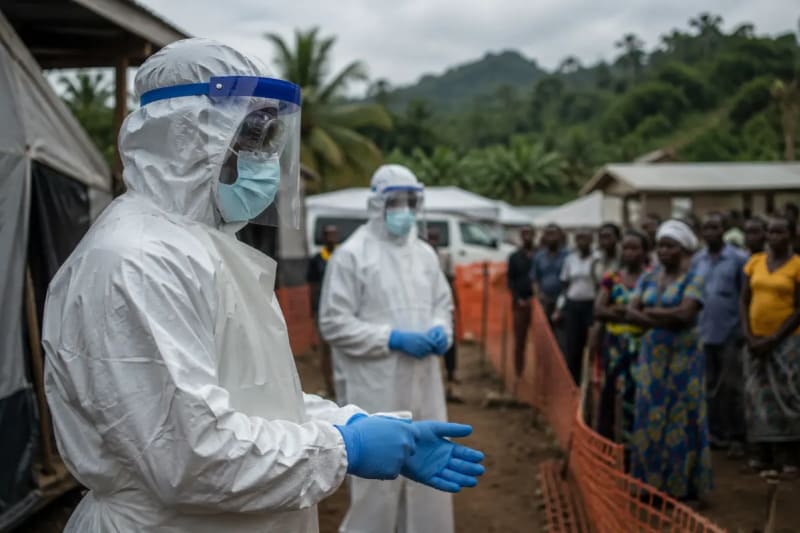
The call to action reflects growing frustration among health professionals who have witnessed firsthand how delayed or incomplete data can hamper outbreak responses. Nigeria, a country of over 200 million people, has faced repeated public health emergencies in recent years, including outbreaks of Lassa fever, meningitis, and cholera. Each event has underscored the same vulnerability: without real time data and robust surveillance, health authorities are often reacting to crises rather than preventing them.
Why Public Health Officials Are Concerned
Disease surveillance is the backbone of outbreak prevention. It involves the systematic collection, analysis, and interpretation of health data to guide public health action. When surveillance systems falter, the consequences can be severe. For example, delayed detection of an outbreak can lead to wider transmission, higher mortality rates, and greater economic disruption. In Nigeria, where healthcare resources are already stretched thin, the stakes are particularly high.
Experts at the conference highlighted several critical gaps in the current system. These include fragmented data collection methods, limited laboratory capacity, and a lack of integration between local, state, and federal health agencies. Additionally, surveillance efforts are often hampered by underreporting, especially in rural and hard to reach communities where healthcare access is limited. Without addressing these issues, Nigeria risks repeating the same cycle of late responses and avoidable suffering.
Who May Be Affected
The impact of weak disease surveillance extends far beyond health authorities. Communities across Nigeria, particularly in underserved regions, bear the brunt of delayed outbreak responses. For instance, during the 2022 cholera outbreak, which affected over 100,000 people, slow detection and reporting allowed the disease to spread unchecked in several states. Similarly, Lassa fever, which is endemic in Nigeria, continues to claim lives partly due to gaps in early warning systems.
Healthcare workers are also on the frontlines of this challenge. Without timely and accurate data, they are forced to make critical decisions with incomplete information, increasing the risk of misdiagnosis or delayed treatment. Policymakers, too, are affected, as they rely on surveillance data to allocate resources, design interventions, and measure the effectiveness of public health programs.
Government and Partner Response
The Nigerian government has acknowledged the need for stronger disease surveillance and has taken steps to address the issue. The Nigeria Centre for Disease Control and Prevention (NCDC) has been leading efforts to improve surveillance through initiatives like the Integrated Disease Surveillance and Response (IDSR) strategy. This framework aims to strengthen reporting systems, enhance laboratory networks, and build capacity at the local level.
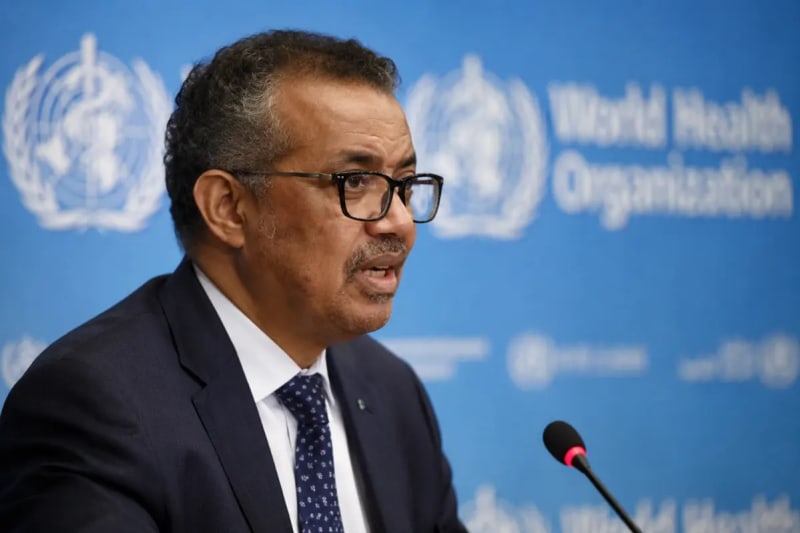
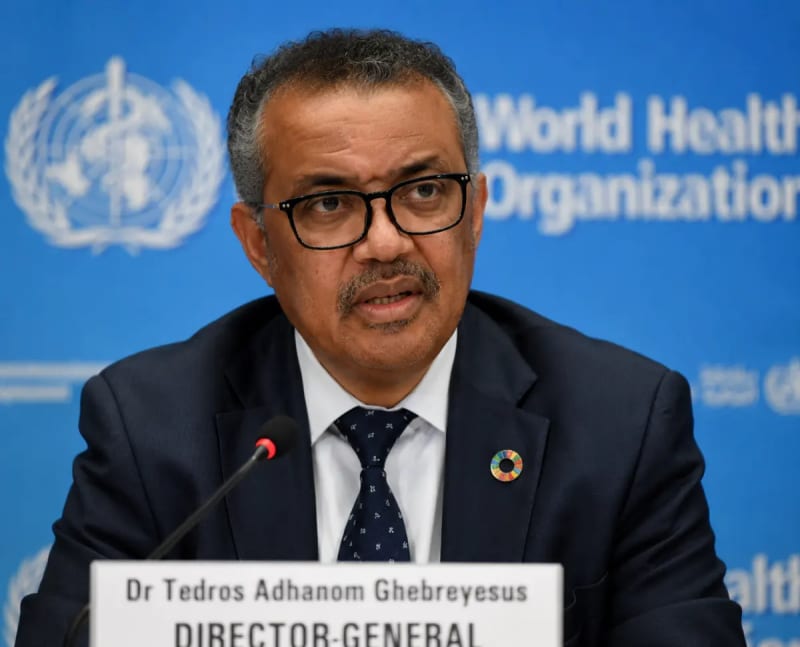
Development partners, including the World Health Organization (WHO) and the U.S. Centers for Disease Control and Prevention (CDC), have also been supporting Nigeria’s surveillance efforts. These organizations provide technical assistance, funding, and training to help build a more resilient public health infrastructure. However, experts at the conference emphasized that these efforts must be scaled up and sustained to achieve lasting impact.
Prevention and Safety Guidance
While strengthening surveillance systems is primarily the responsibility of health authorities, individuals and communities can also play a role in outbreak prevention. Here’s what readers can do:
- Stay Informed: Follow updates from trusted sources like the NCDC and WHO to stay aware of potential health threats in your area.
- Report Symptoms Early: If you or someone in your community experiences symptoms of an infectious disease, such as fever, vomiting, or unexplained bleeding, seek medical attention immediately and encourage others to do the same.
- Practice Good Hygiene: Simple measures like handwashing, safe food handling, and proper waste disposal can reduce the risk of disease transmission.
- Support Community Health Efforts: Engage with local health workers and community leaders to promote disease awareness and reporting.
What Readers Should Know
Nigeria’s push for stronger disease surveillance is not just about preventing outbreaks; it’s about safeguarding the health and well being of millions of people. A robust surveillance system can save lives by enabling faster responses, reducing transmission, and minimizing the economic and social disruption caused by health emergencies. However, achieving this goal will require sustained investment, political will, and collaboration between government agencies, development partners, and communities.
For now, the message from Nigeria’s public health leaders is clear: the time to act is now. Without urgent improvements, the country’s ability to detect and respond to the next health threat remains in jeopardy.
Key Takeaways
- Nigeria’s public health experts are calling for an overhaul of disease surveillance systems to better detect and respond to emerging health threats.
- Weak surveillance infrastructure has contributed to delayed responses during recent outbreaks, including Lassa fever and cholera, leading to preventable deaths and wider transmission.
- Strengthening surveillance requires addressing gaps in data collection, laboratory capacity, and coordination between health agencies at all levels.
- Individuals can contribute to outbreak prevention by staying informed, reporting symptoms early, practicing good hygiene, and supporting community health efforts.
- Sustained investment and collaboration between government, development partners, and communities are essential to building a resilient public health system in Nigeria.
Frequently Asked Questions
What is disease surveillance and why is it important?
Disease surveillance is the ongoing, systematic collection, analysis, and interpretation of health data to guide public health action. It is crucial because it enables early detection of outbreaks, allowing health authorities to respond quickly and prevent wider transmission. Effective surveillance also helps in tracking disease trends, evaluating public health programs, and allocating resources efficiently.
What are the biggest challenges facing Nigeria’s disease surveillance system?
Nigeria’s disease surveillance system faces several challenges, including fragmented data collection methods, limited laboratory capacity, underreporting of cases (especially in rural areas), and a lack of integration between local, state, and federal health agencies. These gaps can delay outbreak detection and response, increasing the risk of wider transmission and higher mortality rates.
How can individuals help improve disease surveillance in their communities?
Individuals can play a role by staying informed about potential health threats, reporting symptoms early to healthcare providers, practicing good hygiene to prevent disease transmission, and supporting local health workers in promoting disease awareness and reporting. Community engagement is key to ensuring that surveillance systems capture accurate and timely data.
What steps is the Nigerian government taking to strengthen disease surveillance?
The Nigerian government, through the Nigeria Centre for Disease Control and Prevention (NCDC), is implementing initiatives like the Integrated Disease Surveillance and Response (IDSR) strategy. This framework aims to improve reporting systems, enhance laboratory networks, and build capacity at the local level. Development partners, such as the WHO and CDC, are also providing technical and financial support to these efforts.
What are the potential consequences if Nigeria fails to improve its disease surveillance?
If Nigeria does not strengthen its disease surveillance systems, the country risks facing repeated public health emergencies with delayed responses, higher mortality rates, and greater economic and social disruption. Weak surveillance can also undermine public trust in health authorities and lead to misallocation of resources, further straining an already overburdened healthcare system.
Medical Review: MedSense Editorial Board











DISCUSSION (0)
POST A COMMENT