
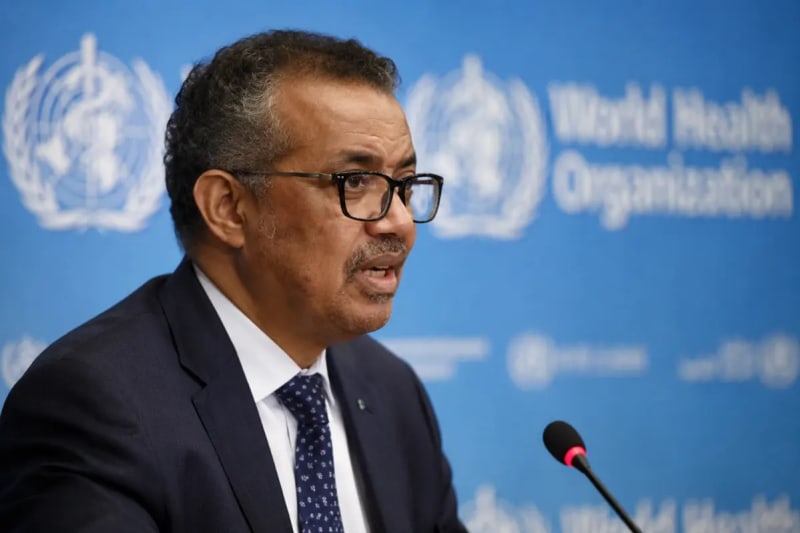
Nigeria is hemorrhaging doctors at an unprecedented rate, with over 5,000 medical practitioners leaving the country between 2016 and 2022 alone. This exodus has left hospitals understaffed, with some facilities operating at just 30% of their required workforce capacity. The World Health Organization ranks Nigeria among the top five countries globally for medical brain drain, trailing only India, Pakistan, the Philippines, and Egypt.
What Happened
Since 2015, Nigeria has seen a 200% surge in medical license verifications for foreign employment, according to the Medical and Dental Council of Nigeria. The United Kingdom remains the top destination, followed by the United States, Canada, and Saudi Arabia. The trend accelerated during the COVID-19 pandemic, with 1,400 doctors securing UK work visas in 2021 alone. This migration disproportionately affects rural areas, where 70% of Nigeria’s population resides but only 35% of doctors practice.
Why It Matters
The loss of healthcare workers directly correlates with a 40% increase in maternal mortality rates in states with the highest emigration rates. Nigeria’s doctor-to-patient ratio now stands at 1:4,000, far below the WHO’s recommended 1:1,000. The remaining workforce faces burnout, with 62% reporting weekly work hours exceeding 60. This crisis extends beyond doctors to include nurses, midwives, and laboratory technicians, creating a cascading effect on healthcare delivery.
Who Does It Affect
Pregnant women in rural communities face the most immediate impact, with antenatal care attendance dropping by 25% in areas where doctors have emigrated. Children under five in these regions experience a 15% higher under-five mortality rate compared to urban centers. The healthcare workforce crisis also burdens remaining professionals, with 89% reporting increased stress and 45% considering leaving within the next two years. Medical students, who often train in underfunded facilities, face diminished career prospects despite their qualifications.
What Should I Do
For patients, prioritize preventive care through local clinics and community health centers to reduce pressure on tertiary hospitals. Healthcare workers should explore government retention programs like the National Youth Service Corps (NYSC) medical placements, which offer two-year postings in underserved areas. Policymakers must enforce the 2021 Medical Residency Training Act, which mandates improved working conditions and salary increments for resident doctors. International collaborations should focus on ethical recruitment practices that do not poach from already strained systems.
What We Don't Know Yet
It remains unclear whether Nigeria’s new $1.2 billion health workforce retention fund, announced in 2023, will reverse the trend. The long-term impact of recent salary increases for doctors (from $200 to $1,200 monthly) on emigration rates is still being evaluated. Additionally, the effectiveness of digital health initiatives like telemedicine in compensating for workforce shortages has not been quantified. The role of private sector investment in healthcare infrastructure as a retention strategy requires further study.
Key Takeaways
- Nigeria loses 5,000+ doctors to emigration annually, straining rural healthcare systems
- Maternal mortality rates have risen 40% in regions with the highest doctor exodus
- Burnout affects 62% of remaining healthcare workers, with 45% considering leaving within two years
Frequently Asked Questions
Which countries are the top destinations for Nigerian doctors?
The United Kingdom, United States, Canada, and Saudi Arabia are the primary destinations, with the UK processing 1,400 Nigerian doctor visas in 2021 alone.
How does doctor migration affect rural healthcare?
Rural areas, home to 70% of Nigeria’s population, have only 35% of doctors, leading to a 25% drop in antenatal care attendance and 15% higher under-five mortality rates.
What policies has Nigeria implemented to address this crisis?
The 2021 Medical Residency Training Act mandates improved working conditions and salary increases, while a $1.2 billion retention fund was announced in 2023 to strengthen local healthcare systems.
Medical Review: MedSense Editorial Board






















DISCUSSION (0)
POST A COMMENT